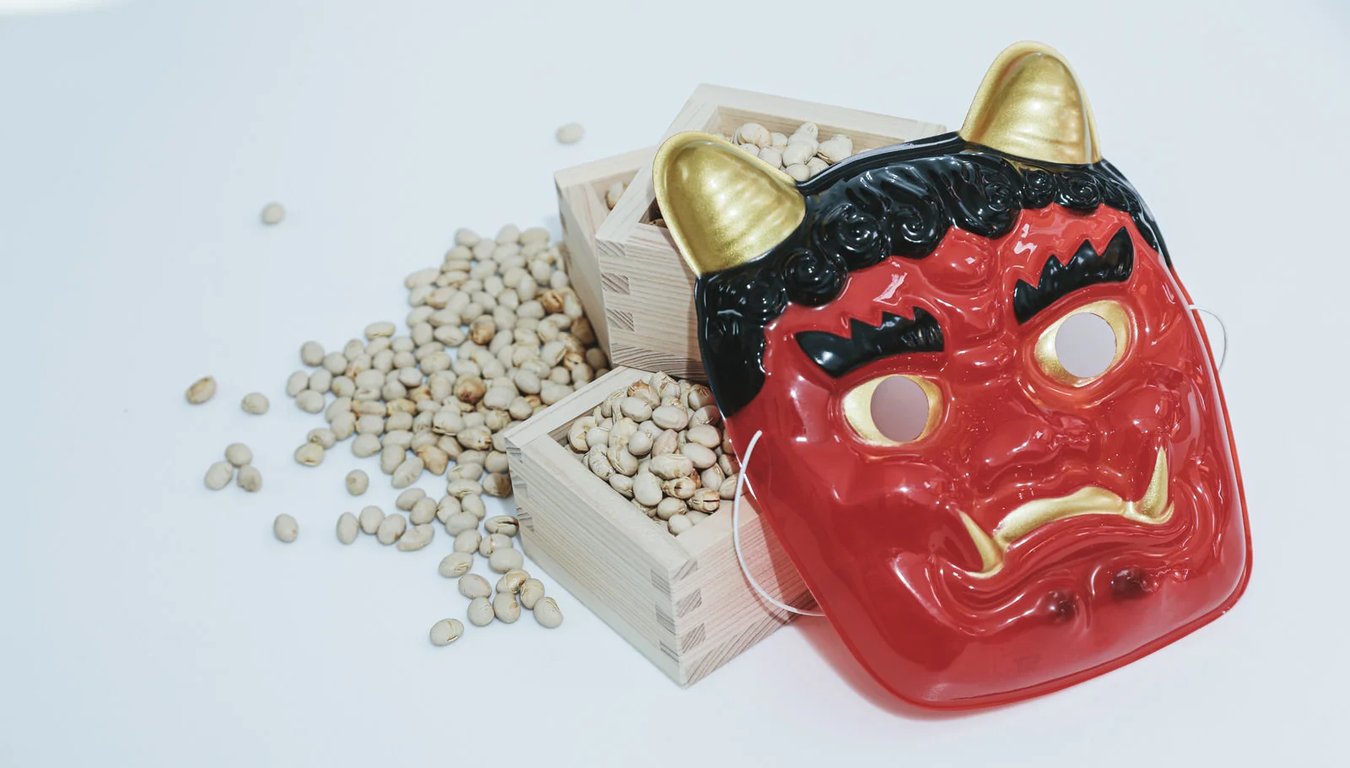


This time, we will talk in detail about Setsubun Festival, a major winter event in Japan.
In Japan, there are traditional festivals held at shrines and temples to drive away demons and pray for happiness in the new year. Many of these festivals are open to foreign tourists visiting Japan, and are a great opportunity to experience the Japanese spirit and vitality. We will explain their appeal and how to enjoy them.
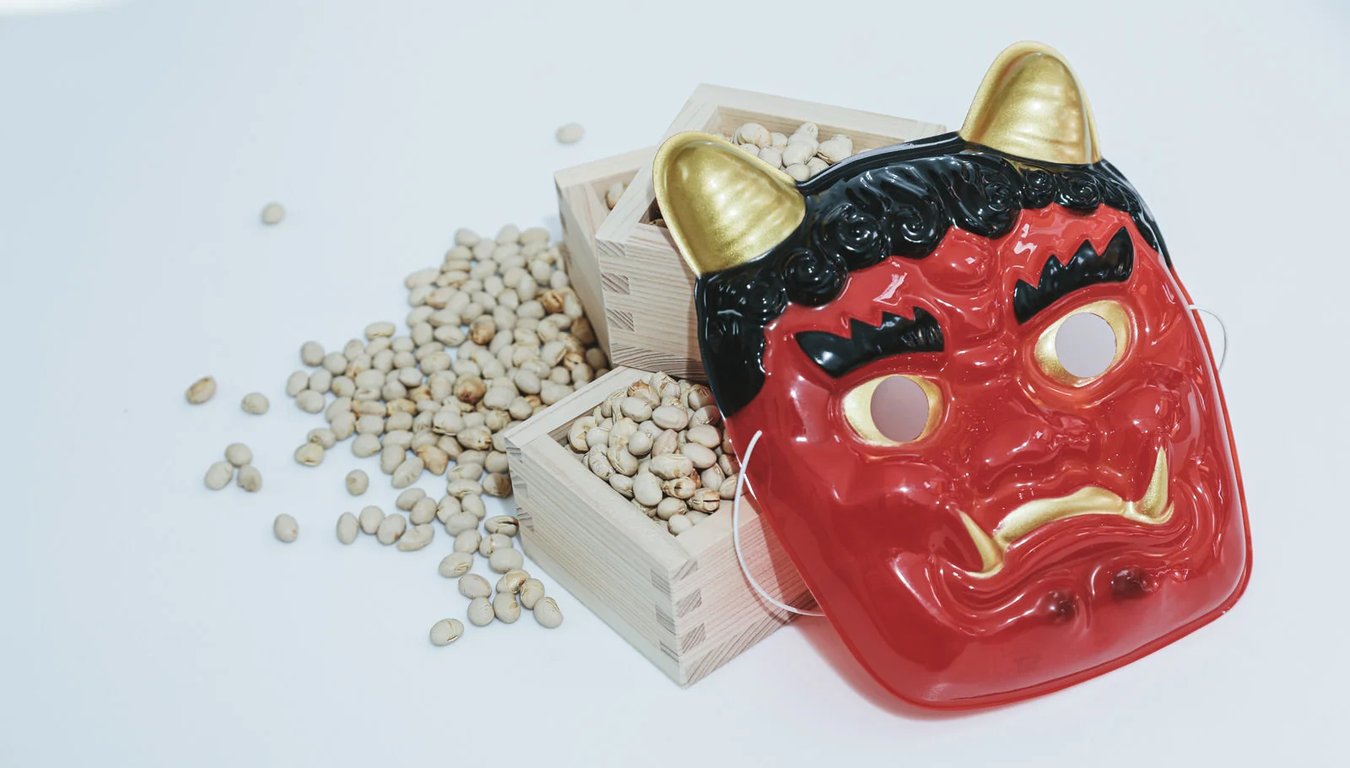
Setsubun Festival is a festival held the day before Risshun (the beginning of spring). Since ancient times, in Japan, it has been believed that the change of seasons makes it easier for invisible "evil spirits" (jaki), or bad energy, to enter the world. The Setsubun Festival is a ritual to drive away these evil spirits, which are depicted as "demons."
If you go to a shrine or temple, you can see people throwing beans while loudly shouting, "Oni wa soto! Fuku wa uchi!" (Good fortune in!) This is a positive expression of the Japanese wish to drive out evil spirits around us and welcome the new season with a refreshed mind.
Experience traditional Japanese culture
At the Setsubun Festival, people dressed in traditional clothing and impressive demon masks appear, allowing you to experience a traditional Japanese scene that makes you feel as if you've traveled back in time.
Refresh your mind with a yakubarai ritual
"Ekibarai" means to remove bad luck from oneself. By participating in the festival, throwing beans, and receiving purification, one's mind is cleared and one feels positive, ready to "try again tomorrow." This is the great appeal of the Setsubun Festival.
Interacting with local people
The Setsubun Festival brings together many local residents, from children to the elderly. The time spent together picking beans in search of good fortune is a moment of smiles that transcends language barriers.
There are many Setsubun festivals in Japan, but here we will introduce some famous places that are particularly easy for foreigners to enjoy.
Naritasan Shinshoji Temple (Chiba Prefecture)
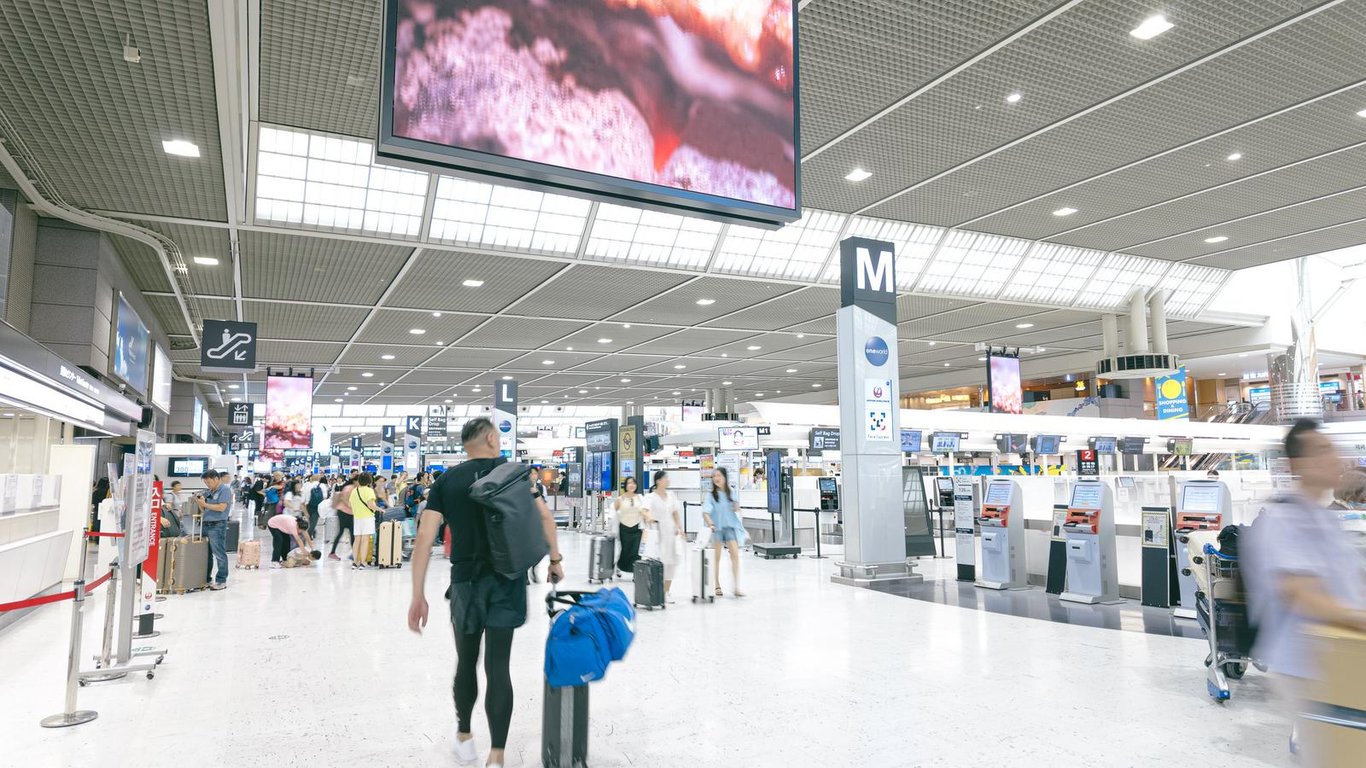
This is one of the most famous Setsubun festivals in Japan. Every year, famous sumo wrestlers and actors take part in the bean-throwing. It is also close to Narita Airport, making it easily accessible for tourists. What's unique about this festival is that they don't say "Oni wa soto" (demons out), but simply "fuku wa uchi" (good fortune in). This is because it is believed that even demons will have a change of heart in the presence of the powerful god Acala.
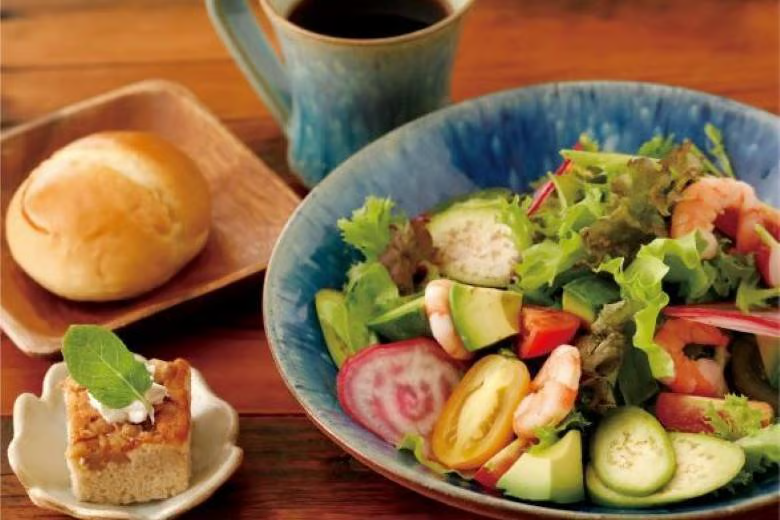
KEYAKI CAFÉ Narita New Town Branch
https://tenposstar.com/ja/merchant/64f959fcb8391
Sensoji Temple (Tokyo)
The Setsubun Festival at Sensoji Temple, one of Tokyo's oldest temples, is also very lively. Here, the traditional dance "Seven Lucky Gods Dance" that has been performed since the Edo period is performed. Along with the old streets of Asakusa, you can feel the history of Japan.
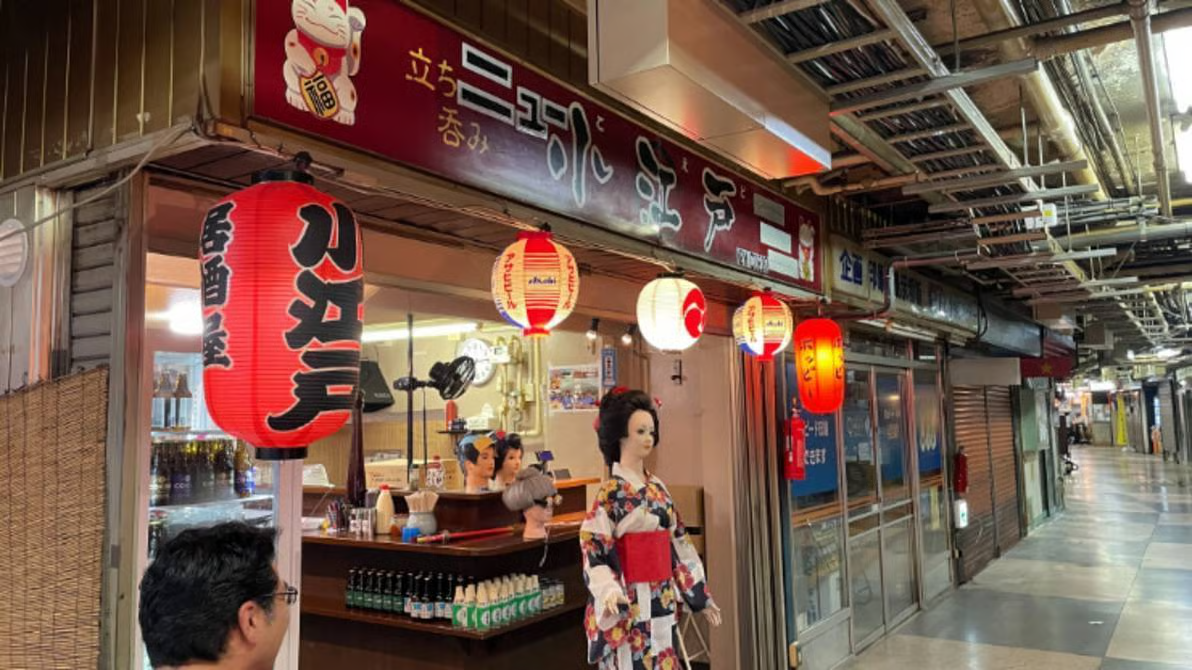
Asakusa New Little Edo
https://tenposstar.com/ja/merchant/64bf1a245509d
Yoshida Shrine (Kyoto Prefecture)
Kyoto's Setsubun Festival is truly fantastical. In particular, at the "Tsuinashiki" ceremony at Yoshida Shrine, three demons, one red, one blue, and one yellow, appear and dance wildly alongside the flames of torches. You can experience the deep spirituality of Japan in the solemn atmosphere that is so characteristic of Kyoto.
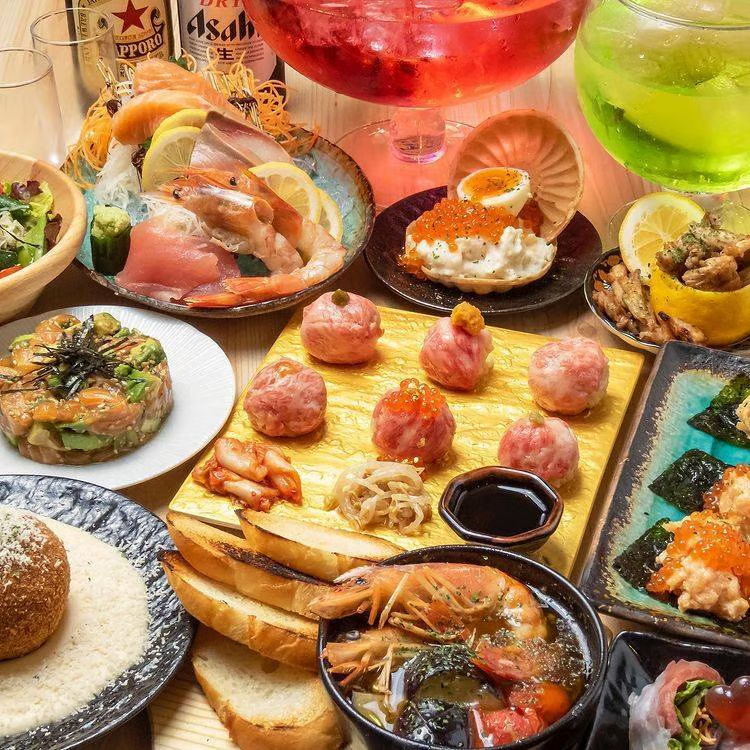
pub Muni Kyoto Kawaramachi store
https://tenposstar.com/ja/merchant/66ed3c261c674
Participate in the bean-throwing (bean-picking)
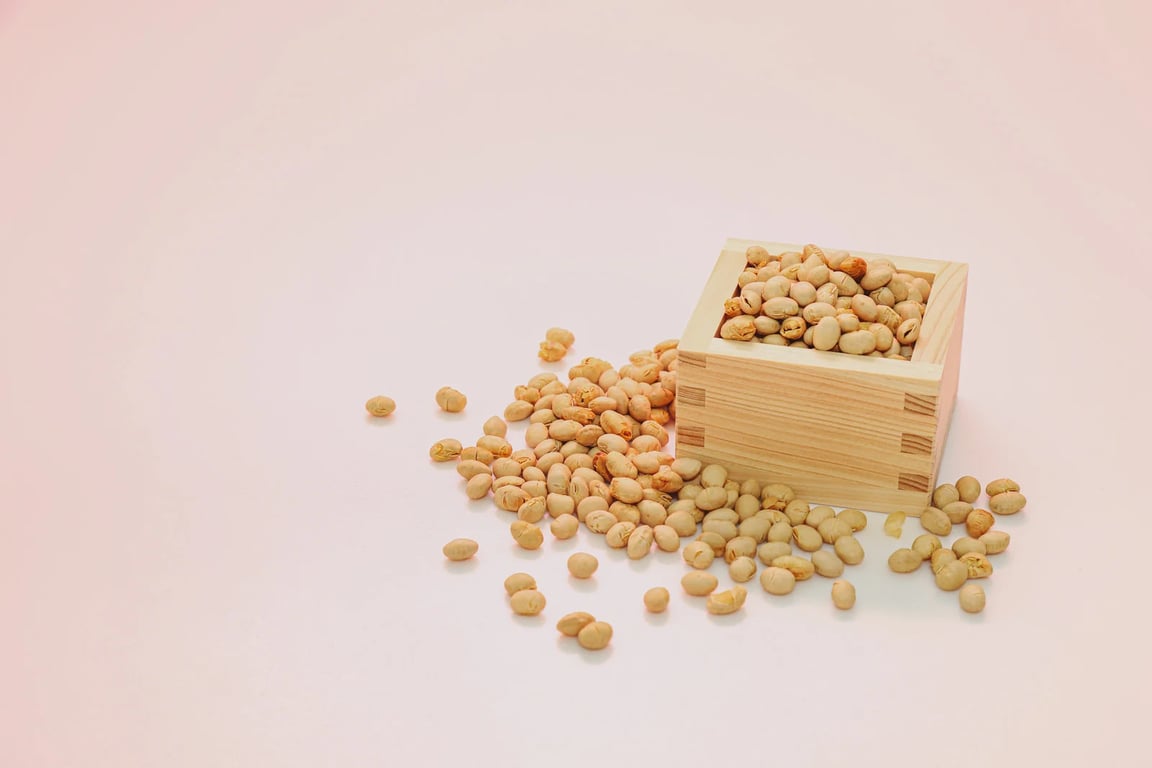
At many Setsubun festivals, beans are thrown from the stage. Sometimes these beans contain sweets or numbered tickets that can be used to win good luck prizes. Catching the flying beans can be a little tricky, but try working together with the people around you to have fun.
Check out the lucky charms and amulets
There are charms and roasted beans called "lucky beans" that are given out (and can be purchased) only on Setsubun. These are special items that will bring you good health for the year, making them perfect mementos of your trip.
Photo shoot with demons
You may see people dressed as demons walking around the festival grounds. In most cases, they will kindly allow you to take photos with them (however, please avoid doing so during sacred ceremonies). Japanese demons are not only scary, but also somewhat humorous and friendly.
To ensure everyone has a good time, there are a few things to keep in mind.
Beware of crowds
The famous Setsubun Festival is very crowded. When picking up the beans, please be careful not to push against each other and avoid injury. It is especially important to be considerate of others when there are small children or elderly people nearby.
Follow the rules of photography
There are some areas and ceremonies within shrines and temples where photography is prohibited, so be sure to check the signs or ask the staff around.
Take time to pray quietly
Festivals are lively, but they are also places to pray to the gods and Buddha. In front of the main shrine, the Japanese style is to take off your hat and pray quietly with your hands together.
The keyword for the Setsubun Festival is "sugasogashii" (refreshing). This does not simply mean "beautiful," but also refers to a state in which the mind is cleansed and clear like the blue sky.
Japanese people have always valued cleaning and attending festivals as a way to release accumulated stress and negative emotions. Shouting "Oni wa soto!" (Demons out!) at the Setsubun Festival is also a way to release the anger and sadness inside.
This clears the mind and invites new good fortune. This culture of "resetting and starting" is the source of Japan's powerful energy.
If you're visiting Japan, be sure to take part in the Setsubun Festival at the end of winter. The sounds of bean-throwing echoing in the cold air, the sound of temple bells, and the smiles of the people... There you'll find the true face of Japan, something you won't find in a tourist guidebook alone.
Letting go of the old and welcoming new happiness is sure to deepen your journey.
Now that Setsubun is over, Japan will finally be heading towards spring, the season of cherry blossoms. Let's continue to enjoy Japanese culture, which changes with each season.
Wakayama's Strange Festivals: Check out the charm of Japan through laughter festivals and gourmet food
https://tenposstar.com/ja/articles/r/3837