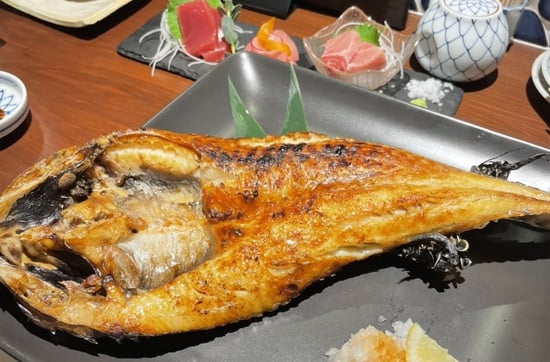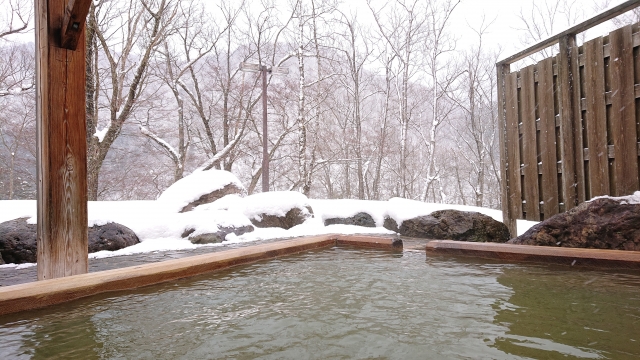
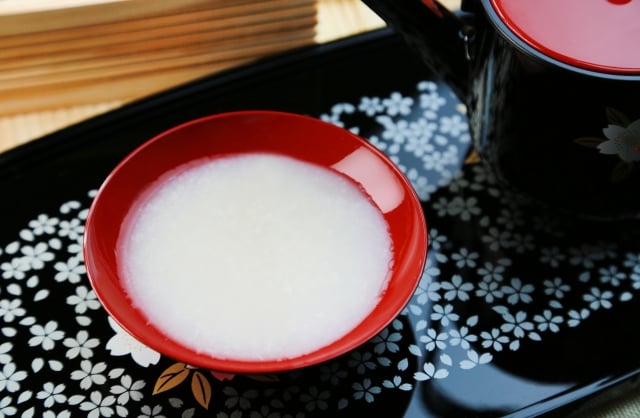


Japan has beautiful nature in all four seasons, and a unique food culture that matches each season. In particular, during the cold winter months, people have treasured foods that are packed with "wisdom" to warm the body from the inside and prevent illnesses like colds.
The fruits of this wisdom are the traditional fermented foods that Japan is proud of: miso and amazake.
Fermented foods are "nature's panacea," with their nutritional value enhanced by the power of microorganisms. Miso is a basic seasoning that supports daily meals, and amazake is a drinkable intravenous infusion, protecting the health of people as they get through the cold Japanese winter.
In this article, we will take a closer look at the appeal of these two wonderful fermented foods and what they can tell us about the "healthy Japanese lifestyle."
First, I'd like to talk about miso, the most basic of Japanese cuisine.
A.How do you make miso?
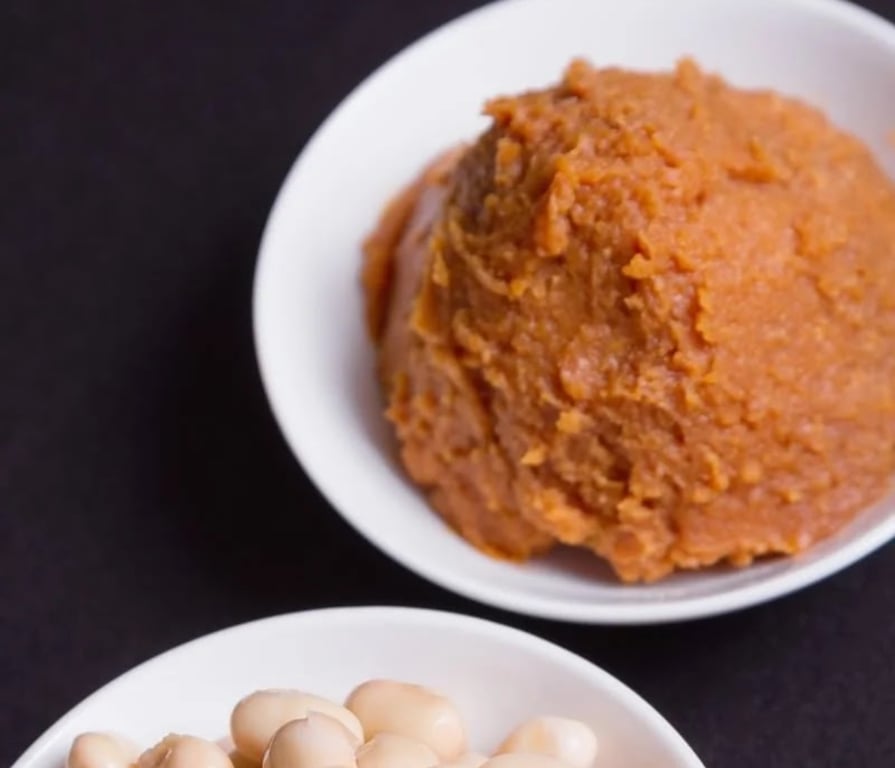
Miso is made from very simple ingredients.
Main ingredients: soybeans, rice or barley koji, and salt.
How it's made: These ingredients are mixed together and left to ferment slowly for several months to several years. During this fermentation process, a microorganism called koji mold comes into play, converting soy protein into amino acids, creating a deep umami flavor and unique taste.
B. The surprising health benefits of miso
Eating miso soup every day has many beneficial effects on our bodies.
Regulating the intestines: Miso contains many beneficial bacteria, including lactic acid bacteria. These bacteria regulate the intestinal environment and boost the immune system. This is especially important during the winter when colds and flu are prevalent.
Beauty benefits: The antioxidants contained in miso are said to prevent rust, which causes aging, and keep skin beautiful.
Protein Treasure House: Made from soybeans, it is rich in high-quality plant-based protein. It is an easy way to supplement nutrients that tend to be lacking during the cold season.
C. The unique characteristics of miso in each region of Japan
In fact, the taste and color of miso varies greatly depending on the region and the type of koji used. Here we will introduce the main types of miso in Japan and their respective characteristics.
Rice miso
Rice miso is made using rice koji (kome koji) and is the most commonly used type in Japan. Its distinctive feature is that it is not limited to any particular region and is loved widely throughout the country. As a result, it has a good balance of saltiness and sweetness, making it easy to pair with any dish. It can be said to have the standard flavor that most people imagine when they hear "Japanese miso."
Barley miso
Barley miso is made using barley koji. It is popular mainly in relatively warm regions such as Kyushu and Shikoku. This type of miso is characterized by its lighter color than other types of miso and its gentle sweetness. It has a soft barley aroma and is often used in miso soup, where you want to bring out the flavor of the ingredients.
Bean miso (mamemiso)
Mame miso is made only with soybeans and salt, without using rice koji or barley koji. Because of the long fermentation period, it becomes very dark in color, approaching reddish-brown or black. It is mainly produced in the Chubu region, such as Aichi and Gifu prefectures. It has a more astringent taste than other miso, and is characterized by its very rich flavor. It is often used in strong-flavored dishes such as stews and miso cutlets.
As you can see, miso can range in taste from sweet to salty, and in color from whitish to rich, depending on the ingredients used and the region where it is made. One of the great pleasures of traveling around Japan is experiencing the taste of miso from each region.
Miso soup restaurant Marifuku
https://tenposstar.com/ja/merchant/651a5d81ae850
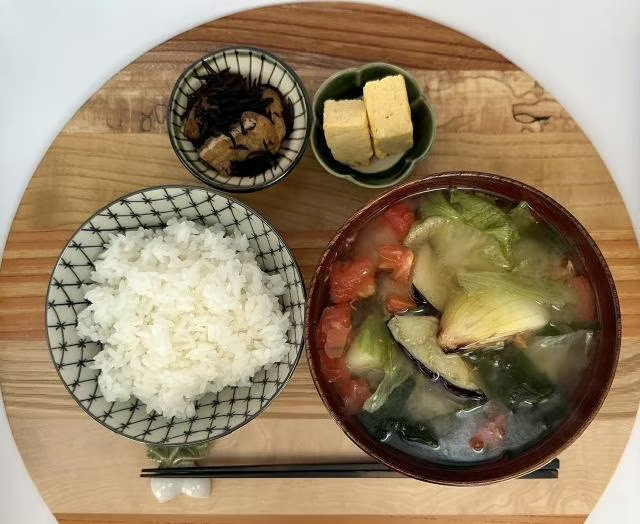
Next on our list is "Amazake," a traditional Japanese sweet drink that is especially enjoyed in the winter.
A. The magic of two types of amazake and koji
There are two main types of amazake.
Amazake made with rice koji:
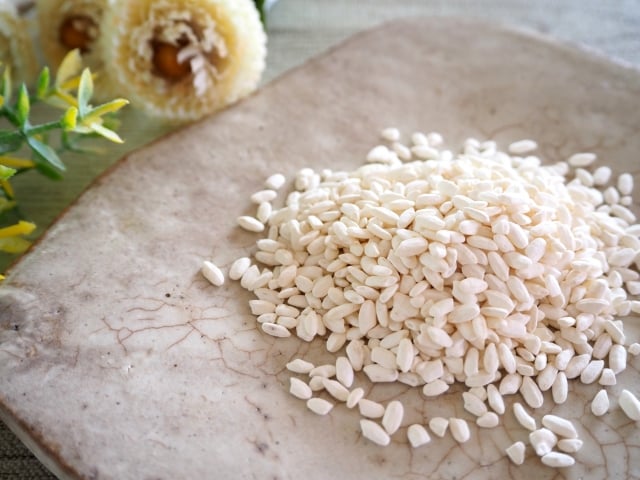
Characteristics: Made only from rice and rice koji, it does not contain any alcohol.
The secret to its sweetness: The koji mold breaks down the starch in the rice and converts it into natural glucose, resulting in a surprisingly gentle sweetness without the need for added sugar.
Amazake made with sake lees:
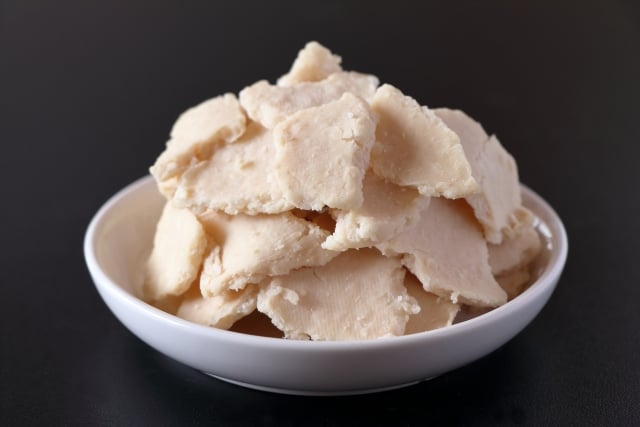
Characteristics: Made by dissolving the "sake lees" left over from the sake brewing process in water. This may contain a small amount of alcohol.
Amazake made from rice koji is gaining attention for its health benefits.
B. Why it's called "drinkable IV drip"
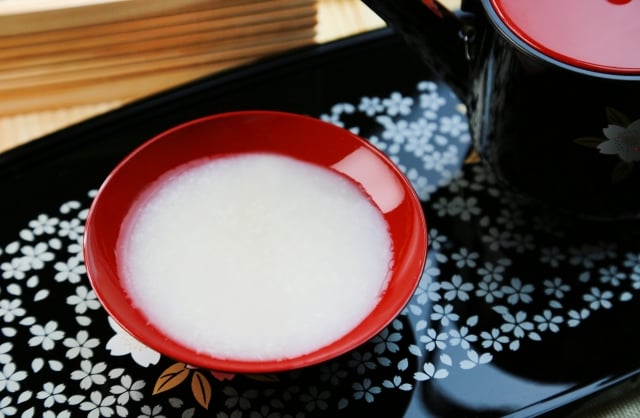
During the Edo period, it was drunk to prevent summer fatigue, but nowadays it is called a "drinkable IV drip" due to its high nutritional value.
Relieves fatigue: Rich in glucose and amino acids, which are quickly converted into energy, helping your tired body recover quickly.
B vitamins: Helps with metabolism, improves blood circulation in the cold winter, and helps prevent coldness.
Dietary fiber and oligosaccharides: Helps intestinal function and, like miso, helps regulate the intestinal environment.
Drinking warm amazake on a cold winter morning or before going to bed at night will warm you from the inside out and make you feel happy. Amazake warms both body and mind, making it the perfect "hospitality drink" for winter.
The culture of these two fermented foods reflects the lifestyle and spirituality of Japan.
Charm 1: The clever wisdom of "fermentation"
Both miso and amazake make the most of the natural power of fermentation.
Preservation: Fermentation allows food to be preserved for long periods of time. This was an important method of preserving food during the winter, when deep snow makes it difficult to find fresh vegetables.
Umami: Fermentation produces the umami flavor that is essential to Japanese cuisine. This deep umami flavor is one of the reasons why Japanese cuisine is highly acclaimed worldwide.
The Japanese have placed their trust in the "invisible power" of natural microorganisms and have skillfully incorporated them into their lives, which reflects the Japanese mentality of valuing harmony with nature.
Charm 2: The virtues of "steady effort" and "waiting"
Making miso and amazake is not something that can be done quickly. Miso in particular requires waiting for the koji mold to slowly ferment over time.
Handmade culture: Even today, the culture of making miso by hand at home or in the community remains. It takes time and effort to mature the product.
Virtue: Steady effort and the attitude of patiently waiting for results are virtues that the Japanese value. Fermented foods can be said to embody this Japanese aesthetic sense.
Advantage 3: Daily "continuity" makes you healthy
Miso soup is not a special treat, but an everyday food that is eaten every day.
The health of the Japanese people has been maintained not by relying on expensive supplements or temporary diets, but by "consistently consuming" nutritious traditional foods like miso soup every day. This idea that "persistence is power" is one of the major factors supporting Japan's longevity.
If you have the chance to come to Japan, please enjoy miso and amazake in various forms.
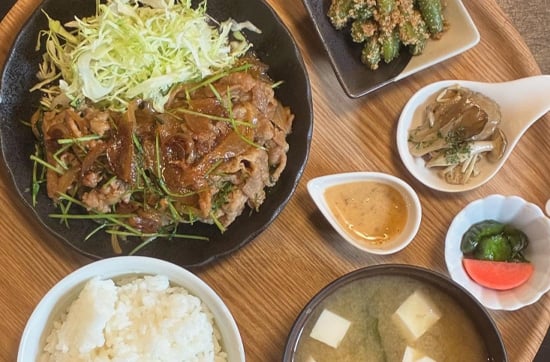
Miso soup experience: Try some warm miso soup for breakfast at a traditional Japanese inn (ryokan) or a restaurant serving set meals. The ingredients vary depending on the region, including tofu, wakame seaweed, and seasonal vegetables.
Amazake Cafe Moritami Sabo
https://tenposstar.com/ja/merchant/659f74ff736d6
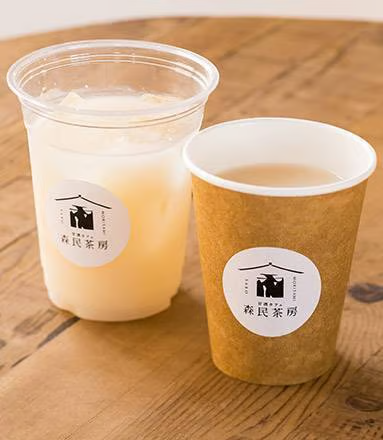
Amazake specialty shops: Rice koji amazake is available at food stalls at shrines during New Year's visits, and recently even in trendy cafes. Cold amazake is available, but we recommend trying the hot version.
Miso and Koji Specialty Stores: There are specialty stores selling various types of miso and koji throughout the city. It's fun to ask the store staff about how they are made and the regional differences.
Miso and amazake are precious foods that have been developed through the wisdom and efforts of people throughout Japan's long history.
Especially during the cold season, these warm and nutritious fermented foods gently support our bodies from the inside out.
It is not just a health food, but a symbol of Japanese food culture, filled with respect for nature, family ties, and the Japanese spirit of cherishing daily life.
I hope you will all experience the health and warmth of Japan through these two "panaceas."
What is Aichi's local B- class gourmet food "Miso Nikomi Udon"? Introducing its characteristics and history! Check this out too!
![[2026 Update] Head to Minamiboso in Winter! A Day Trip Driving Plan to Enjoy Spectacular Views, Strawberries, and All-You-Can-Eat Seafood](https://imagedelivery.net/0Xfr734EZhL-f9btSNh4FQ/uploads/article/01KEXH672R9D8EBMSS85QFC7AS.jpg/public)