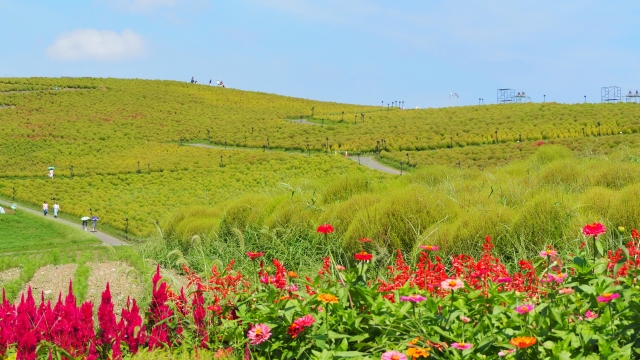
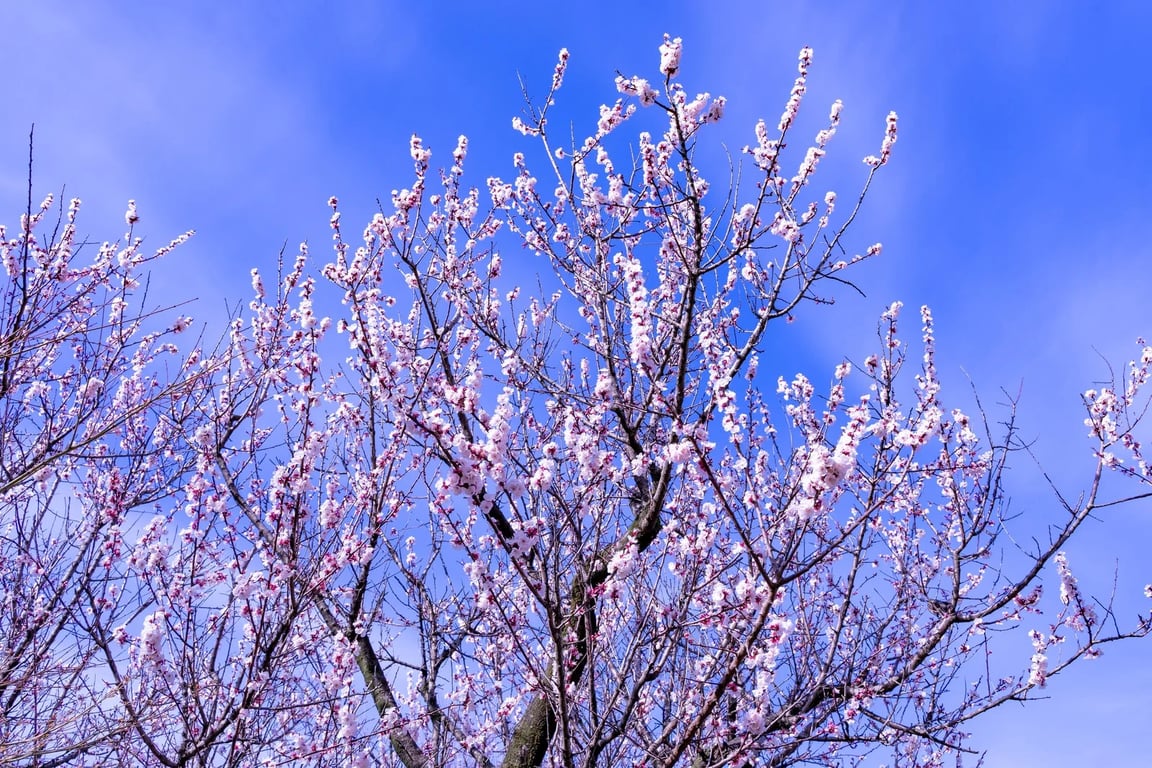


In winter in Japan, the air is clear and there is a pleasant chill that makes you stand up straight.
When you visit Japan, the thing you look forward to most is probably the cherry blossoms. However, just before the cherry blossoms paint the city pink, from February to March, when the cold winter weather still lingers, there is a special event that Japanese people look forward to with anticipation.
This is the Plum Festival.
This time, we will tell you with all our heart about plum blossoms, which bloom as a harbinger of spring, the tea culture enjoyed beneath them, and the elegant moments that Japanese people cherish.
They bloom despite the cold winter. Check out these 5 famous spots to see plum blossoms beloved by the Japanese people.
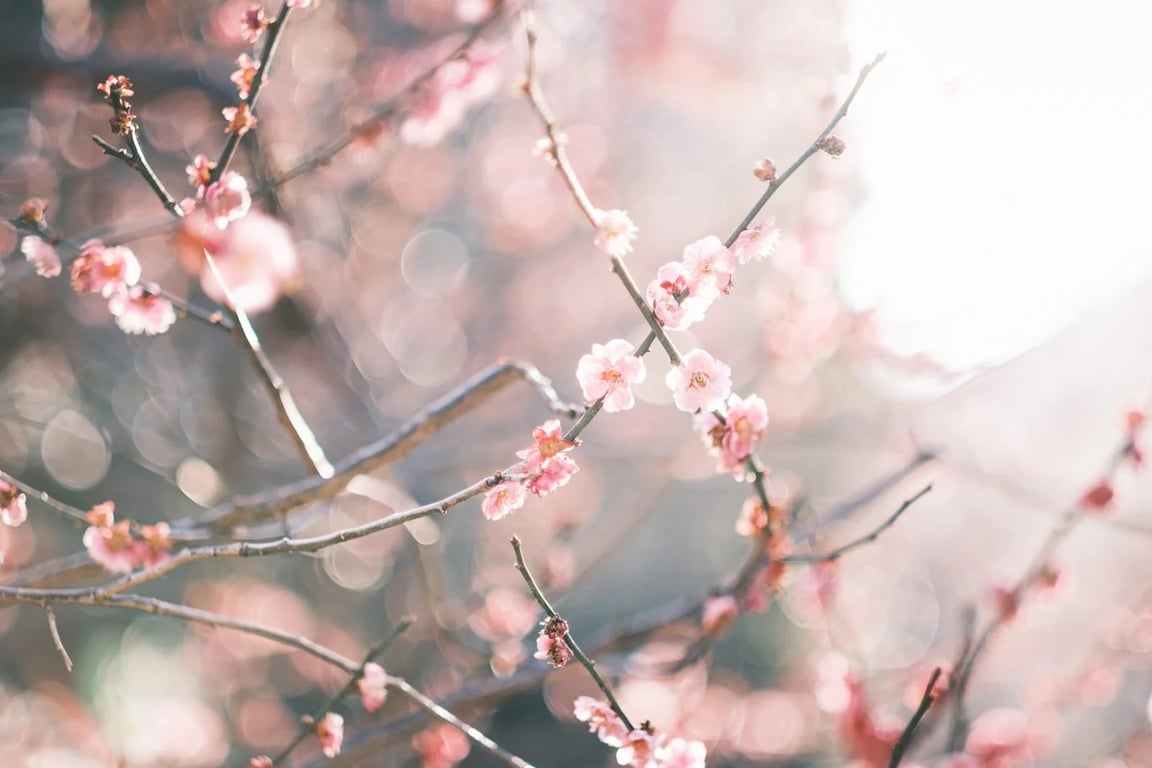
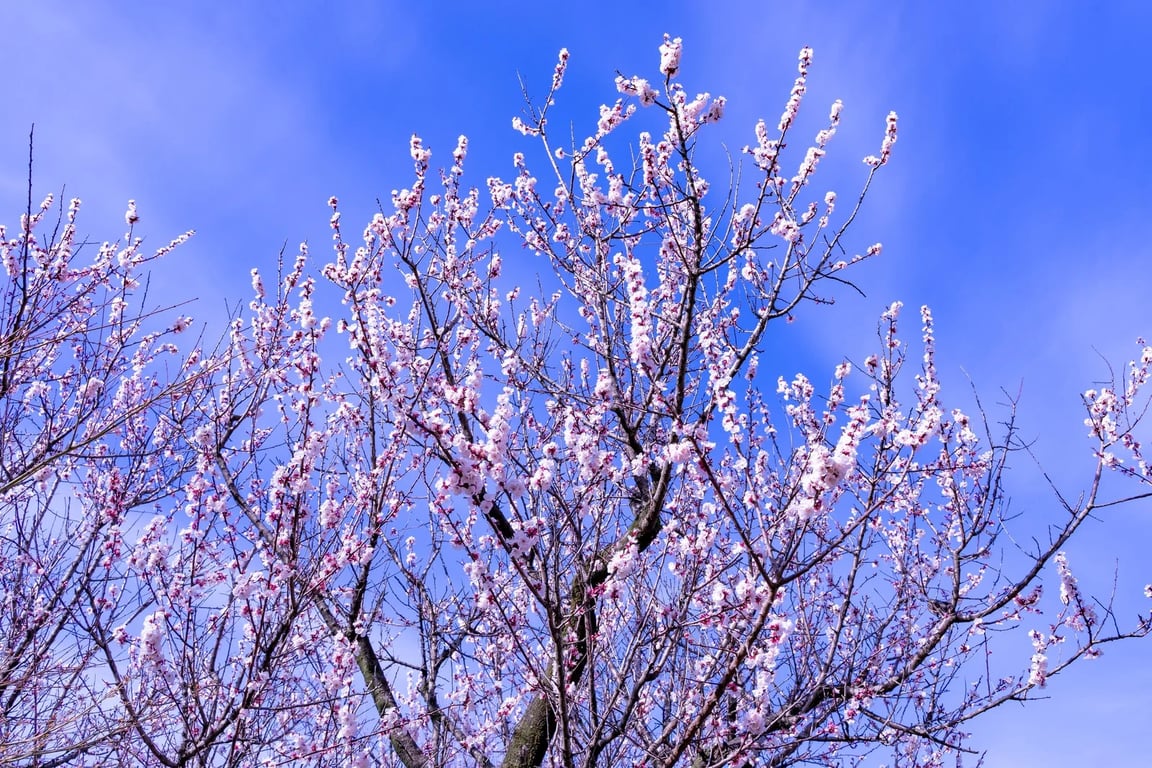
In Japan, plum blossoms have long been loved as a flower that heralds the arrival of spring.
A dignified bloom in the cold
Even in the bitter cold of snow, plum blossoms swell from small, round buds and bloom gracefully. Their appearance symbolizes the perseverance of the Japanese people who have endured the long winter, and the hope for a new season.
The Plum Festival is not just a festival for viewing the flowers. It is also a warm opportunity for local people to share the joy of the cold weather finally starting to ease and to pray for happiness in the coming year.
When you visit the plum festival venue, you can encounter the culture of "Nodate" in many places.
What is Nodate?
Nodate is a tea ceremony where matcha is enjoyed outdoors. Normally, tea ceremonies are held in a quiet tea room, but at this time of year, a red carpet (mousen: a carpet of cloth) is laid out in a beautiful plum grove, and tea is made under the blue sky.
Enjoy with all five senses: Red and white plum blossoms spread before your eyes, and the elegant sweet scent of plums tickles your nose. If you listen carefully, you can hear the birds chirping, and savor the warm matcha tea... It's truly a luxurious time to experience spring in Japan using all five senses.
An encounter with Japanese sweets: Served with tea are pink unbaked sweets in the shape of plum blossoms and dried sweets with a plum scent. They look so pretty, it's almost a shame to eat them.
It's okay if you don't know the proper etiquette. The important thing is to relax in nature and enjoy the moment to the fullest.
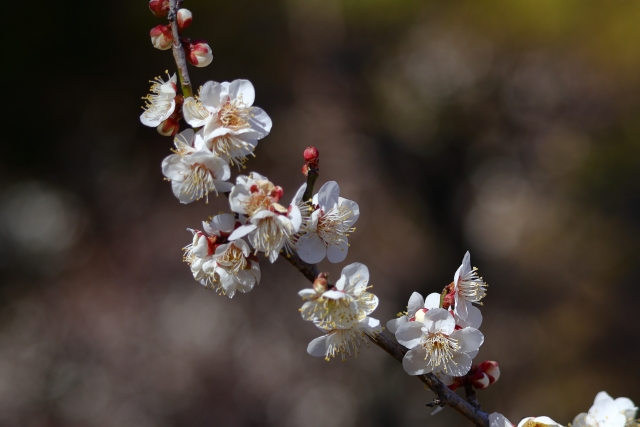
There are many wonderful places in Japan where you can enjoy tea and plum blossoms at the same time. Here are some spots that we would particularly recommend to foreigners.
Kyoto: Kitano Tenmangu Shrine
It is Kyoto's most famous plum blossom spot, and a special festival called the Plum Blossom Festival is held there on February 25th.
Here, special tea ceremonies are held where maiko and geiko dressed in gorgeous kimonos serve tea to visitors. This is the only day of the year when you can see both the beautiful plum blossoms and the maiko, who symbolize traditional Japanese beauty.
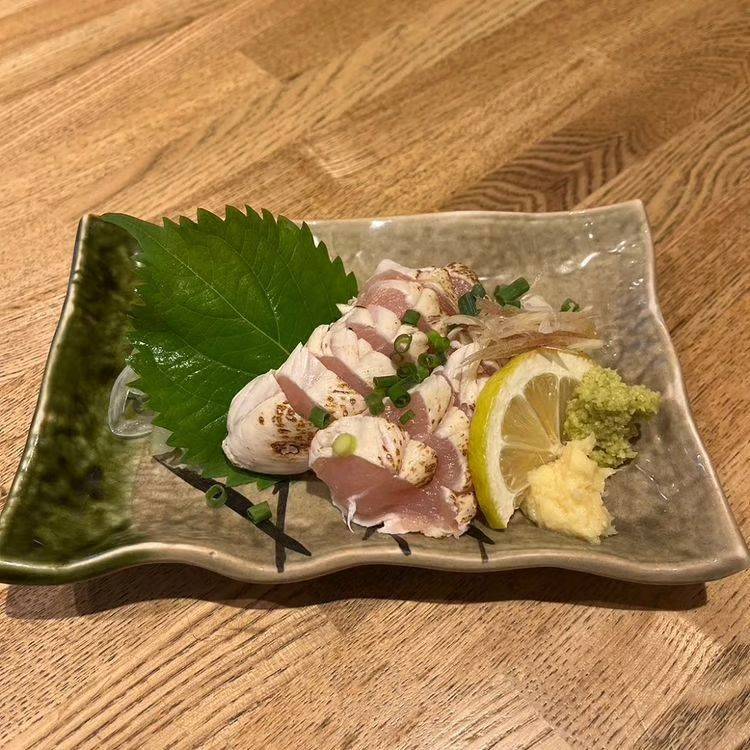
Tempura Warisen Sakadokoro Heso Kyoto Branch
https://tenposstar.com/ja/merchant/66e7e4fb32e09
Tokyo: Yushima Tenjin Shrine
This shrine, located near Ueno Park, hosts the Bunkyo Plum Festival every year.
Although it is located in the middle of the city, one step inside and you will find yourself transported back in time to the Edo period. On weekends, performances of Japanese dance and other traditional performing arts are held, allowing you to enjoy a relaxing moment of Japanese culture while sipping tea.
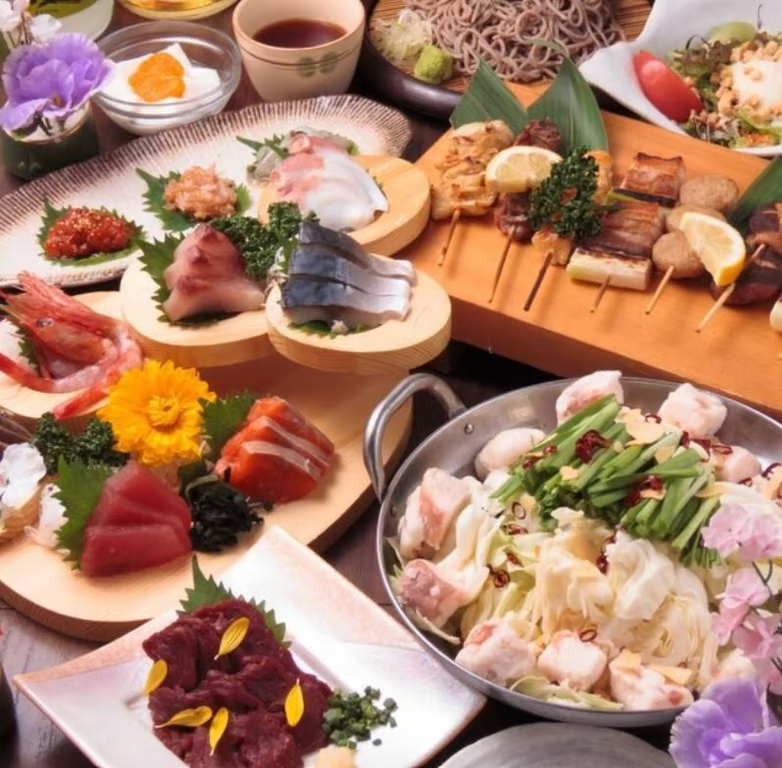
Matsuriya Yumeyoshi Ueno Hirokoji Branch
https://tenposstar.com/ja/merchant/66ed3d39e6393
Mito: Kairakuen Garden
Located in Ibaraki Prefecture, this is one of Japan's three most famous gardens. There are approximately 3,000 plum trees planted here, and its vastness is truly impressive.
During the festival, you can enjoy tea in the historic building "Kobuntei." The sea of plum blossoms visible from the window is as beautiful as a painting.
Naruse Unagi Mito Branch
https://tenposstar.com/ja/merchant/65f7d48faf3c4

For those of you visiting the Plum Festival for the first time, here are some tips to help you have a more enjoyable experience.
Pay attention to the scent: Cherry blossoms have almost no scent, but plums have a wonderful scent. Before drinking the tea, be sure to take a deep breath. The sweet, noble scent, like jasmine, will soothe your mind.
Try Amazake (sweet sake): In addition to matcha, we also recommend the warm amazake sold at food stalls. This non-alcoholic drink made from rice malt is so healthy that it is said to be like a drinking IV drip, and it warms your body from the inside out.
Bring your camera: Plum blossoms are characterized by their cute, rounder petals than cherry blossoms. Also, bright green birds called "Japanese white-eyes" come to plum trees to suck nectar. The combination of pink flowers and green birds makes for a truly photogenic moment.
It's true that February in Japan is still a little cold, but it's precisely because of this cold that the scent of plum blossoms feels even more pure, and a cup of warm tea permeates the soul.
The Plum Festival is the perfect place to experience the spirit that the Japanese have cherished for thousands of years: appreciating nature and carefully enjoying the changing seasons.
Rushing around famous tourist spots is fun, but why not stop under a plum tree, have a sip of tea, and feel the time pass more slowly?
There, you will find the gentle and elegant "real Japan" that is not written in guidebooks.
May your trip to Japan be as beautiful as plum blossoms and filled with warm memories.
Japan's Three Greatest Cherry Blossom Spots in Spring | Check out the breathtaking views you must see at least once in your life and the spots that are perfect for social media
![[Ibaraki Prefecture] Introducing the history and characteristics of the local B-class gourmet food "natto"!](https://imagedelivery.net/0Xfr734EZhL-f9btSNh4FQ/uploads/article/01JWYTK6EG18SSC33D685JXA2P.jpg/public)