

Open a map of Japan and look for the large peninsula that juts out to the north in the exact center of Honshu. There you will find the Hokuriku region, which spans Ishikawa and Toyama prefectures.
In winter, Hokuriku is enveloped in bitter cold and snow. The cold winds blowing in from the Sea of Japan make the sea rough and the waves high. But did you know that it is this harshness that nurtures the miraculous ingredients that delight gourmets around the world?
The ingredient in question is cold yellowtail.
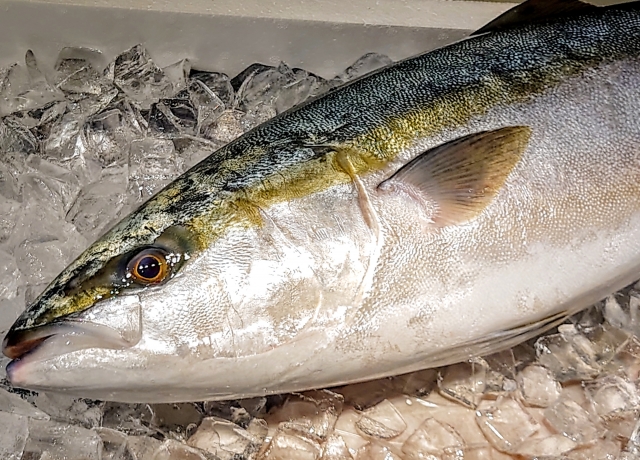
Yellowtail is a fish eaten all over Japan, but the winter yellowtail caught in the Hokuriku region, especially in Himi, Noto, and Kanazawa, is something entirely different. It's not just a fish, but a jewel of the sea that melts in your mouth, with a rich fat content like the finest Wagyu beef.
In this article, we'll take you on a gourmet journey through three areas of Hokuriku in search of the king of winter, the cold yellowtail. Your encounter with incredibly fresh sushi is sure to be one of the most moving dining experiences of your trip to Japan.
First of all, why is winter yellowtail considered so special?
In Japan, yellowtail is known as a fish that changes its name as it grows. When it is small, it is called "wakashi" or "inada" and only when it grows large is it given the name "buri." This is why it has become a popular fish for celebrations, as it is seen as an auspicious fish that brings success in life.
And at the top of the list is cold yellowtail.
Yellowtails feed plentifully in the waters of Hokkaido from spring to summer, and when the water temperature drops in winter, they head south across the Sea of Japan to spawn. Just as they approach the coast of the Hokuriku region, their bodies store up plenty of fat to protect them from the bitter cold, and they reach their peak condition.
Only those caught during this period, from December to February, can be called winter yellowtail.
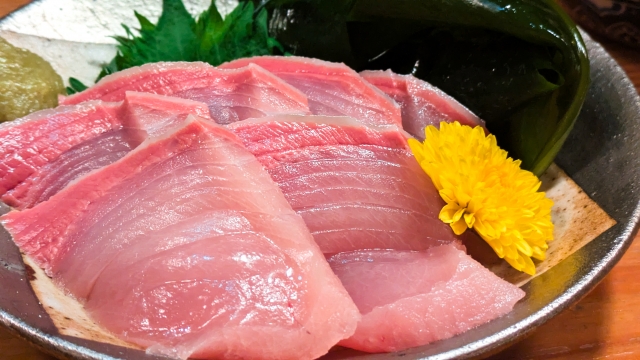
The journey begins in Himi City, Toyama Prefecture. This is the center of Japan's winter yellowtail culture and is truly worthy of being called a sacred place.
The magic of Toyama Bay, a natural fish preserve
Toyama Bay, which faces Himi, is a rich environment for fish, so much so that it is called a natural fish tank. Thanks to the unique topography, where the water suddenly deepens just off the shore, fishing grounds are very close to the port.
This allows fishermen to return to port immediately after catching their fish, meaning the fish arrives at the market without any time to be stressed, resulting in incredibly fresh fish.
The pride of the Himikanburi brand
Himi fishermen are extremely confident and proud of the yellowtail they catch. Every year, only during a certain period of time, if the fish meets strict standards such as size and fat content, can they be declared Himi winter yellowtail, and a certificate is issued for each one.
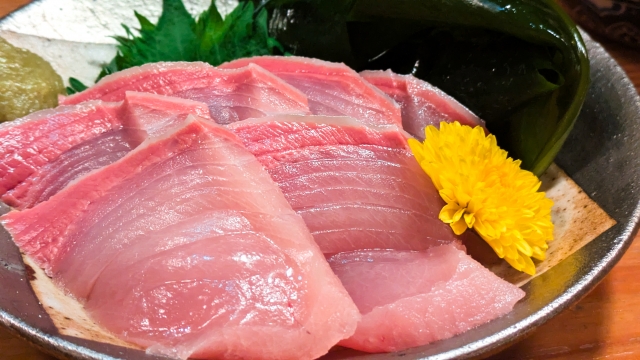
If you go to a sushi restaurant near Himi's fish market, you'll notice that the cold yellowtail nigiri served there looks different. The flesh is not a translucent pink, but is a nearly white color with marbled fat.
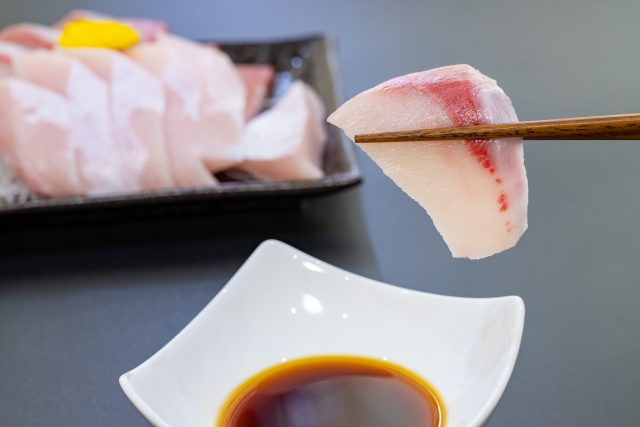
When you add a little soy sauce, the fat is so strong that it repels the soy sauce. When you put it in your mouth, you first feel a crunchy texture, and then a rich sweetness spreads throughout your mouth. It's not so much like eating fish, it's like having a new taste experience.
Heading west from Himi, you will come across the Noto Peninsula, which juts out into the Sea of Japan. Noto is a place surrounded by beautiful yet harsh nature, where satoyama and satoumi (satoyama and satoumi) remain, a landscape that could be said to be the original landscape of Japan.
The sea and the lives of the people of Noto
Yellowtail fishing in Noto is a part of the region's history. At fishing ports such as Ushitsu, a traditional fixed net fishing method has long been used to catch fish without harming them.
The sushi you can enjoy in Noto has a bold, wild flavor that is different from the refined sushi you can find in the city. The restaurants and sushi shops located right next to the fishing port serve simply cut, bold amberjack.
How to eat it because it's fresh
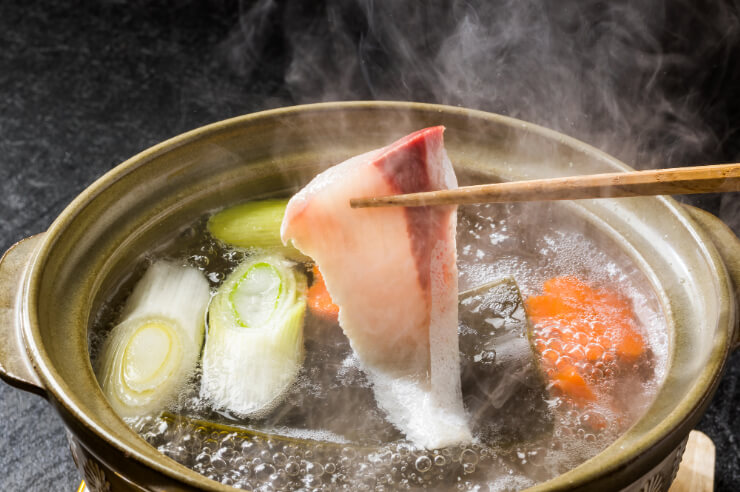
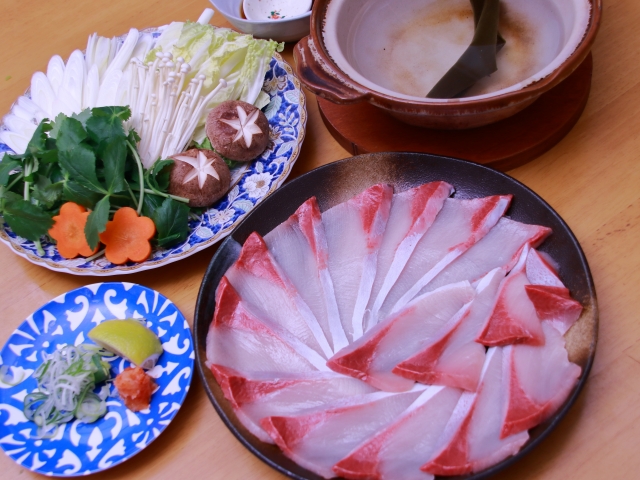
In Noto, sashimi and sushi are of course popular, but yellowtail shabu-shabu is also popular.
Thinly sliced kanburi (cold yellowtail) is dipped in a hot pot of water containing kelp stock for just a few seconds. When the surface turns slightly white, it is removed and eaten with ponzu sauce.
By cooking the fish, excess fat is removed, making the flesh soft and fluffy, and you can taste a sweetness that is different from raw sushi. Warm yellowtail shabu-shabu is sandwiched between the sushi, making this a luxurious Noto-style full course meal.
What is Toyama Prefecture's local B-class gourmet dish, "Buri Shabu"? Introducing its characteristics and history!
https://tenposstar.com/ja/articles/r/2701
The final stop on the journey is Kanazawa, the largest city in the Hokuriku region. This city has a history of prosperity as a castle town of the Kaga domain with a million koku of rice, and is home to a highly developed traditional crafts and food culture.
Omicho Market, Kanazawa's kitchen
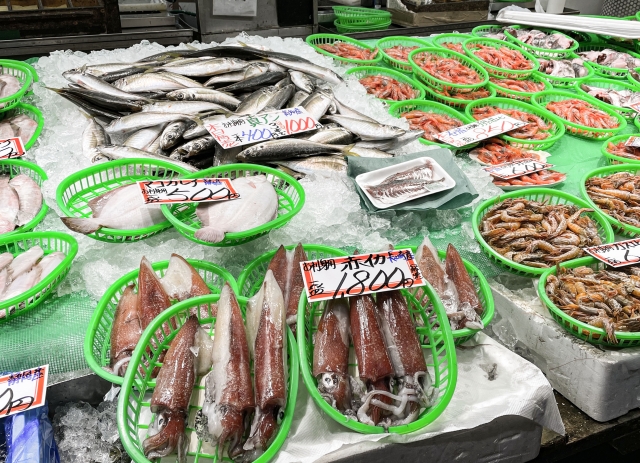
When you visit Kanazawa, the first place to head to is Omicho Market. Known as Kanazawa's kitchen, this place is where fresh seafood is gathered from all over the Hokuriku region.
The winter market is vibrant, colored by the red of crab and the silver of yellowtail. There are many sushi restaurants within the market, and tourists line up from early in the morning to enjoy seafood bowls and nigiri sushi.
Is this the best conveyor belt sushi restaurant in the world?
When talking about sushi in Kanazawa, one thing that cannot be left out is the existence of conveyor belt sushi restaurants.
You may have the image of conveyor belt sushi as cheap and convenient fast food, but the conveyor belt sushi in Kanazawa is in a class of its own.
Because the port is nearby, the highest quality cold yellowtail is sourced through the same channels as high-end sushi restaurants and rotates on the conveyor belts. Most restaurants have their chefs prepare the sushi right in front of you, and the quality is comparable to that of high-end restaurants in Tokyo.
In Kanazawa, you can try different parts of winter yellowtail.
The fatty part of the otoro melts away the moment you put it in your mouth.
The flesh on the back has a rich flavor and just the right amount of acidity.
When seared (the surface is seared over a burner), the fragrant aroma and the sweetness of the fat that has melted due to the heat are brought out.
For just a few hundred yen per plate, you can easily enjoy this winter delicacy, a testament to the deep love and pride that the city of Kanazawa has for its food.
Here are some tips to help you make the most of your winter trip to Hokuriku.
Don't miss the best season
The season for cold yellowtail is very short. The most delicious season is from December to early February. It is said that there is a particularly good catch after snowfall, thunderstorms that cause rough seas (known as "buriokoshi" in the Hokuriku region).
Be prepared for the cold
Winter in Hokuriku is cold. The wind is particularly strong along the coast, so be sure to bring a thick coat, scarf, gloves, and non-slip shoes. However, the colder it is outside, the more exceptional the taste of sushi and atsukan (warm sake) you can enjoy inside a warm restaurant through the noren curtains.
Combined with other winter flavors
If you go to a sushi restaurant, try not only cold yellowtail but also other toppings unique to this region.
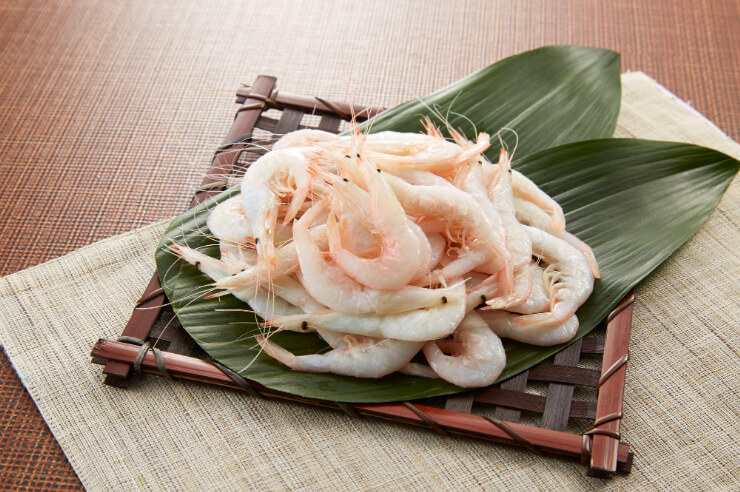
For example, sweet shrimp (amaebi), the female snow crab (kobakogani) that is a Hokuriku winter specialty, and Nodoguro (blackthroat seaperch) are some of the dishes. By combining these, you can get a deeper feel for the richness of the Hokuriku seas.
You can eat delicious sushi in big cities like Tokyo and Osaka, but there's nothing quite like the experience of traveling to Hokuriku in the winter, feeling the chilly wind, and eating freshly caught winter yellowtail.
It's not just a meal, but an experience of the harsh winter nature and the Japanese culture of living in gratitude for its blessings.
The lively atmosphere of Himi, the kindness of Noto, and the glamour of Kanazawa... The cold yellowtail sushi you will encounter in each city will surely warm your heart and fill your stomach.
What is Kanazawa's B-class gourmet dish, "Hanton Rice"? Explaining its characteristics, history, and more!
![[Toyama Prefecture] Introducing the history and characteristics of the local B-class gourmet food "Masu Sushi"](https://imagedelivery.net/0Xfr734EZhL-f9btSNh4FQ/uploads/article/01JWYRWDKNSBXRFRF4BS9A2PF4.jpg/public)