

What image comes to mind when you think of New Year's in Japan? People wearing beautiful kimonos, eating osechi cuisine, and visiting shrines for the first time in the year... Of course, these are important cultural events, but there is actually another important event that envelops the whole of Japan in a special frenzy when the new year arrives.
That isthe Hakone Ekiden .
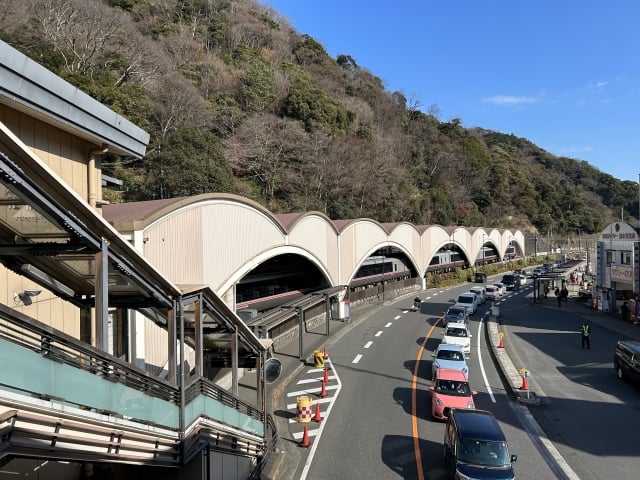
You may not be familiar with the word "ekiden." It is a uniquely Japanese sport in which runners run long distances while carrying a cloth belt called a "tasuki" (sash). Among these races, the Hakone Ekiden is so special to the Japanese that it is called a "national event."
In this article, I would like to introduce the appeal of the Hakone Ekiden and the beautiful spirit of Japan that can be seen through it in an easy-to-understand way for our foreign readers.
First, let's start with some basic information about the Hakone Ekiden.
1. When and where will you run?
The Hakone Ekiden is always held over two days, on January 2nd and 3rd every year.
• Course: A round trip course from Otemachi in Tokyo to Lake Ashi in Hakone, Kanagawa Prefecture.
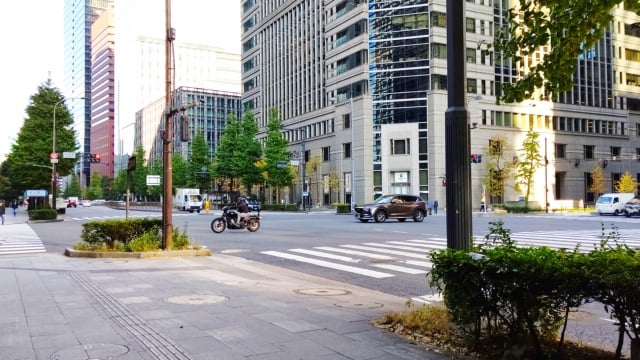
◦ Outbound journey (January 2nd): Otemachi to Lake Ashi
◦ Return trip (January 3rd): Lake Ashi to Otemachi
• Distance: It's a very long journey, about 217.1km in total.
• Participants: Track and field teams from approximately 20 universities in the Kanto region will participate. All athletes are university students.
2. Rules of the "Ekiden"
The race is a relay race with 10 runners working together.
• Sections: The entire course is divided into 10 sections, and each person runs one section at a time.
• Tasuki: The sash that is passed to the next runner is the symbol of this sport. This sash is a very important baton (item to be handed over) that contains the team's thoughts and spirit.
Why are Japanese people so fascinated by this simple university sports tournament? There are four major attractions that are deeply connected to Japanese culture and national character.
Attraction 1: Beautiful Japanese scenery and dramatic courses
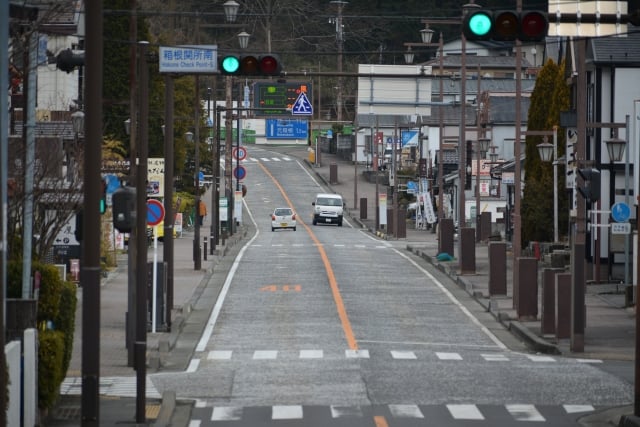
The Hakone Ekiden course has many highlights.
The race begins among the skyscrapers of Tokyo, passes through the bustling city of Yokohama, and then the scenery changes dramatically, taking you along beautiful coastal roads and then onto rugged mountain paths.
Particularly famous are the mountain climbing section "Section 5" and the mountain descent section "Section 6."
• Section 5 (outbound): The runners climb a steep slope in one go and cross the Hakone mountains.
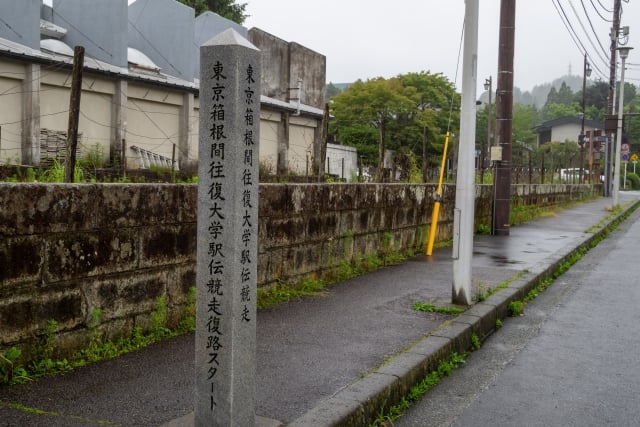
• Section 6 (return leg): On the other hand, we descend the mountain road at high speed.
This is where the runners' physical and mental strength is most tested. The sight of the runners climbing the hill with pained expressions on their faces is like witnessing the trials of life, and it touches the hearts of many Japanese people. This dramatic scenery makes the race even more moving.
Charm 2: The feelings and bonds of the team that are embedded in the sash
The greatest attraction of the sport of ekiden is the act of passing the sash.
• Even when a runner finishes their race, it's not the end. They exert all their strength to pass the sash in the best possible position to the next runner and to the whole team.
• If one runner falls ill and falls behind, the next runner will run as hard as he can to make up for the lost time.
This sash represents the dreams of the 10 players and the history of the team itself. There is a bond between them that is stronger than words can convey. This spirit of self-sacrifice and working hard for their teammates symbolizes the values of teamwork and mutual help that are so highly valued in Japanese culture.
Charm 3: Gain strength from seeing others trying their best in the new year
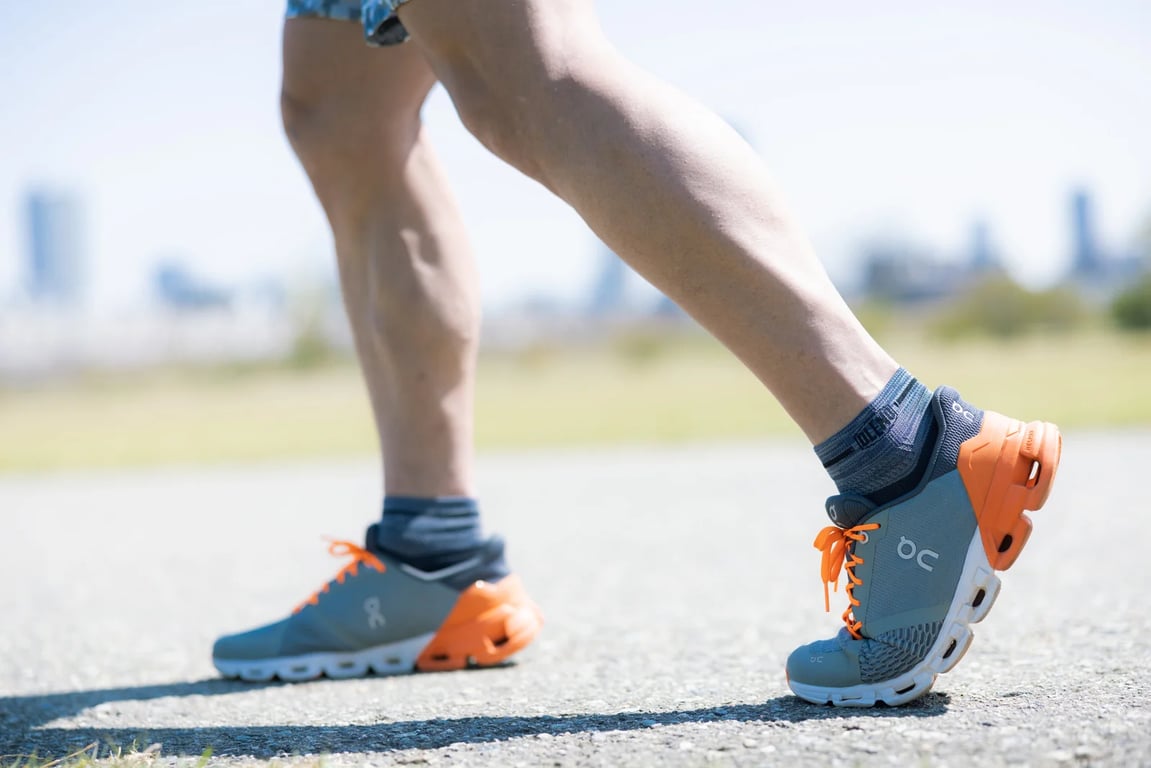
The Hakone Ekiden is held on January 2nd and 3rd. This is a very important time for Japanese people to pledge to do their best this year.
Watching the athletes on TV or on the roadside, enduring the cold and pushing themselves beyond their limits, we are moved and inspired.
"Those students are working so hard, so I'll work hard and study hard this year too!"
This is the feeling that many Japanese people have when they watch the Hakone Ekiden. This event is not just a sporting event, but a source of energy for all of Japan to start the new year.
Attraction 4: The students' "life dramas"
The participants are young students who are still in the middle of their lives.
• They dedicate their entire four-year college career to this race.
• A strong desire for glory, to run at your best in the race and bring pride to your university.
• On the other hand, there are moments of frustration when you succumb to pressure, are unable to perform to your full potential, and shed tears of regret.
All of those emotions are condensed into just two days. Through their sweat and tears, we can see the brilliance of youth, the harshness of life, and the beauty of the moment when hard work pays off. Every year, many "inspirational stories" are born from this tournament.
There are several charms of Japan that we would like everyone to discover through the Hakone Ekiden event.
1. The spirit of hospitality
Many people cheer on the Hakone Ekiden from the roadside, but they don't just cheer; they also follow the rules and etiquette to ensure the runners have a good time.
• Don't shout too loudly
• Don't get too close to the players
• Take your trash home with you
This is the uniquely Japanese spirit of "omotenashi," which values consideration and respect for others. The entire event is filled with respect for the athletes.
2. A culture that values "effort" and "guts"
In Japanese culture, talent is important, but even more so, "effort" and "guts" are valued.
Not all of the Hakone Ekiden runners are blessed with talent, but they endure the rigorous training every day and continue to challenge themselves.
The belief that "effort will always be rewarded" is strongly conveyed through the drama of the Hakone Ekiden. This is a value that is cherished in all aspects of Japanese society, including work and school.
3. A heart that values tradition
This tournament began in 1920, making it a very old tournament with a history of over 100 years.
The fact that the same sash relay is held at the same time and in the same place every year is an opportunity for the Japanese to reaffirm "the things that are important and unchanging." We love new things, but one of Japan's great charms is its spirit of cherishing and preserving good traditions.
If you're in Japan over the New Year, be sure to check out the Hakone Ekiden.
1. Watch it on TV
Most Japanese television stations will broadcast the race from morning until evening on January 2nd and 3rd. Listening to the passionate commentary of the live announcers and expert commentary will make the experience even more moving.
2. Cheering along the road
Please follow traffic rules and cheer from a place that won't get in the way of the athletes. Waving flags and cheering "Go for it!" will surely give the athletes energy. The speed and power of the athletes racing past in front of your eyes is an experience that you can't get on TV.
Recommended shops in the Hakone Ekiden area
https://tenposstar.com/ja/merchant/64bf199e80e50
Iron Bread Shop Benbei Otemachi Branch
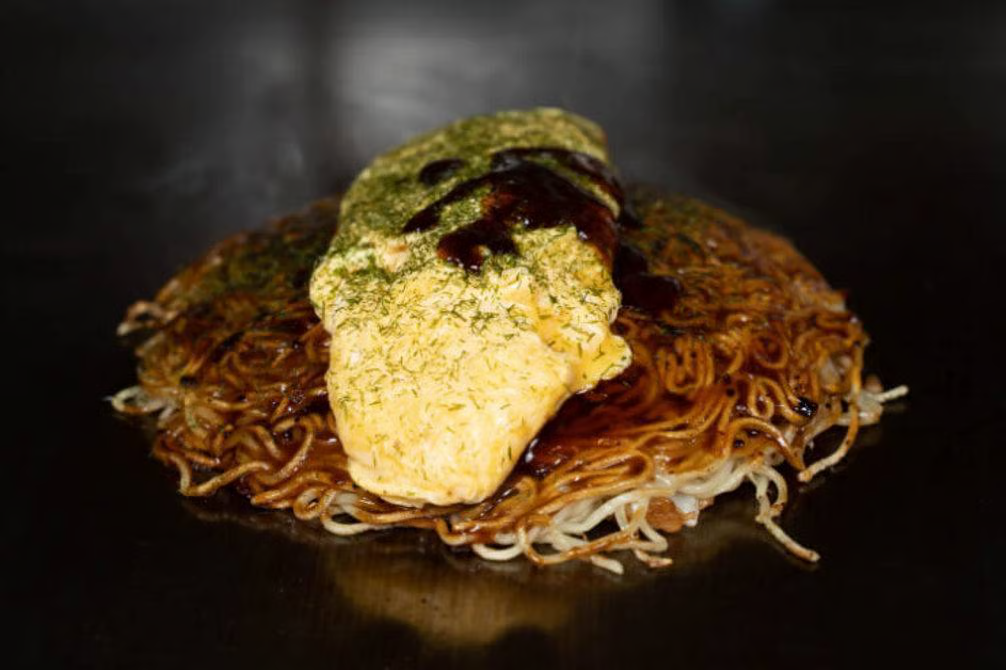
https://tenposstar.com/ja/merchant/66c3e50425aa6
Yokohama Iekei Ramen Ginya Yokohama West Exit Parnade Branch
The Hakone Ekiden is more than just a marathon.
It is a passionate drama that heralds the start of the new year in Japan, and a mirror that reflects the beautiful spirit of Japan.
• Bonds for Friends
• A strong will to overcome oneself
• A culture that preserves traditions and praises hard work
The sight of runners passing the sash and running desperately towards the finish line is filled with the hope and inspiration that we cherish.
If you have the opportunity to be in Japan for the New Year next year, be sure to experience the excitement of the Hakone Ekiden. Learning about this event will surely lead to a deeper understanding of Japanese culture and the hearts of its people.
Also check out " [Lucky!] What is the meaning behind the food in the tiered box? How to enjoy "Osechi" 10 times more "