

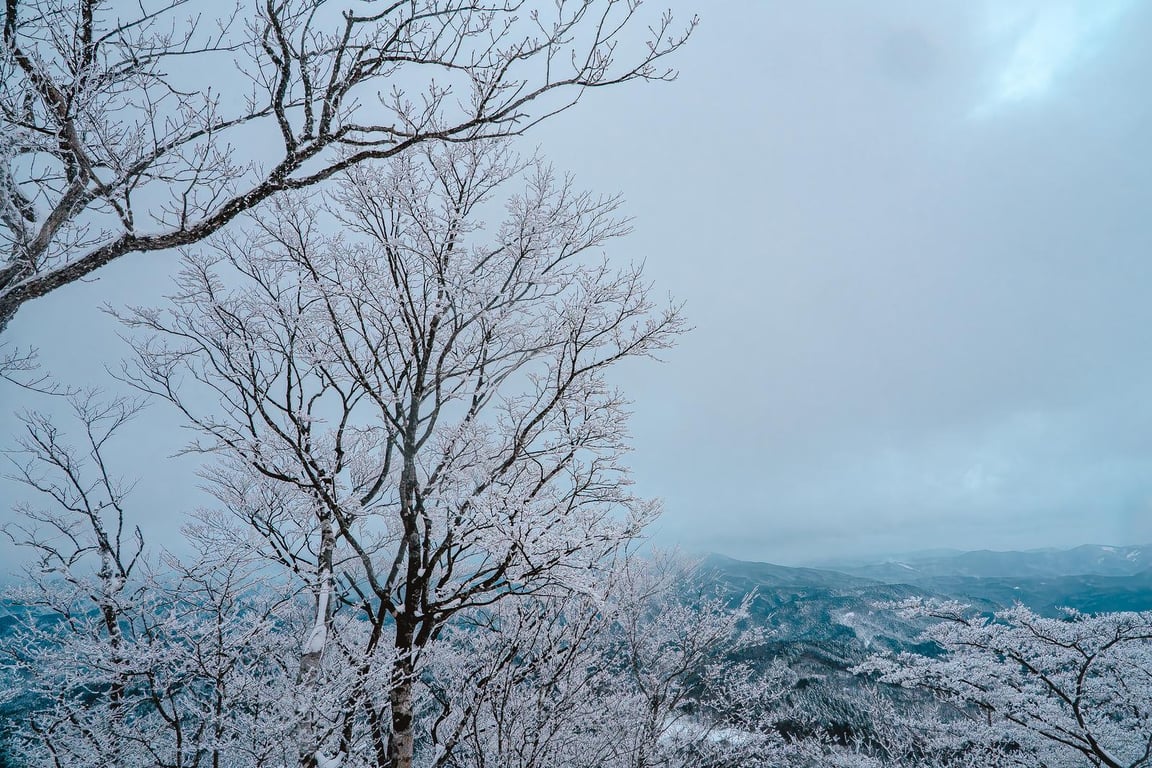
Of Japan's four beautiful seasons, winter, especially January, is a special season filled with unique charm. You can enjoy fantastical scenery that can only be seen in winter, such as historic temples covered in snow, hot springs with quiet steam rising from the water, and the majestic Mount Fuji, which can only be seen in the clear air.
However, for those visiting Japan in winter for the first time, the main concerns are likely to be the cold and what kind of clothes they should bring.
In this article, we'll explain in detail in gentle terms the characteristics of the weather in January, the temperature differences by region, and how to choose your clothes wisely, which is essential for a successful trip, so that you can fully enjoy the beauty of Japan's winter. Together with the Japanese spirit of "omotenashi" (hospitality), we'll help you make your trip the best memory you can have!
Japan is a long, narrow country stretching from north to south, so the weather varies greatly depending on the region. However, January is the coldest month throughout Japan.
Average temperature and perceived temperature
・Tokyo (Kanto region): The average high temperature is about 9°C to 11°C, and the average low temperature is about 0°C to 3°C. It is characterized by many sunny days and snowfall is rare. It is dry, but the perceived temperature can drop when the wind blows.
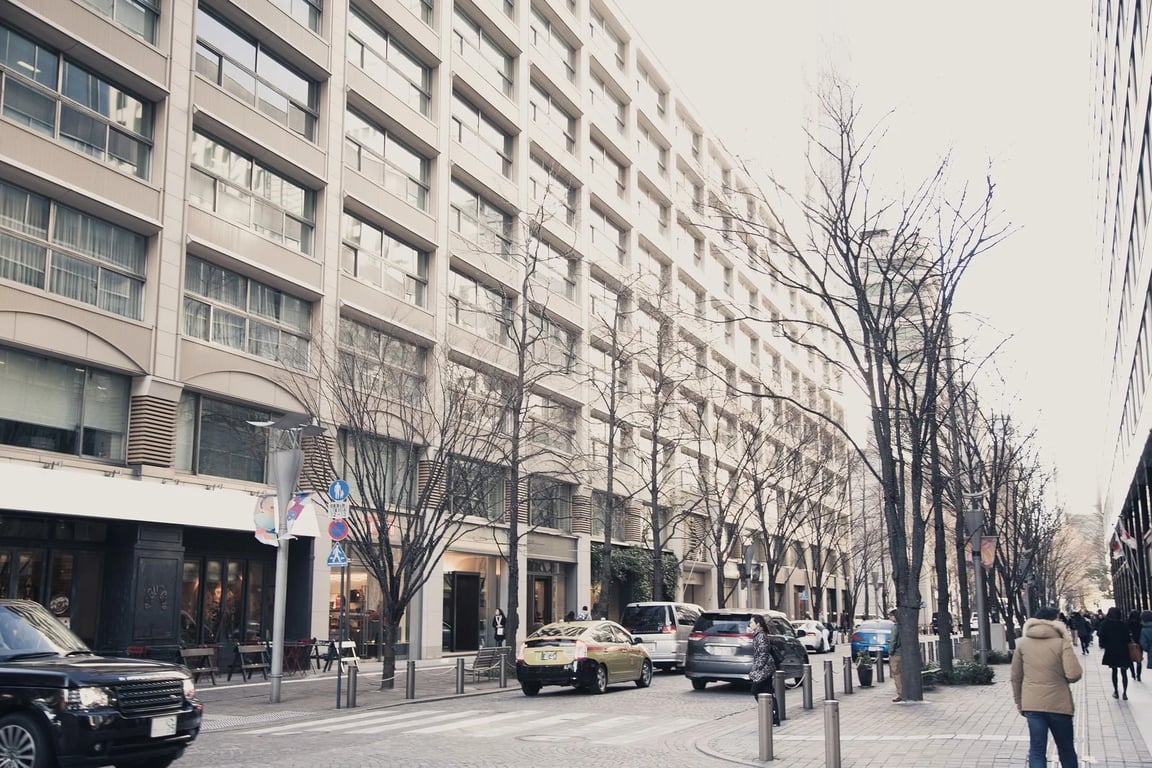
Also check out " 10 Things to Do in Tokyo (Asakusa), One of Japan's Top Tourist Destinations " https://tenposstar.com/ja/articles/r/2967
・Osaka and Kyoto (Kansai region): The average high temperature is about 8°C to 10°C, and the average low temperature is about 1°C to 4°C. Similar to the Kanto region, there are many sunny days, but Kyoto, being a basin, can be particularly chilly in the mornings and evenings.
Also check out " Osaka, the city of gourmet food! 8 Osaka gourmet dishes popular with foreign tourists " https://tenposstar.com/ja/articles/r/21
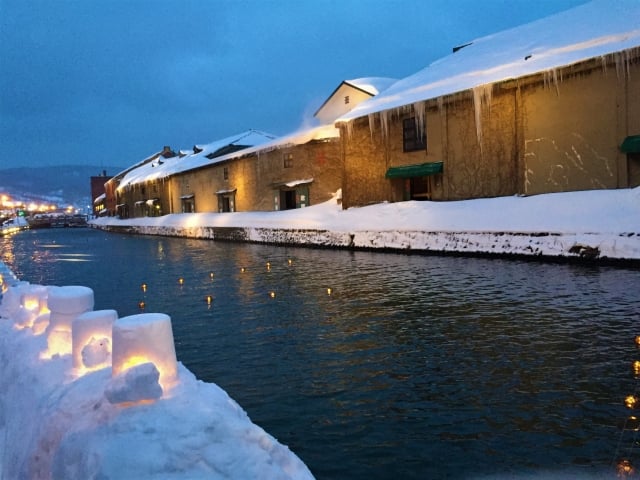
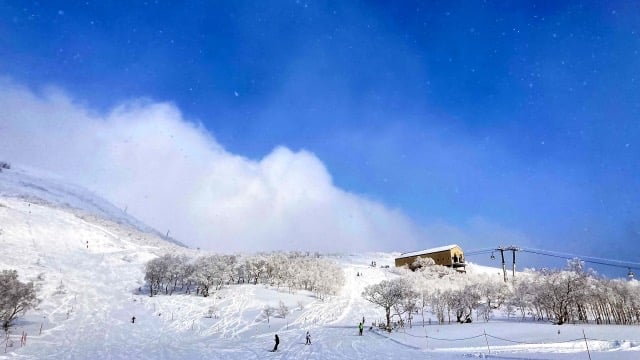
・Sapporo (Hokkaido region): The average maximum temperature is below freezing (minus), and the average minimum temperature is below -5°C. In January, the entire city is covered in snow. The average temperature is always below freezing, so proper cold weather gear is essential.
Also check out " A trip to Hokkaido to enjoy exquisite snow and food "
https://tenposstar.com/ja/articles/r/3870
・Kanazawa (Sea of Japan side): The average high temperature is about 5°C to 7°C, and the average low temperature is about 1°C to 3°C. When the winter pressure pattern is in place, it is often cloudy, rainy, and snowy. Unlike the Pacific side (Tokyo and Osaka), it is humid.
Things you need to know: Differences between the Sea of Japan side and the Pacific side in winter
Japan's winter weather varies greatly depending on the mountain range.
・Pacific Ocean side (Tokyo, Osaka, Fukuoka, etc.): There are many sunny and dry days when a "dry weather warning" is issued. There is almost no snow.
・Sea of Japan side (Kanazawa, Niigata, Akita, etc.): There are many cloudy and snowy days, so you can enjoy the scenery of "Snow Country," but you should also be aware of the impact of accumulated snow on traffic.
The key to a comfortable trip in Japan's cold winter is the "layering technique." Japanese buildings are well-heated, so it's very important to wear clothes that are easy to put on and take off.
The essential "three-layer structure" keeps you warm!
The most effective way to cope with the cold of Japanese winters is to wear three layers of clothing, known as a "three-layer structure."
The configuration is as follows:
Base layer (underwear): Its role is to absorb sweat and keep the body dry. Examples of this layer include functional innerwear such as Heattech or merino wool.
Mid-layer: Its role is to trap body heat and keep you warm. Examples of this include a thick sweater, fleece, or a light down jacket.
Outer layer (jacket): Its role is to protect against wind, rain, snow, and keep out the cold. Specific items include wool or cashmere coats and down jackets (preferably with a hood).
Details and advice for each item
Base layer (inner layer)
・Be sure to bring functional innerwear such as Heattech (famous at Uniqlo in Japan). This is also one of the "best items" for traveling to Japan in the winter. It dries quickly even if you sweat, and does not let body heat escape.
2. Mid-layer
- A light sweater or cardigan will keep you at a comfortable temperature when you take off your outer layer inside a building or on a train.
- In places where the heating is too strong, such as museums and department stores, you can stay comfortable by simply removing your outer layer and putting on this mid-layer.
3. Outer layer (your outermost layer)
A long down coat or a warm wool coat is essential. Long coats are especially effective in the chilly mornings and evenings in the Kanto and Kansai regions.
- Since you're traveling, it's even more convenient to have a lightweight down jacket that's easy to carry.
Don't forget! Small items
By warming the extremities of your body, the perceived temperature of your entire body will rise significantly.
・Scarf/snood: Just warming your neck will warm your whole body. Winter winds in Japan are cold, so a scarf is essential.
・ Gloves: Gloves that are compatible with smartphones are convenient.
・Hat and earmuffs: If you are going to snowy areas (Hokkaido or the Sea of Japan coast), a hat will be useful for keeping you warm and protecting you from the snow.
Socks: Wear thick wool or other warm socks. Clean socks are also important when stepping onto the tatami mats in a traditional Japanese inn.
・Disposable heating pads (stick-on type): These can be purchased cheaply at convenience stores and drugstores in Japan. Stick one on your lower back or stomach and you'll be amazed at how warm it will make you feel. This is another "trick item" for traveling in Japan.
When walking around tourist spots in Japan, especially in areas where it snows, it is very important to prepare your feet.
Shoes in cities (Tokyo, Osaka, etc.)
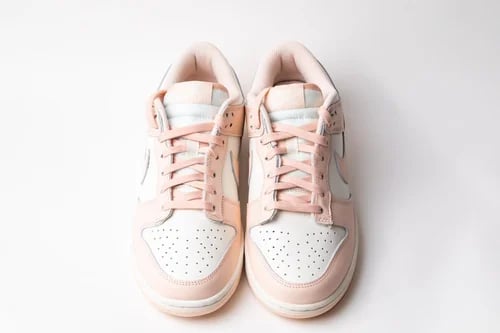
- Basically, waterproof boots with thick soles or sneakers with thick soles will suffice.
・You will be walking on stone pavement and in tourist areas with many stairs (e.g. Kyoto), so please avoid wearing high heels and prioritize comfort.
2. Shoes for Snowy Regions (Hokkaido, Tohoku, and the Sea of Japan Coast)
・You will definitely need winter boots that are warm, waterproof, and non-slip.
・Snowy roads are very slippery. Shoe stores and convenience stores in Japan sell simple anti-slip pads that can be worn over your shoes, so if you're worried about slipping, try using one.
It's cold in Japan in January, but it's precisely because of this cold that you can experience the charm of Japan on a deeper level.
Enjoying traditional New Year events
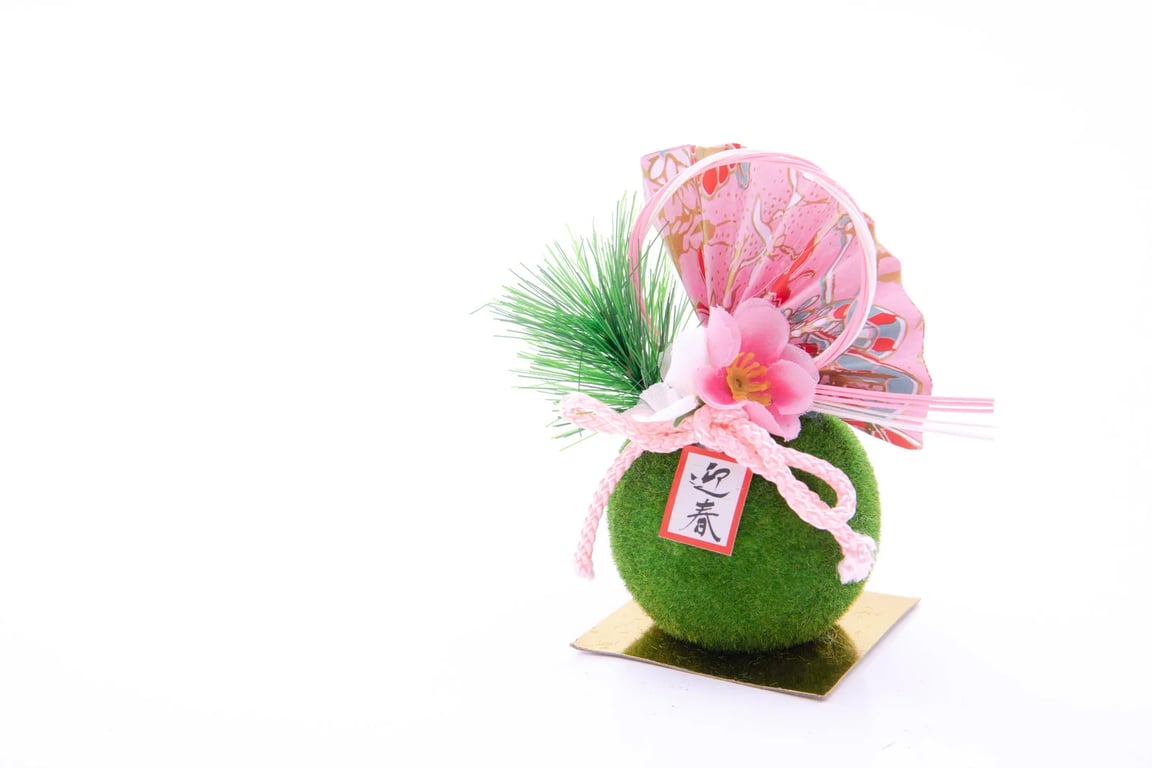
January is the New Year's season in Japan. Many temples and shrines hold a traditional New Year's event called "Hatsumode," attracting many visitors. In this quiet and solemn atmosphere, you can experience Japanese culture and the wishes of the people.
2. The ultimate hot spring experience
A trip to a Japanese hot spring is the best in the cold winter. Soaking in an open-air bath (rotenburo/outdoor hot spring) while it snows is truly an unforgettable experience. Hot springs that warm the body from the inside out not only relieve the fatigue of travel, but also allow you to experience Japan's beautiful nature with all five senses.
3. Winter flavors and warm dishes
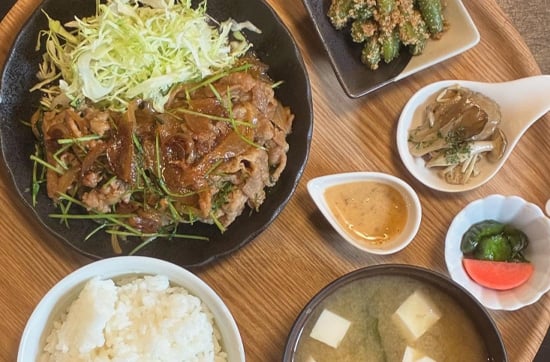
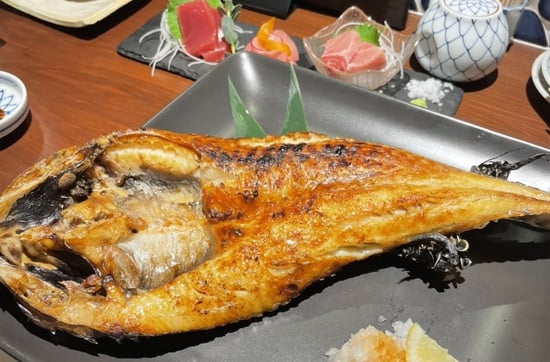
Japanese cuisine values the four seasons. In January, seafood such as crab and oysters are in season, and hot pot dishes that warm you from the inside out are especially delicious.
・Nabe (hot pot): The culture of eating together with family and friends around a hot pot is a symbol of warm communication in Japan.
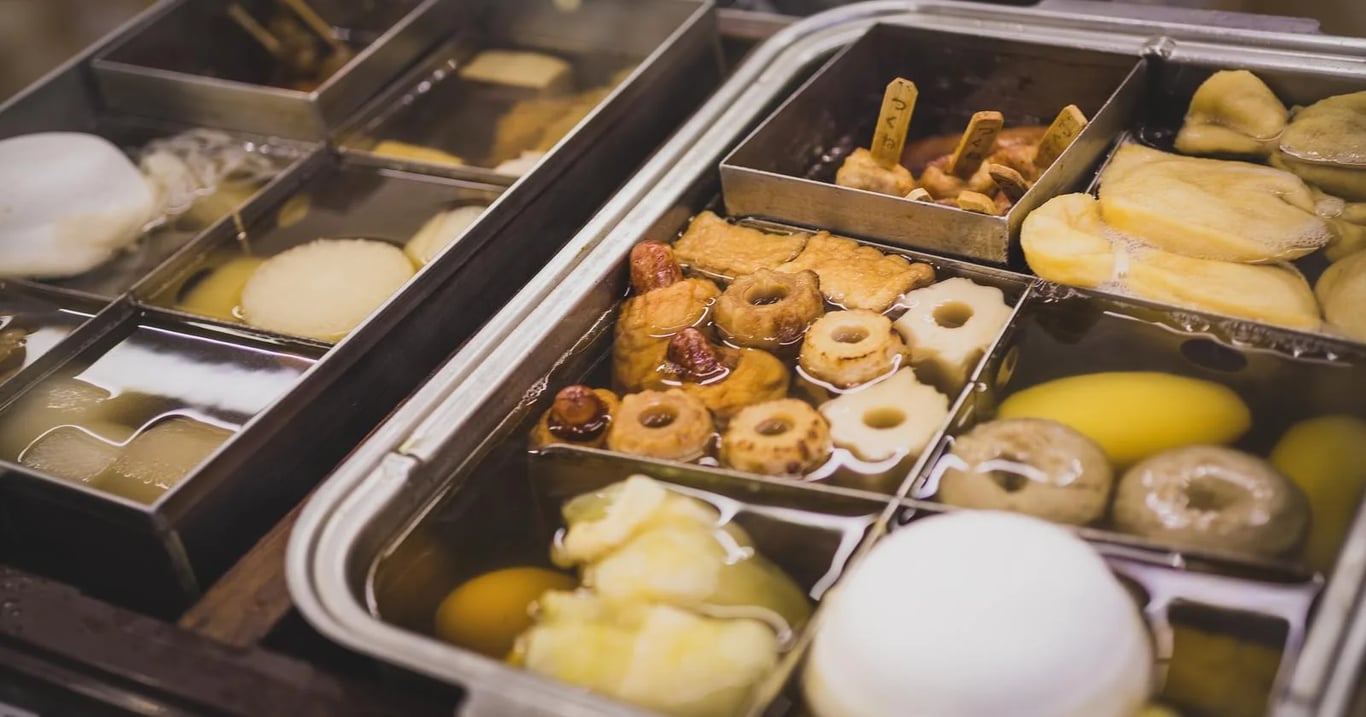
・Oden: This dish is made by simmering ingredients such as daikon radish and eggs in dashi stock, and is sold at convenience stores. Its gentle, refreshing taste is what makes it soothing to your chilled body.
・Atsukan: A style of drinking sake that has been warmed. On a cold night, drinking hot sake while enjoying the aroma of the sake is an exceptional experience.
4. Comfortable indoor facilities and hospitality
There are plenty of indoor facilities available in Japan during the winter.
・Art galleries and museums: You can take your time to experience Japanese art and history without worrying about the cold.
・Department stores and underground shopping malls: There are plenty of places to stay warm, eat delicious food, and enjoy shopping. Japanese people are ready to provide attentive "omotenashi" (hospitality) in terms of heating and service so that travelers can stay comfortable even in the cold.
If you take proper cold weather precautions, a trip to Japan in January can be more enjoyable and exciting than you'd imagine. Rather than worrying about the cold, think, "It's because of this cold that we can encounter such beautiful scenery and warm food." Use the clothing tips introduced in this article (especially layering and accessories) to be fully prepared and enjoy Japan's quiet and beautiful winter to your heart's content.