

In winter, Japan experiences a lot of snow, especially in the north. Rather than simply viewing this abundant snow as "cold" or "inconvenient," the Japanese have cultivated a culture of enjoying it as a "beautiful blessing of nature."
Typical examples of this are the "Snow Festivals" and "Snow Light Events" held all over Japan during the winter.
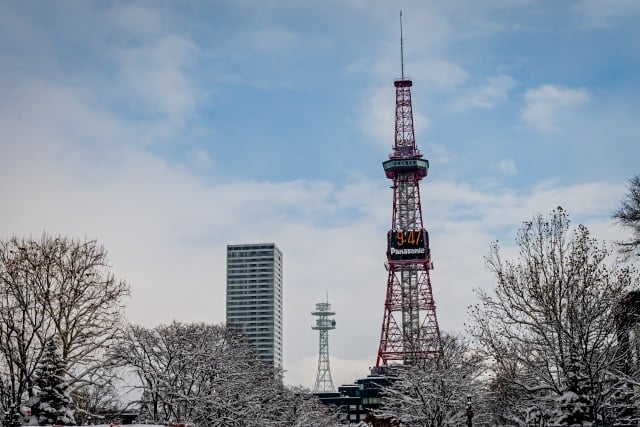
At the Snow Festival, you can see "ice art" such as gigantic snow sculptures several meters in height and fantastical ice sculptures carved from transparent ice. These are special winter experiences born from the beauty of Japan's nature and the high level of skill and hospitality of the Japanese people.
In this article, we will introduce information that will help you experience the charm of winter in Japan to the fullest, from events in Hokkaido, home to Japan's two major snow festivals, to historic festivals on Honshu.
The most famous and largest snow festival in Japan is the Sapporo Snow Festival, held every February in Sapporo, the prefectural capital of Hokkaido.
Scale: Massive snow and ice structures
The greatest attraction of this festival is its overwhelming scale.
Large Snow Sculptures: Giant snow sculptures over 10 meters tall are lined up in Odori Park in the center of Sapporo. Famous buildings from around the world and popular anime and game characters are beautifully recreated in pure white snow.
Citizen Snow Sculptures: There are many small snow sculptures made by local citizens as well as professionals, and the whole town is enveloped in a festive atmosphere.
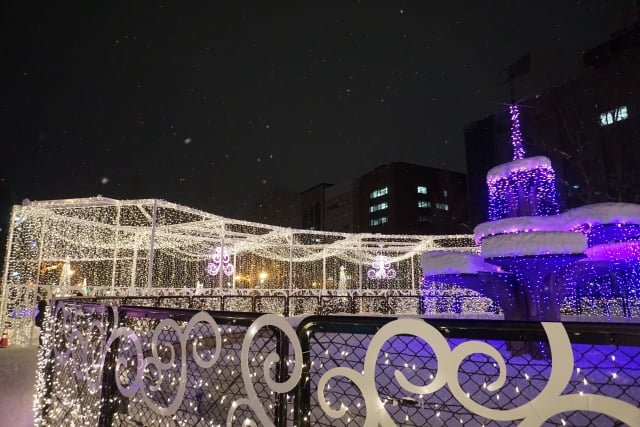
A fantastic night view: Light-up and projection mapping
The excitement of the Snow Festival deepens at night.
The giant snow sculptures are lit up with colorful lights, creating a fantastical look that is completely different from what they look like during the day. In recent years, "projection mapping," in which images are projected onto the snow sculptures, has also been held, creating a futuristic art experience as the snow canvas comes to life with light and sound.
Ice Festival: Susukino Venue
The Sapporo Snow Festival also has another important venue: Susukino, a downtown area in Sapporo.
Ice Sculptures: Here, sculptures made from transparent ice, rather than snow, are exhibited. You'll be amazed by the beauty of the ice, including fish and flowers trapped inside the ice, and animals and vehicles carved with exquisite detail, as well as the sparkle created by the reflection of light.
Reason for its appeal: Hokkaido is a region that receives a lot of snow. You can experience the positive and creative spirit of the Japanese people, who take advantage of this harsh natural environment and turn it into entertainment.
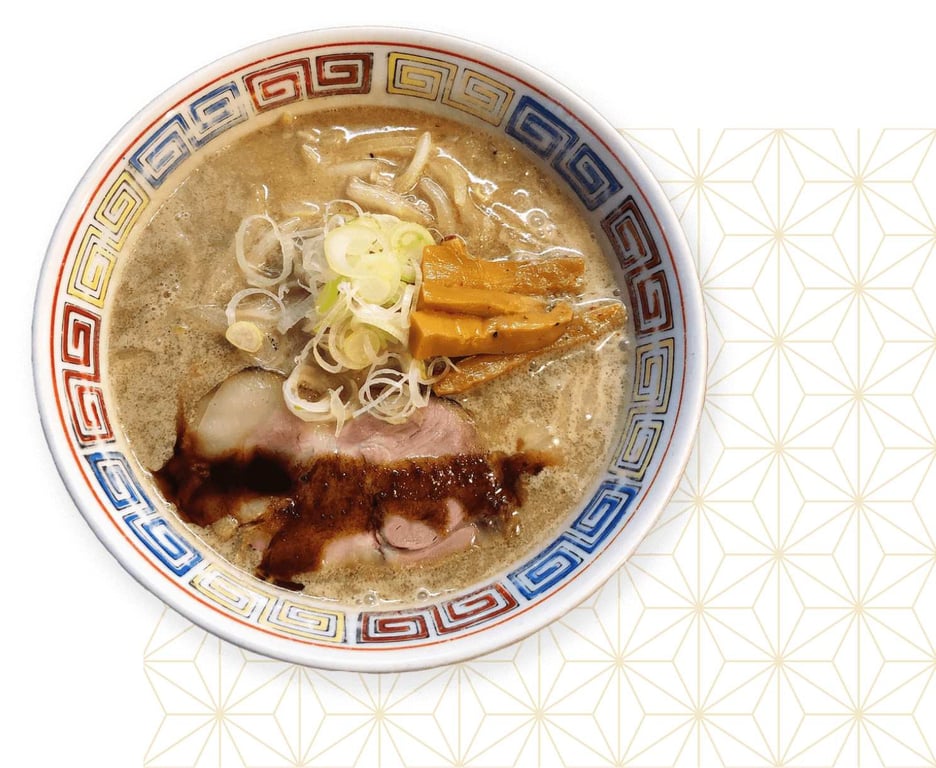
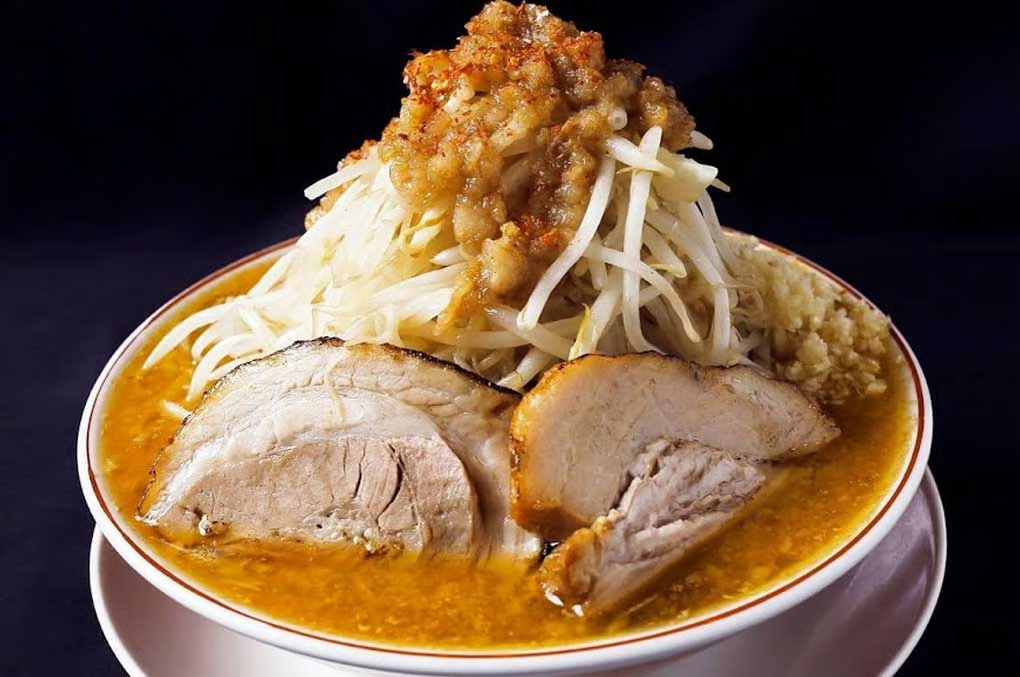
Sapporo Swine Research Institute
https://tenposstar.com/ja/merchant/65dd3c5a2d7a8
Snow festivals are not limited to Hokkaido. Honshu also has many unique snow-related events that are deeply rooted in the history and culture of each region.
The contrast of snow and fire: Yokote Kamakura, Akita Prefecture
The Yokote Kamakura Festival is held every February in Yokote City, Akita Prefecture, in the Tohoku region of Japan.
Kamakura: A kamakura is a small snow house made by packing snow into a dome shape and hollowing out the inside.
Traditional Scenery: At night, many kamakura (snow huts) appear in the streets of Yokote. Inside, children offer rice cakes and sweets to visitors, kindly calling out to them, "Please come in, Irittanse (Please come in)."
A heartwarming experience: Inside the kamakura, a small household altar is set up to worship the god of water. The warm space, with candle flames flickering in the snow, is a heartwarming experience that conveys the ancient customs of Japan's New Year (Koshogatsu).
A magical mountain village of snow and lights: Tokamachi Snow Festival in Niigata Prefecture
Tokamachi City in Niigata Prefecture holds a snow festival led by its citizens under the slogan "Make snow your friend and enjoy the snow."
Snow Carnival: A huge snow stage is created and a spectacular show is held.
Snow Art Exhibition: The snow sculptures created by local residents are of a high standard and are acclaimed as "art."
Kimono: Tokamachi is also the birthplace of kimono, a traditional Japanese woven fabric. The sight of people wearing beautiful kimonos standing in the snow is a wonderful sight, a perfect harmony of traditional Japanese beauty and winter nature.
The large snow sculptures are wonderful, but the charm of the Snow Festival also lies in the "lights" made from small pieces of snow and ice.
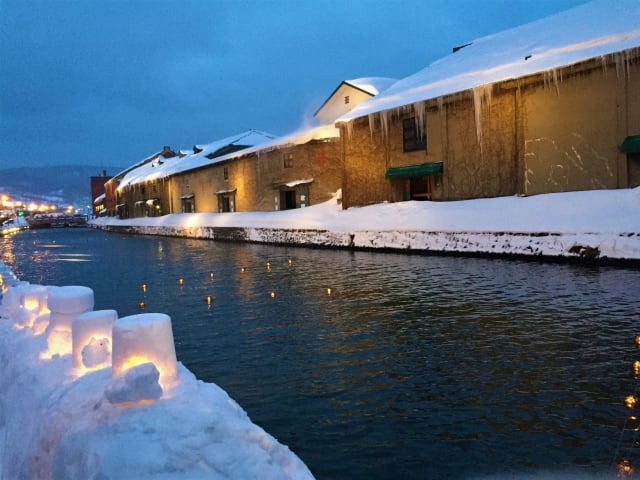
The glow of the Otaru Canal: Hokkaido's "Otaru Snow Light Path"
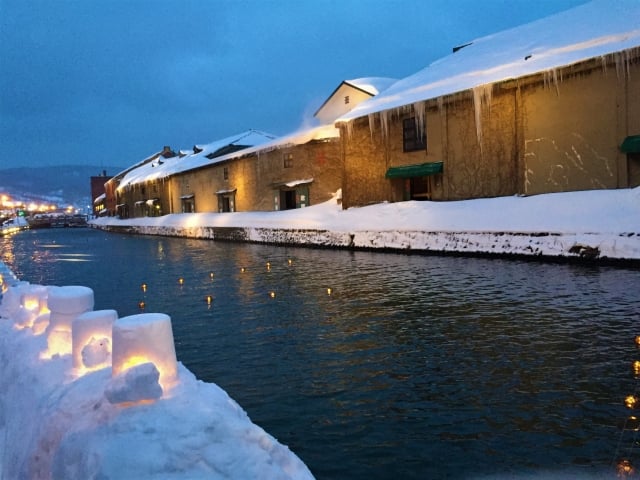
In Otaru, a port city in Hokkaido, an event called "Snow Light Path" is held every February.
Historical Buildings and Snow: Many small snow candles and lanterns made from snow are lined up along the Otaru Canal, where stone warehouses are lined up.
The warmth of handmade items: The way the candle flames softly shine through the snow and ice is very romantic. This event is handmade by local volunteers, and the "spirit of hospitality" is felt in every corner.
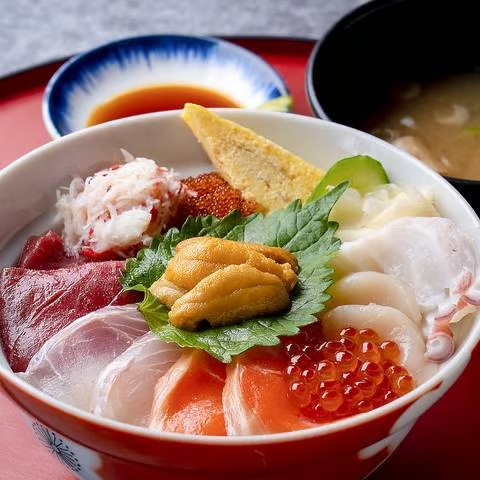
Otaru Seafood Red, Blue, Yellow
https://tenposstar.com/ja/merchant/65e6b14527536
Lights that illuminate hot spring towns: Other areas
There are also many other snow light events in areas where it snows.
Hot Spring Town: Taking a dip in a hot spring in the cold winter and watching the snow-covered lights from a warm inn is a luxurious experience that can only be experienced in Japan.
These "snow light" events symbolize the Japanese "aesthetic sense" of "still finding beauty and trying to light a light" even in the harsh cold.
Through these snow festivals, there are some charms of Japan that we would like foreigners who are interested in Japan to know about.
Attraction 1: Deep respect for nature and a spirit of coexistence
Snow can sometimes present challenges to us, but rather than viewing it as an enemy, the Japanese embrace it as a "gift from nature."
Rather than trying to melt the snow, they use it to create art and enjoy it as a festival, which represents the ancient wisdom of the Japanese people, who have lived in harmony with nature.
Charm 2: Amazing "technical skill" and "delicacy"
Creating gigantic snow sculptures and elaborate ice sculptures requires advanced skills and a keen attention to detail.
Preparations for the Snow Festival involve the cooperation of the Self-Defense Forces and the skills of professional sculptors. They carefully calculate how to transform materials such as snow and ice, which can easily crumble, into works of art in a short space of time. This "passion for craftsmanship" and "high level of technical skill" are some of the great attractions of Japan.
Attraction 3: The power of the local community that connects people
Much of the Snow Festival is made possible by the cooperation of local volunteers and local residents: children building snow huts, residents lining up snow lanterns, and technicians supporting the large snow sculptures.
They join forces in the cold winter weather to work towards a common goal. Festivals strengthen the bonds between local people and are an important place where people from all over the world are welcomed with a spirit of hospitality.
If you are planning to visit a snow festival in Japan, please be aware of the following points to ensure you have a safe and enjoyable time.
Cold weather precautions: It's really cold! A thick coat, gloves, hat, and scarf are essential. Make sure your shoes are waterproof and non-slip.
Time: The snow sculptures are beautiful under the blue sky in the daytime, but be sure to see them lit up at night as well. You'll be captivated by their fantastical beauty.
Transportation: The area around the venue will be very congested. We recommend using public transportation (buses and trains).
Japan's snow festivals transform the cold winter into the most beautiful and moving season of the year.
From the magnificent snow sculptures of Hokkaido to the heartwarming snow huts and snow lanterns of Honshu, you can encounter magical art woven from snow and ice in each location.
If you have the opportunity to visit Japan this winter, be sure to dress warmly and come and see the sparkling snow art. It is sure to leave a beautiful and warm memory in your heart, an experience that can only be had in Japan.
Also check out "5 Regional Sweets Only Available in Hokkaido and Tohoku Regions: A Guide for Souvenir Selection"
https://tenposstar.com/ja/articles/r/3869