


Japan is beautiful in every season and is a wonderful country to visit at any time, but if you want to enjoy Japan "smartly, affordably, and leisurely," February and March are the best time to visit. In this article, we'll explain in detail why traveling to Japan in February and March is recommended, the benefits of airfare and costs, and the charms of Japan that can only be experienced during this time.
February and early March are generally referred to as the "off-season" in the tourism industry, as winter holidays come to an end in many countries and people begin to get busy with new lives and work. However, for travelers, this period also represents a great opportunity.
Ticket prices:
Compared to the New Year's holiday season and the spring cherry blossom season (from late March onwards), many airlines offer cheaper airfares. Using low-cost carriers (LCCs) in particular can sometimes offer surprisingly good deals on flights to Japan. With the money you save, you can enjoy a slightly more luxurious meal or buy some nice souvenirs.
Easy hotel booking:
Because there are relatively few tourists during this time, you have a better chance of staying at popular hotels that are usually hard to get reservations for, or luxury inns that you've always dreamed of, at an affordable price. Another major benefit of this time of year is that it's easier to choose the room you want, even if you make a last-minute reservation.
Famous tourist spots in Japan, such as temples in Kyoto and Asakusa in Tokyo, are crowded with people all year round, but the number of tourists decreases from February to mid-March compared to other times of the year.
Experience Japan in a quiet space:
You can enjoy the historical buildings and beautiful gardens at your leisure without having to worry about crowds. When taking photos, it's difficult for other people to appear in the photo, so you can capture a special photo that's just for you.
Low latency:
Wait times at popular restaurants, museums, theme parks, etc. will also be shorter. You can use your limited travel time to enjoy yourself, rather than traveling or waiting in line. You may even be able to easily enter small shops loved by locals.
February and March are the end of winter in Japan and a time of dramatic change as spring approaches. There are many attractions that are unique to this time of year.
The beauty of snow and winter sports:
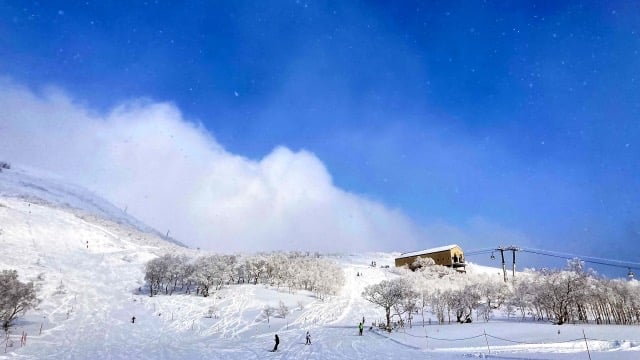
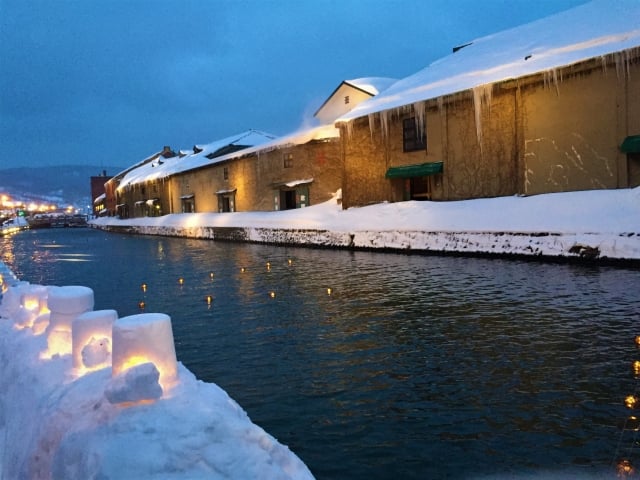
In areas such as Hokkaido, Tohoku, and Nagano, you can enjoy beautiful snowy scenery not only in February but also in March. If you want to enjoy skiing or snowboarding in search of Japan's powder snow, which is said to be the best in the world, March is actually the best month for this, as the cold weather eases and the chances of sunny days increase.
From plum to cherry blossom. Flowers herald the arrival of spring:
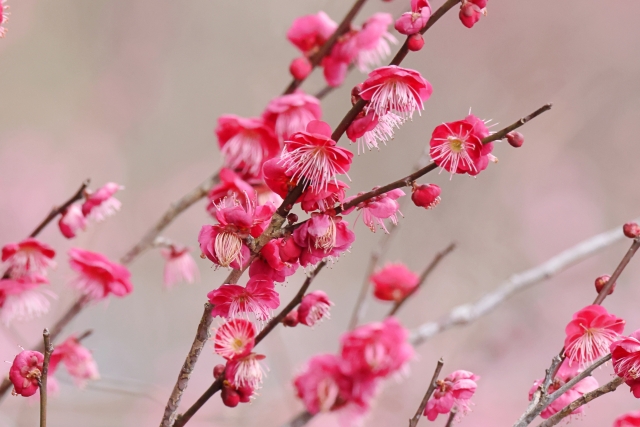
After mid-February, plum blossoms begin to bloom all over Japan. Plum blossoms bloom a little earlier than cherry blossoms, and have a very elegant fragrance, signaling the arrival of spring amid the cold winter. Furthermore, early-blooming cherry blossoms (such as Kawazu cherry blossoms) begin to bloom in March, and Somei Yoshino cherry blossoms begin to bloom from late March. This is the only time of year when you can get a head start on the colors of spring.
Clear winter air and Mount Fuji:
The air is very dry and clear from February to March, allowing you to see distant scenery clearly. This is the time of year when Mount Fuji in particular is most likely to be seen at its most beautiful. If you want to take photos with the pure white snow-capped Mount Fuji in the background, this is the best time to do so.
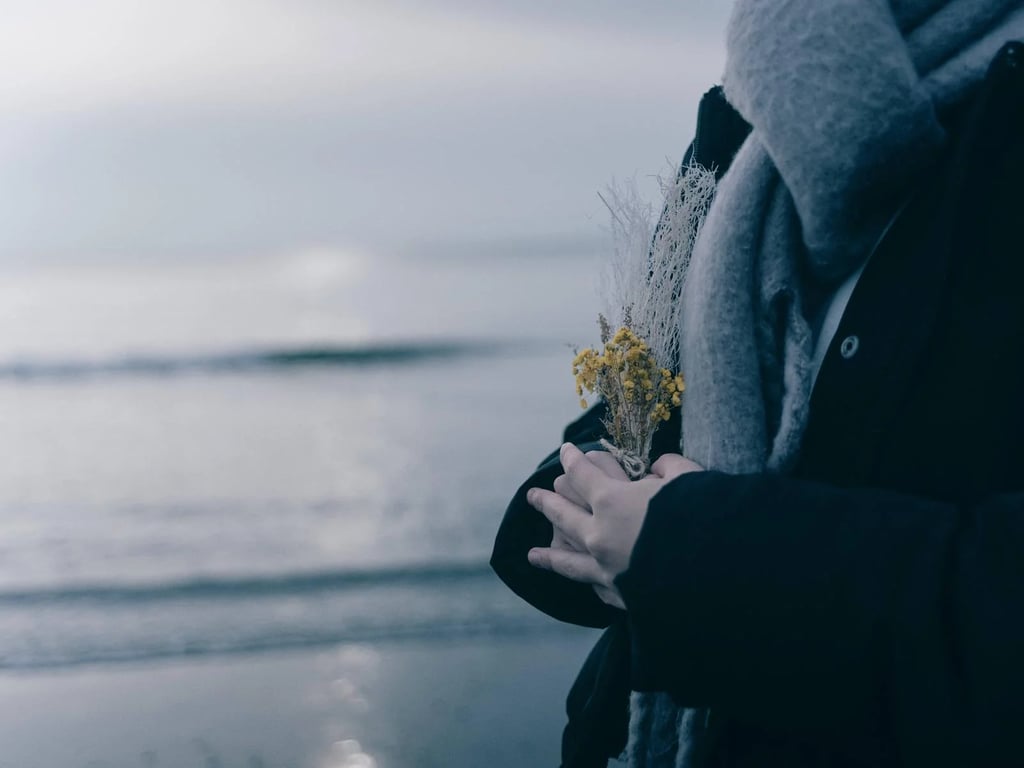
It is precisely during this cold season that the warmth of Japanese culture really touches the heart.
Relax in the hot springs:
The moment you soak your chilled body in a hot spring is truly a moment of bliss. In February, you can enjoy a "snow-viewing bath" while watching the snow, or in March, you can enjoy an "open-air bath" where you can feel the spring breeze. You will feel your body and mind warmed from the inside out, and the fatigue of your journey will be soothed away.
[Save this] What is Japan's oldest hot spring? A comprehensive explanation of Japan's three oldest hot springs and the oldest inn!
https://tenposstar.com/ja/articles/r/3267
Seasonal delicacies:
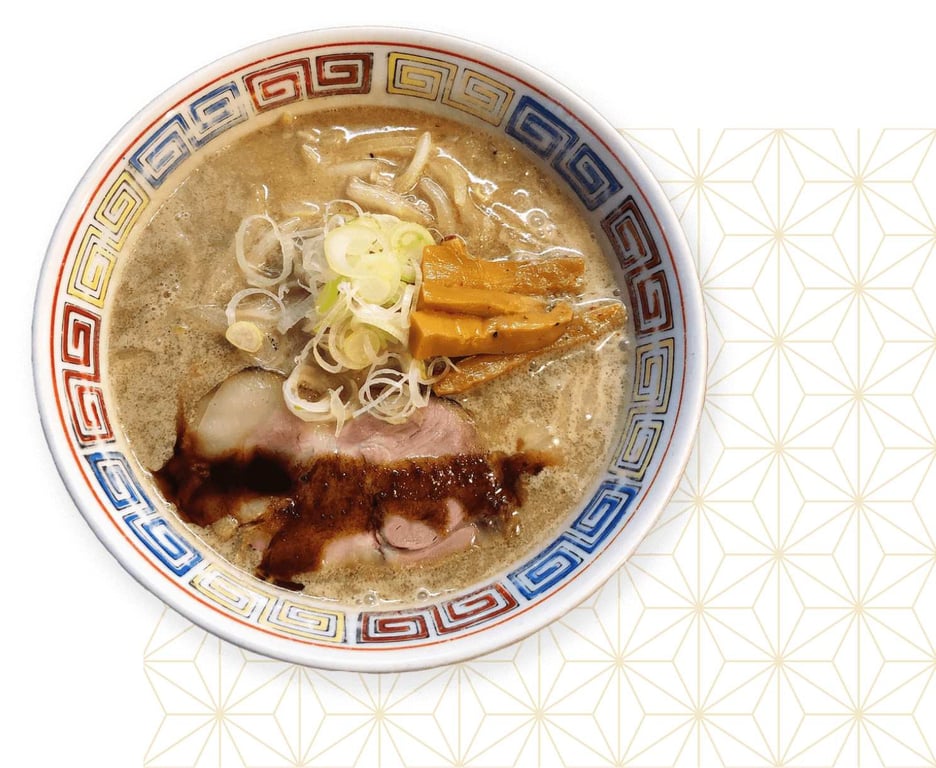
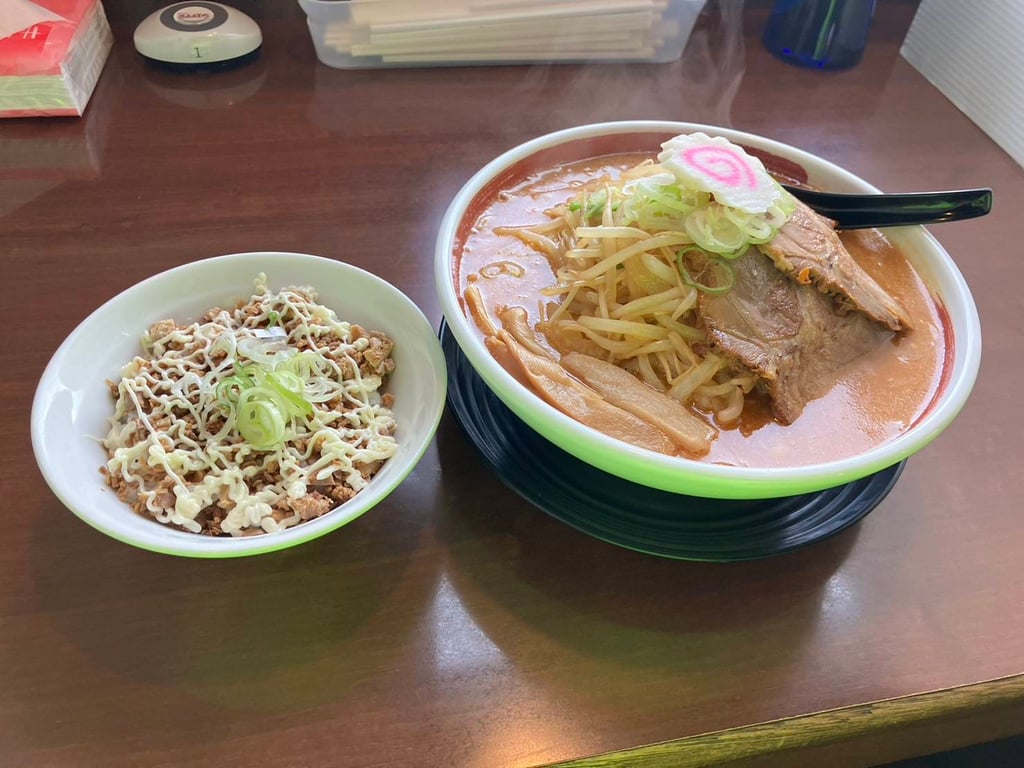
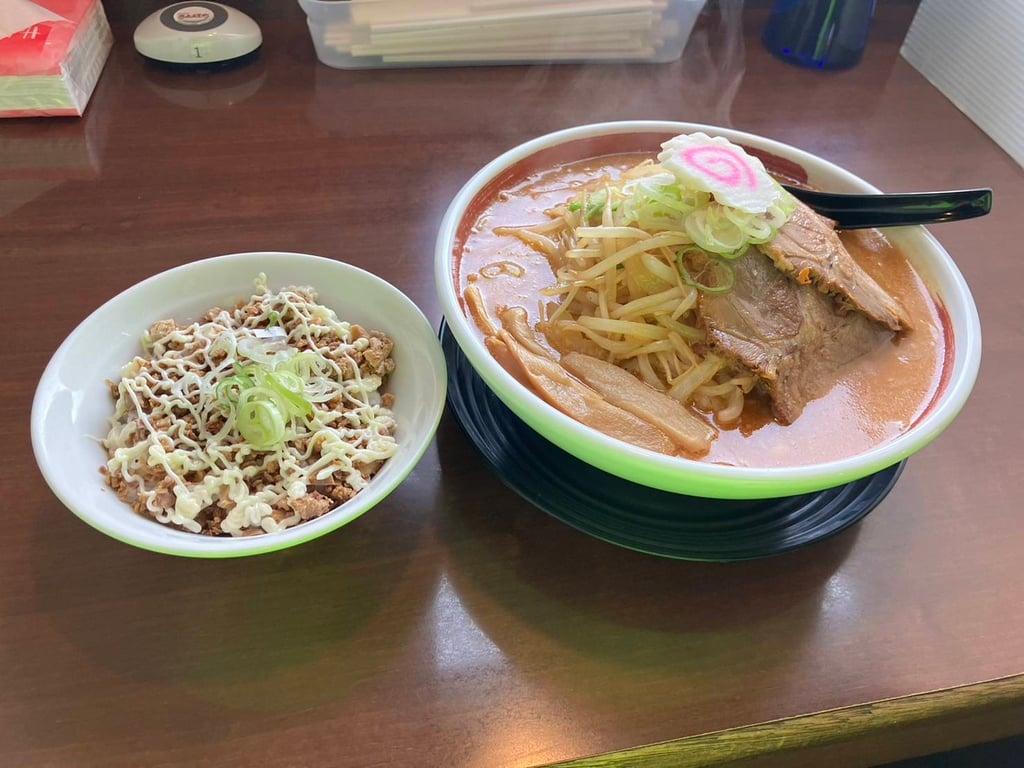
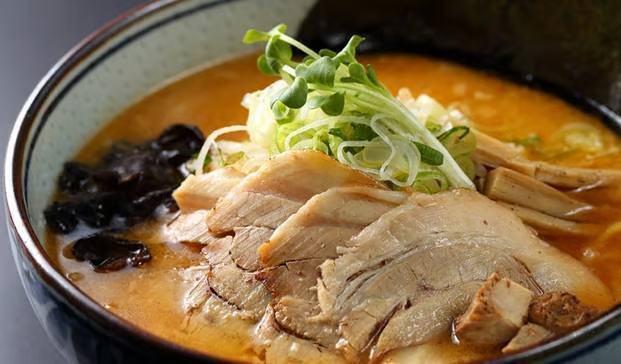
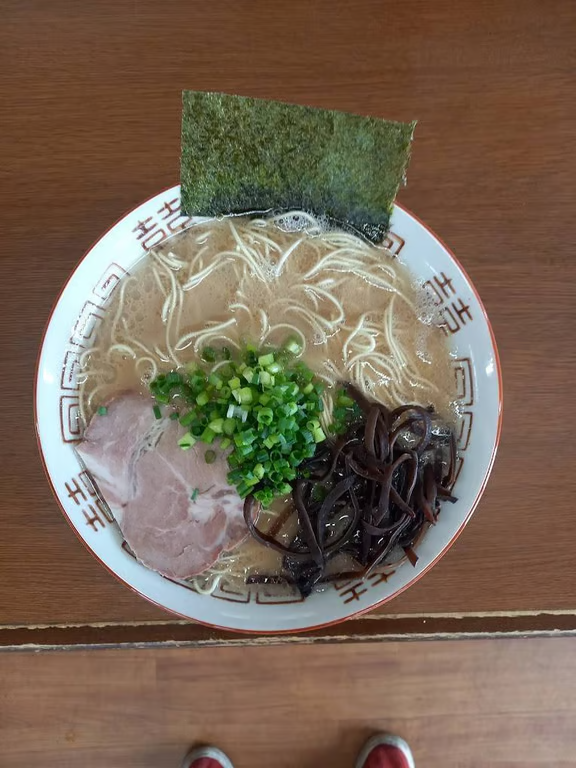
From February to March, seafood such as crab and yellowtail are delicious. Hot pot dishes, oden, and piping hot ramen are also great pleasures of this time of year.
Shirakaba Sanso New Chitose Airport store
https://tenposstar.com/ja/merchant/6625db3c07a64
Hakata Nagahama Ramen Moriya Matsuyama Airport Street Store
https://tenposstar.com/ja/merchant/6625db3c07a64
Be prepared with your outfit:
February and March in Japan are still cold, especially in the mornings and evenings. However, trains and buildings are well-heated. We recommend layering a thick coat with an easy-to-put-on cardigan or sweater.
Book early to save even more:
Even during the off-season, you can often get early bird discounts on flights and hotels by booking early.
Check out local events:
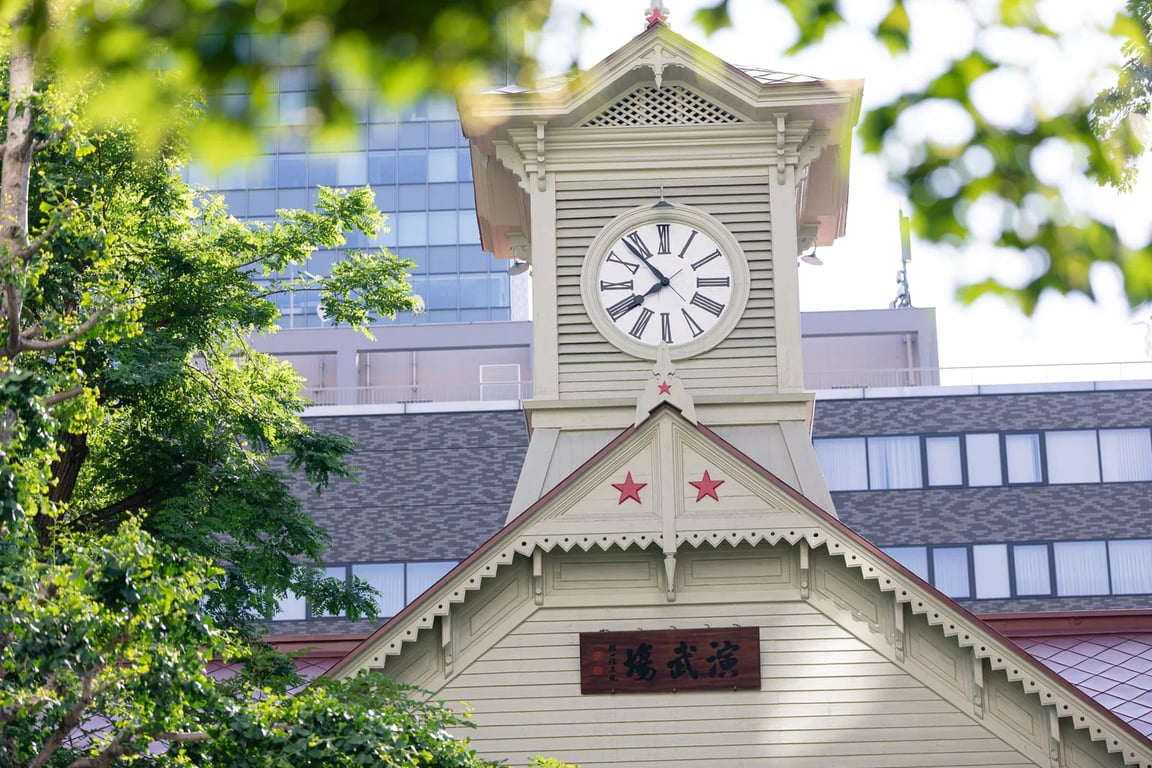
There are many attractive events held here, such as the Sapporo Snow Festival in February, the Hinamatsuri (Doll's Festival) in March, and the Plum Festivals in various regions. These are very popular, so if you are planning to visit an event, make your reservation early.

Japan in February and March is a time when airfares are cheap, crowds are sparse, and you can simultaneously experience the vestiges of winter and the arrival of spring. For the savvy traveler, it's like a special invitation to experience the true face of Japan at your leisure.
The gorgeous cherry blossom season is wonderful, but Japan at this time of year, as it quietly awaits spring, offers a serene beauty and gentleness unlike any other. Treat yourself to a little extra value and take advantage of the luxury of your time by traveling around Japan. The people of Japan will warmly welcome you with pure white snow, warm hot springs, and flowers beginning to bloom.