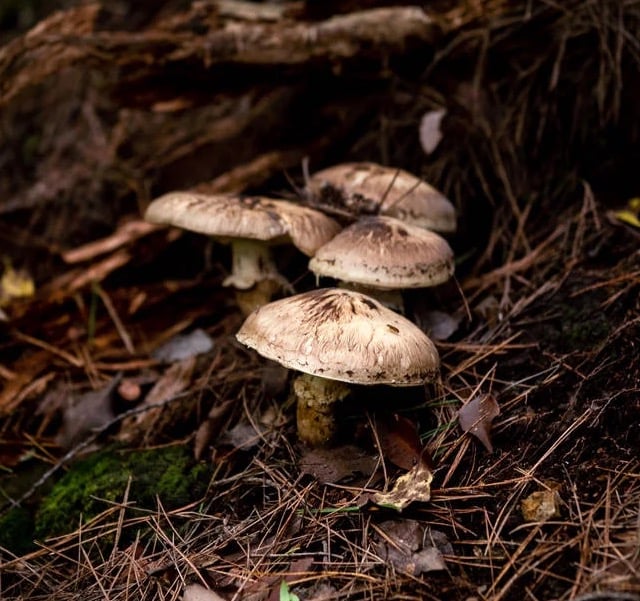


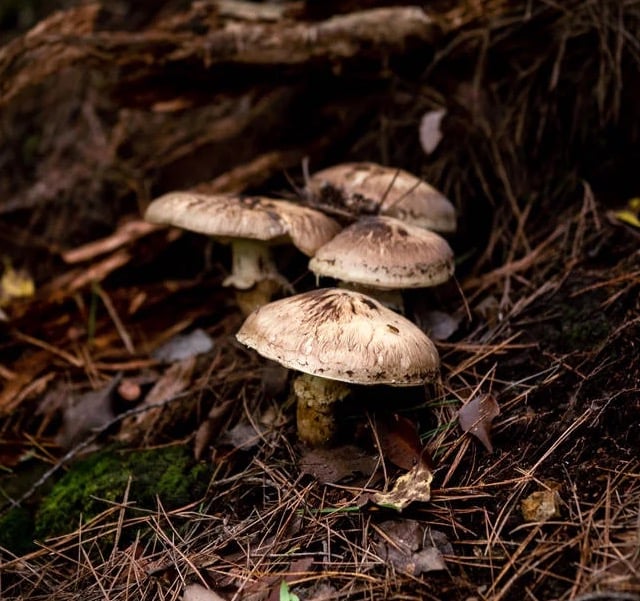
Mushrooms are one of the most representative autumn flavors. With their unique flavor, deep umami (umami), and diverse textures, mushrooms are an ingredient that can play a central role in cuisine not only in Japan but all over the world.
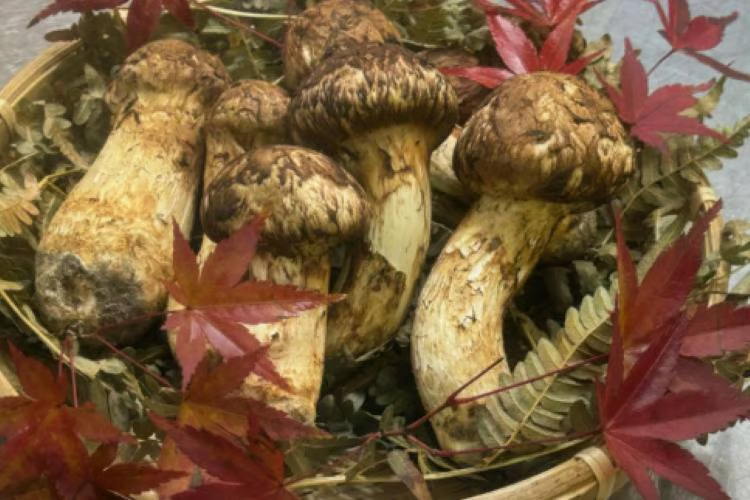
In autumn, markets are filled with a variety of mushrooms, including wild matsutake mushrooms, whose aroma and flavor will whet your appetite. Here we will introduce the appeal of mushrooms.
Mushrooms are a type of fungus
Mushrooms are often thought of as plants, but in fact they are not plants; they are classified as "fungi." Unlike plants, they do not perform photosynthesis, but obtain nutrients by breaking down decaying wood, fallen leaves, animal waste, etc. This function gives them a very important role in the forest ecosystem, and they are also known as forest cleaners.
Japan's mushroom-picking culture
In Japan, there is a culture of enjoying "mushroom hunting" in the fall. This is an activity where people go into the mountains to search for and harvest wild mushrooms. Mushroom hunting is a uniquely Japanese autumn tradition that combines the outdoor fun of hiking with the joy of tasting wild mushrooms that you have found yourself. However, as many mushrooms are poisonous, it is best to go with an expert or someone with experience.
"Autumn Fruit Picking Experience! Connect with Japanese Nature through Mushroom and Persimmon Picking" Please also check this out
https://tenposstar.com/ja/articles/r/3847
The secret behind mushroom umami: guanylic acid
One particularly important umami component found in mushrooms is guanylic acid. This is created when mushrooms are dried or heated, which breaks down the cells and activates enzymes, changing the components they originally contain. For example, this is why rehydrating dried shiitake mushrooms in water produces a delicious dashi soup stock packed with concentrated umami components. It is also known that guanylic acid synergistically enhances umami when combined with glutamic acid, the umami component of kelp, and inosinic acid, the umami component of bonito flakes. This is why mushrooms are such an important ingredient in Japan's traditional dashi culture.
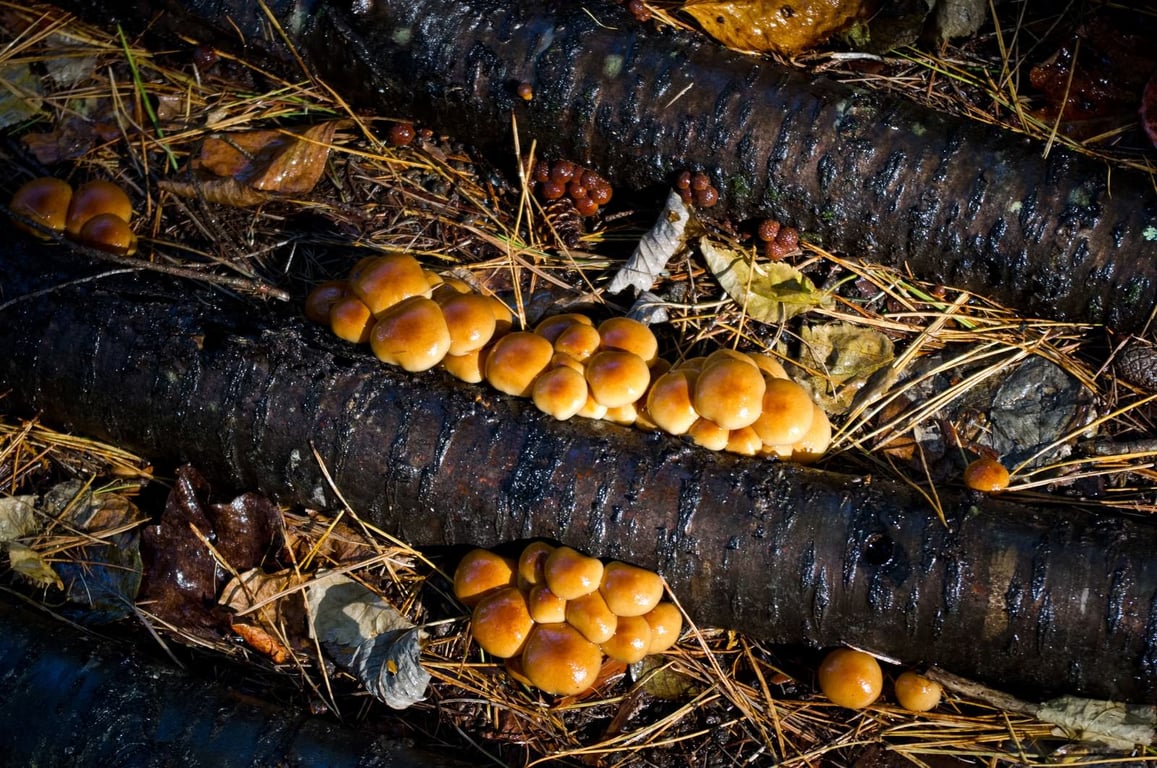
Mushrooms are not only low in calories, but also rich in nutrients that support our health.
Fiber: Many mushrooms are rich in fiber, which helps regulate your intestinal flora.
Vitamin D: Mushrooms are one of the few foods that provide vitamin D. Sun-dried mushrooms are especially rich in vitamin D. Vitamin D helps with calcium absorption and strengthens bones.
Beta-glucan: A component found in large amounts in shiitake mushrooms and maitake mushrooms, said to be useful in maintaining health.
Mushrooms are not only delicious, but each type has a completely different aroma, texture, and cooking method. Also, in Japan, each region has its own distinctive mushroom dishes. For example, mushroom soup and mushroom hotpot are winter staples in the Tohoku region, while oyaki made with plenty of mushrooms is a specialty of Nagano Prefecture. Mushrooms suited to the climate and soil of each region have shaped the food culture of that region.
In this way, mushrooms are not just a main ingredient in dishes, but are deeply connected to Japan's nature, food culture, health, and people's lives. By incorporating mushrooms into your autumn meals, you will be able to feel closer to Japan's deep food culture.
At specialty stores that specialize in different types and cooking methods of mushrooms, you can enjoy rare mushrooms that you won't find in regular supermarkets, as well as creative dishes that bring out the best in mushrooms.
【Tokyo】
MUSHROOM TOKYO - Harajuku/Omotesando
Special features: Japan's first mushroom specialty restaurant. Using only fresh domestic mushrooms, we offer creative dishes that expand the possibilities of mushrooms.
Shangri-La's Secret - Roppongi
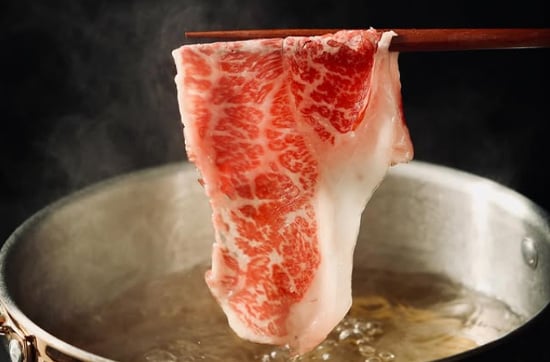
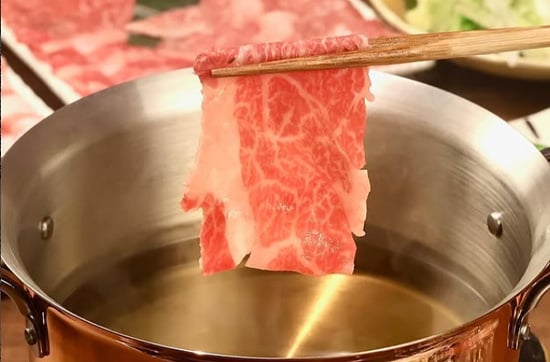
Speciality: This restaurant specializes in mushroom shabu-shabu, a local dish from Yunnan province in China. Enjoy shabu-shabu with carefully selected fresh mushrooms in a black soup called "Hojo Heitan," made by boiling over 30 kinds of dried mushrooms.
Mushroom Shabu-Shabu Course: Enjoy the taste of plenty of rare mushrooms in a rich, flavorful black soup that is healthy and based on the idea that food is good for you.
Picanti Sapporo Ekimae Store Premium Maitake Mushrooms (Aibetsu Yabe Maitake Farm) https://tenposstar.com/ja/merchant/6657fa396095e

Kaika Yabashira Branch Shiitake Mushroom and Bok Choy Soba https://tenposstar.com/ja/merchant/65b73d93f08aa


Mushrooms are not just delicious; they are deeply connected to Japan's rich nature, food culture, and people's health. The culture of venturing into the mountains to hunt for mushrooms, cooking methods to maximize their flavor, and regional cuisine that varies from region to region - all of these are born from the delicate sensibilities of the Japanese people, who cherish the blessings of nature and enjoy the changing seasons with all five senses.
This autumn, why not experience Japan's profound food culture by tasting mushroom dishes? New discoveries and impressions are sure to await you.