

Many people are fascinated by traditional Japanese culture, especially the world of sumo. In Tokyo, the capital of Japan, there is a place known as the center of this national sport: Ryogoku.
Ryogoku is famous for being the home of the Ryogoku Kokugikan, the sacred ground of sumo, but that's not all. The city is also known as the birthplace of the food culture that is inseparably linked to sumo, particularly chanko nabe. In this article, we will introduce the profound charm of Japan, particularly the connection between food and culture, through the experience of eating chanko nabe in Ryogoku.

The history of sumo, the national sport, and Ryogoku
Sumo is a traditional martial art that originated from an ancient Japanese religious ritual, and is now widely loved as the "national sport." Wrestlers, known as rikishi, compete in the sumo ring, captivating audiences with their strength and politeness.
Ryogoku has flourished as a center of sumo wrestling since the Edo period. Currently, around the Ryogoku Kokugikan, where the main sumo tournaments are held, there are many sumo stables where wrestlers live together and train. As a result, walking through the city you can often see large sumo wrestlers in yukata robes, making it a special place where you can get a firsthand feel for the daily life of sumo.
Cultural Attractions
In addition to sumo-related facilities, Ryogoku also has many places where you can experience Japanese history and culture.
Ryogoku Kokugikan: A magnificent building that houses a sumo museum and a shop, even outside of tournament season.
Edo-Tokyo Museum: Dynamic exhibits showcasing Tokyo's history and culture from the Edo period to the present day through models and documents. (Currently closed as of 2025)
Sumida River: Flowing on the east side of Ryogoku, you can enjoy sightseeing on a water bus or strolling along the river.
Ryogoku is not just a place to eat chanko nabe, it is also a fascinating area where you can experience Japanese history and culture with all five senses.
Now let's get to the main topic and take a closer look at chanko nabe.

The origin and definition of "chanko"
First of all, the word "chanko" refers to the entire meal eaten by sumo wrestlers in a sumo stable. In other words, "chanko" includes not only hot pot dishes, but also rice and other dishes. However, of all the different types of chanko, the most famous and representative dish is "chanko nabe," and generally speaking, when people say "chanko," they are referring to this hot pot dish.
There are various theories about the origin of the word "chanko," but one of the most popular is that the master of a sumo stable is called "chan" (father) and the disciple is called "ko" (child), and the master and disciple eat the hot pot together, so the name "chanko nabe" came about. Another theory is that it comes from the iron pot "chanko" (饎), which was introduced from China.
Characteristics of Chanko Nabe
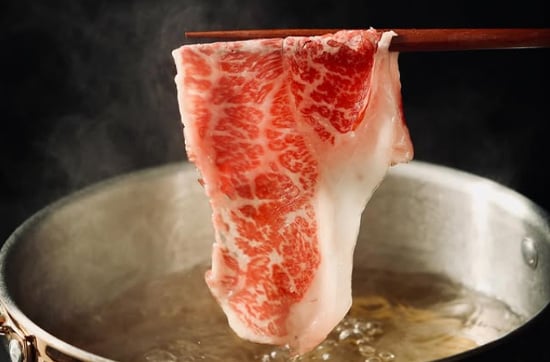
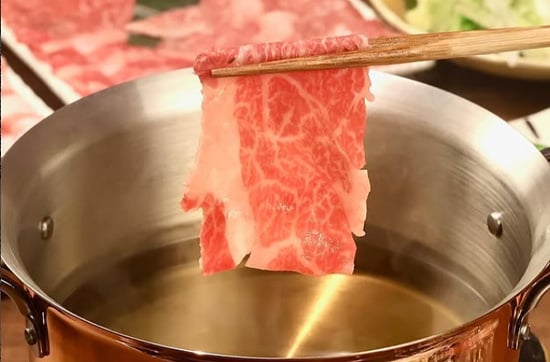
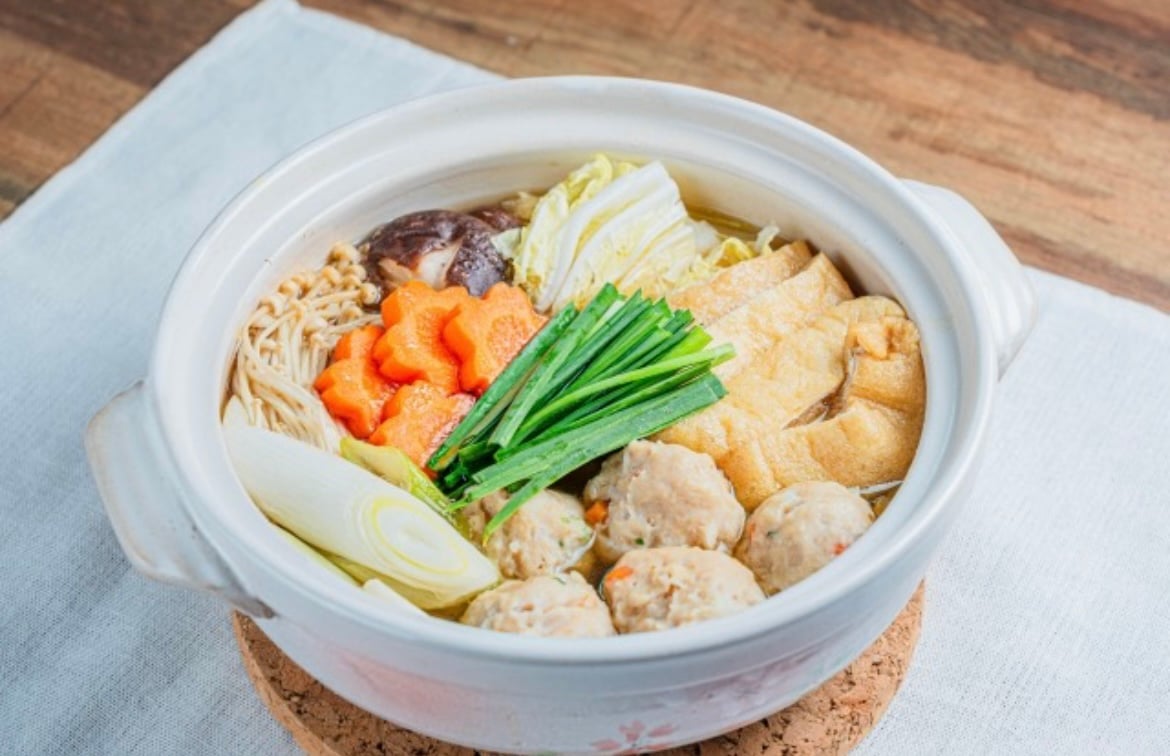
The biggest feature of chanko nabe is that there is no set recipe. It is basically made by adding a variety of ingredients such as meat, fish, vegetables, tofu, and mushrooms, and simmering them in broth. In sumo stables, it is a highly nutritious, filling dish with lots of ingredients, as it is eaten in large quantities to provide nutrients to the wrestlers' bodies after training.
The seasonings vary depending on the room and the menu of the day, and include soy sauce, miso, salt, mizutaki style, etc. A variety of ingenious ideas have been put into the food so that you won't get bored of eating it every day.

Why hot pot dishes?
There are several reasons why hot pot has become mainstream in sumo stables.
Efficient nutritional intake: By simmering a large amount of ingredients at once, you can easily consume a variety of nutrients in large quantities.
Efficient cooking method: For sumo masters who are busy with training and young wrestlers in charge of cooking (chanko-ban), hot pot dishes that can be made for dozens of people at once are very efficient.
Symbol of communal living: The act of everyone gathering around the same pot plays an important role in enhancing the sense of unity within the sumo stable community.
Chanko nabe is not just a dish, but a food that embodies the life of a sumo stable and the philosophy behind building a sumo wrestler's body.
Enjoy Chanko Nabe in Ryogoku! Recommended Experience
Enjoying chanko nabe in Ryogoku is one of the most intimate ways to experience sumo culture.
A store run by a former sumo wrestler
Many of the chanko restaurants in Ryogoku are run by retired sumo wrestlers and former sumo coaches, which is the biggest attraction of eating chanko nabe in Ryogoku.
Authentic taste: Chanko nabe is made by a former sumo wrestler who actually worked as a "chanko manager" in a sumo stable, faithfully recreating the traditions and flavors of the stable, allowing you to enjoy the "authentic" taste.
Sumo atmosphere: The interior of the restaurant is decorated with sumo-related photographs, ranking lists, and sumo wrestlers' handprints, making it feel like you're surrounded by the atmosphere of a sumo stable.
Interacting with former sumo wrestlers: If you're lucky, you might hear some valuable stories from the former sumo wrestler who owns the shop. The sight of these wrestlers serving customers with their large bodies is a sight you can only see in Ryogoku.
How to Enjoy Nabe and Japanese Hospitality

When you gather around a chanko nabe, be sure to experience the Japanese spirit of "omotenashi" (hospitality) and proper dining etiquette.
Gathering together: Hot pot is a meal that deepens solidarity and intimacy by sharing a single bowl with multiple people, symbolizing Japan's communal culture.
Savor the broth: In Japanese cuisine, dashi (broth) is the soul. Chanko nabe soup is like a "drinkable nutritional supplement" that infuses the flavors of the ingredients. Take your time to savor the rich flavor of the broth, which comes from the various ingredients.
Shime (finishing): After finishing the toppings, add rice or noodles to the remaining broth and eat it as porridge, udon, or ramen. This is the "shime" culture. Enjoying the broth to the last drop is a reflection of the Japanese spirit of "mottainai" (not wanting to waste anything) and gratitude towards food.
The chanko nabe experience in Ryogoku will be a valuable experience that will allow you to get a glimpse into the depths of Japanese food culture and the strict yet warm daily life of a sumo stable through a warm hot pot.
Chanko Tamakairyoku

Akasaka store
https://tenposstar.com/ja/merchant/66596e2cc062e
Ginza store
https://tenposstar.com/ja/merchant/66596e18a19f4
Location of Tokyo

The experience of enjoying chanko nabe in Ryogoku, Tokyo, is more than just a delicious meal.
This is because the traditional culture of sumo, Japan's national sport, the training and daily lives of sumo wrestlers, the nutrition that builds their bodies, and the community spirit are all condensed into one "pot."
The appeal of Japan lies not only in its luxurious tourist destinations and cutting-edge technology, but also in the deep history, culture, and philosophy that permeate its daily meals and lifestyles. Chanko nabe is a perfect example of this.
Please visit Ryogoku and gather around a warm chanko nabe, a dish beloved by sumo wrestlers and which has sustained them physically and mentally. You will surely be able to feel Japanese culture, the warmth of the people, and the spirit of the sumo wrestlers to the core of your being.
So, on your next trip to Japan, why not enjoy a truly satisfying bowl of ramen in Ryogoku, and say "Gottsuan!"?
Also check out "10 Things to Do in Tokyo (Asakusa), One of Japan's Top Tourist Destinations" ▼
https://tenposstar.com/ja/articles/r/2967