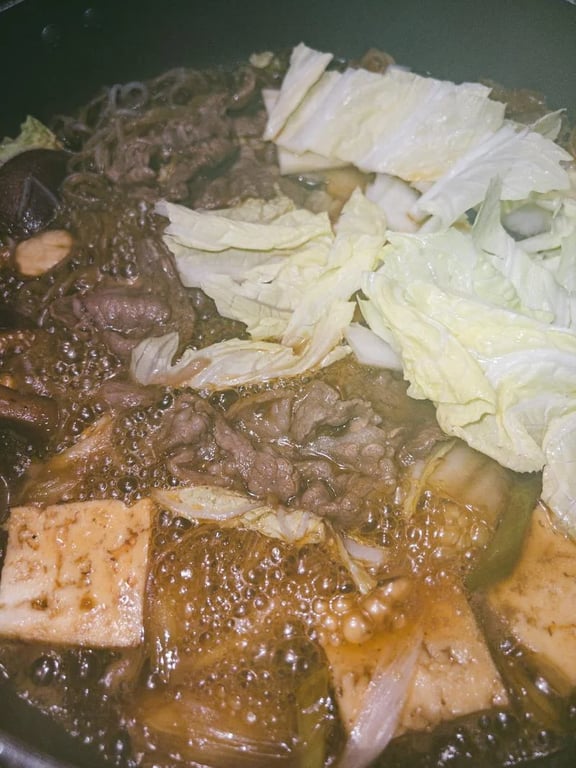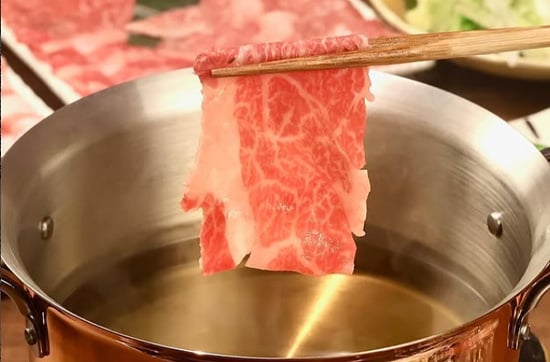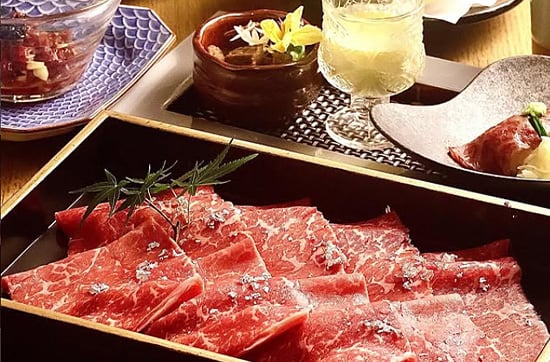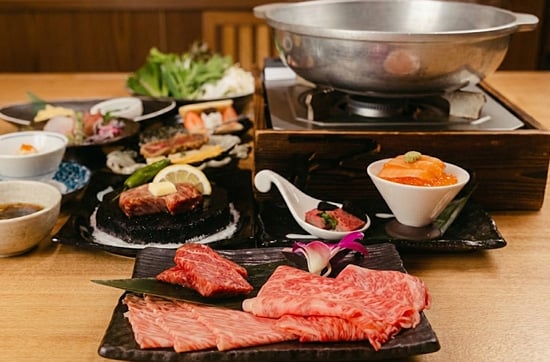
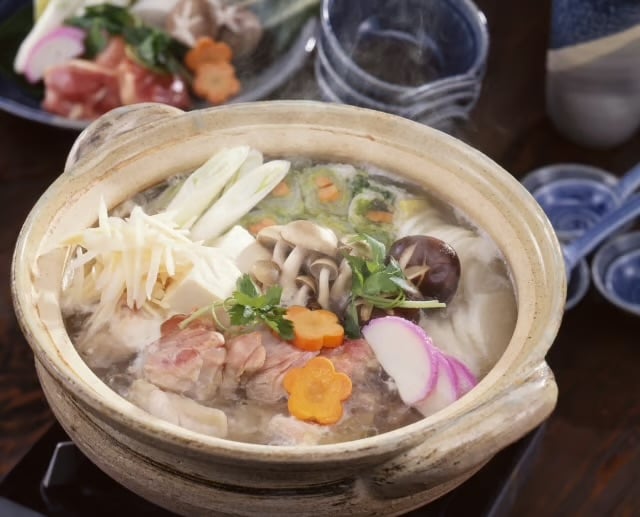


On a cold winter's night in Japan, family and friends gather around a table and poke around a large earthenware pot, steam rising from it.
This scene is synonymous with the Japanese winter dining table. Japanese "nabe cuisine" is not just a meal, but a "communal experience" in itself, where people gather together to share warm moments and delicious food.
However, there is a unique position at this warm dining table that may confuse foreigners: the "Nabe Bugyo."
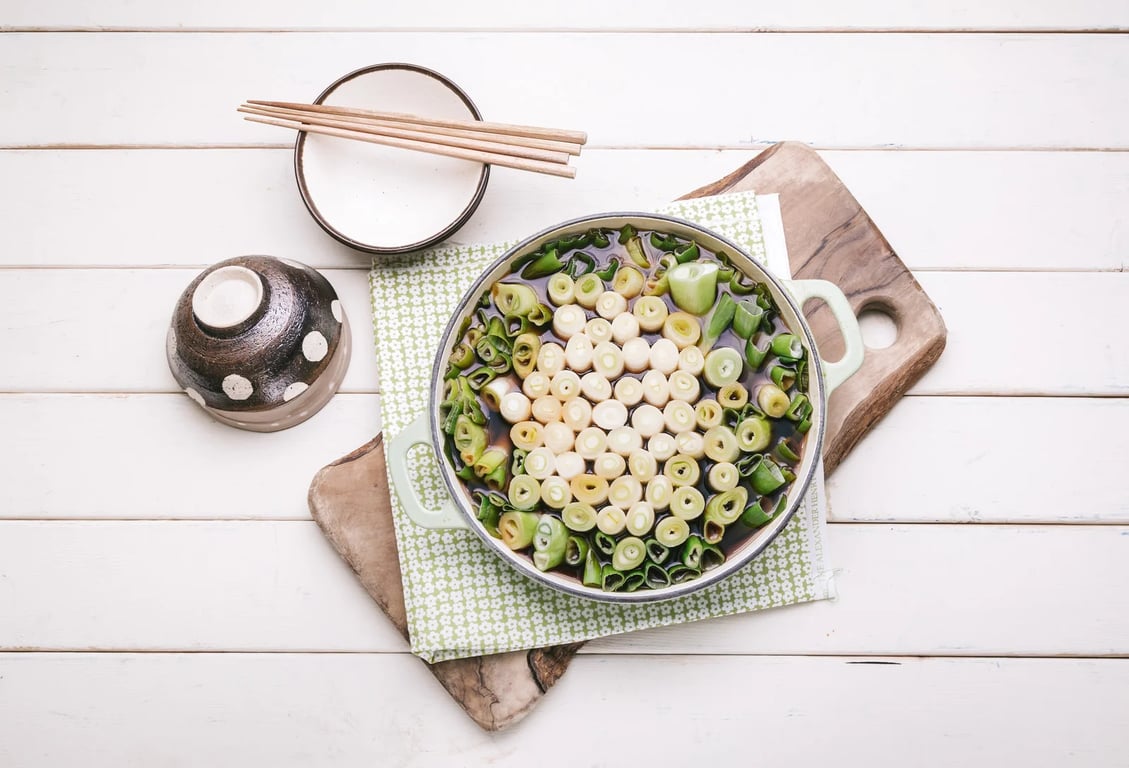
In this article, we will introduce table manners that are essential for enjoying Japanese hot pot cuisine to the fullest, the culture of the "nabebugyo" behind them, and the appeal of harmony within Japanese groups that can be seen from them.
The term "Nabe Bugyo" comes from the title of a position (bugyo) from the Edo period, and refers to the person who likes to control the flow of the hot pot at a hot pot dinner.
They act as if there are strict rules:
• Instructions on when to add ingredients: "Don't add meat yet" "Vegetables first"
• Heat control: "The heat is too high" or "It's not cooked yet"
• Eating time announcement: "Okay, now's the time to eat!"
The Nabebugyo are not malicious by any means. They are passionate about their mission to "enjoy the hotpot in the best possible condition and at its most delicious."
The existence of this "Nabe Bugyo" illustrates how Japanese hot pot cooking is a collaborative effort and a culture that strives for the highest level of perfection. It is a humorous expression of the Japanese spirit of harmony and consideration, where everyone wants to share a delicious moment at the same time with perfect timing.
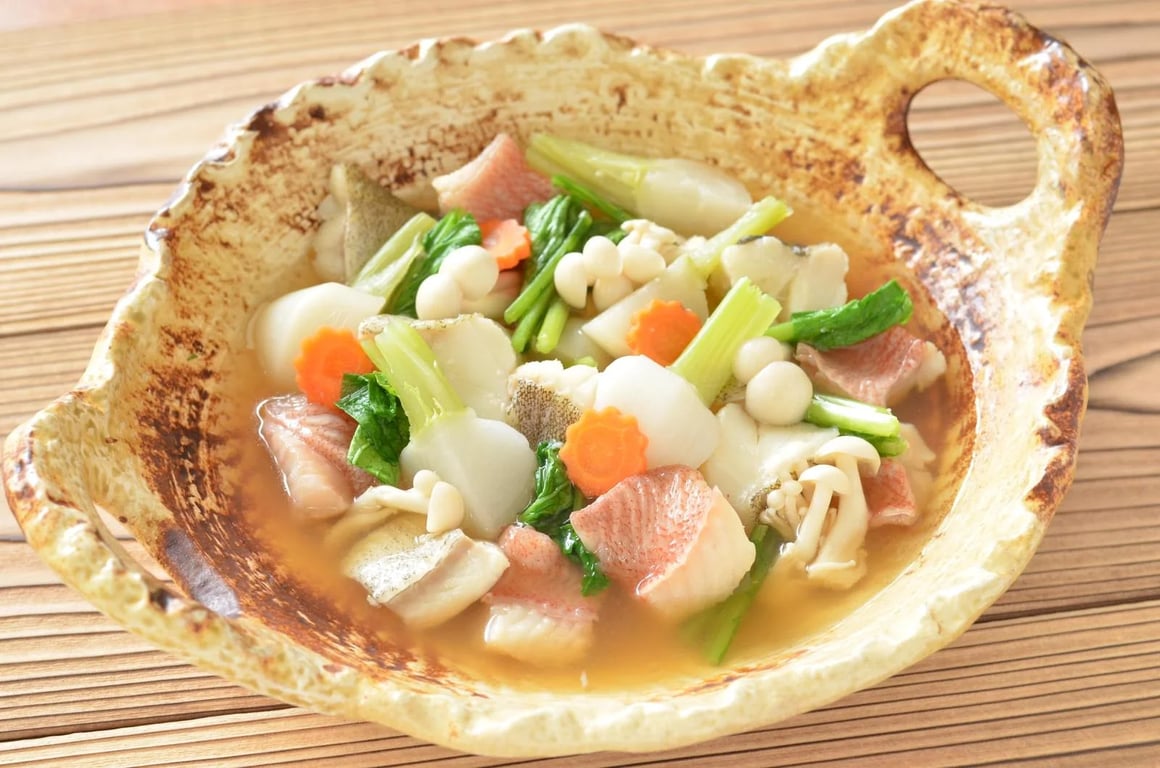
Hot pot cooking may seem like a free-for-all, but there are actually a few unspoken rules to prevent the emergence of a "nabe magistrate" and to ensure that everyone can enjoy themselves. If you understand these, you'll be able to enjoy Japanese hot pot culture smoothly.
Rule1 : Use chopsticks other than your own to serve food.
One of the most important etiquette when eating hot pot is to avoid using chopsticks directly.
• What is "chokashi"? Using your own chopsticks to pick up food from a pot.
• Why is it avoided? For hygiene reasons, it is considered rude to touch a shared pot with chopsticks that you have already touched.
• What should you do? When eating hot pot, chopsticks specifically for serving (saibashi) are provided. Use these to serve food onto your small plate. If you don't have saibashi, it's common to turn your chopsticks upside down (sakasabashi) and use the one that isn't touching your mouth to serve food.
Rule2 : Eat what you put on your own plate
Avoid eating directly from the pot. To prevent the food from getting too hot and to avoid disrupting the pace of the entire pot, you should first transfer the food to a small plate (torizara) prepared in front of you before eating.
The proper way to eat it is to place the ingredients along with the soup on a small plate and add your favorite sauces and condiments.
Rule3 : The timing of investment is "cooperation" and "consultation"
When adding new ingredients to a hot pot, it is good manners to check with those around you, "Is it okay to add this?", rather than just adding a large amount without permission.
• Don't add too much at once: The temperature of the pot will drop, the cooking time will be longer, and others will have to wait.
• Be gentle with ingredients that crumble easily: Ingredients that crumble easily, such as tofu, need to be cooked gently, such as by placing them quietly near the edge of the pot.
• Remove scum diligently: The scum that forms from meat and fish can affect the appearance and taste. It is an important role of the pot master to carefully remove it using a special net (scum skimmer), but it is also appreciated if someone who notices this helps out.
Rule4 : Declare what you want to eat first
The ingredients in the pot are meant to be shared by everyone. If there is an ingredient you really want to eat (especially if there is only one), you can avoid fighting over it later by casually saying "I'll have this" before the pot starts to boil.
The charm of Japan seen through its hot pot culture
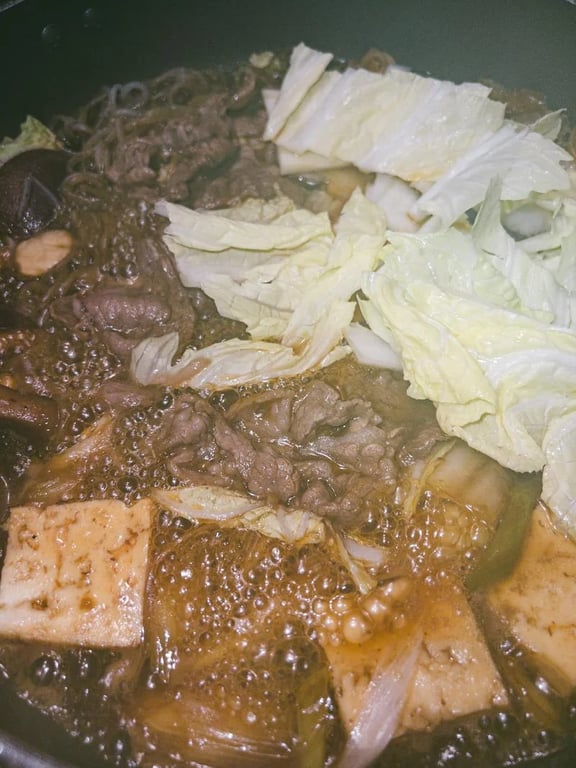
Why do the Japanese create so many unspoken rules and "bugyo" (magistrates) for the communal meal of hot pot? This lies a fascinating side of Japan from the perspective of foreigners.
Charm 1: The emphasis on unity and togetherness
Hot pot cooking is an activity that involves sharing a strong sense of unity: "enjoying the same food at the same time, and enjoying it together."
This is deeply connected to the uniquely Japanese culture of valuing unity and harmony within a group. The time spent around a hot pot is more than just a meal; it is a time for heart-to-heart communication.
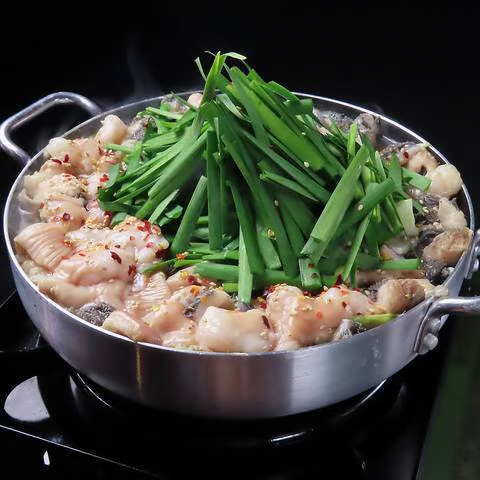
Suehiroya Motsunabe Haruyoshi Branch
https://tenposstar.com/ja/merchant/66596d584a34b
In a sense, the actions of the "Nabebugyo" are the ultimate example of "hospitality."
Rather than being motivated by their own desire to eat, they are driven by a spirit of service, wanting to "serve everyone in the best possible condition." The Bugyo is the "host" in charge of managing the quality of the entire pot, and at the heart of this is a sincere consideration for the guests.
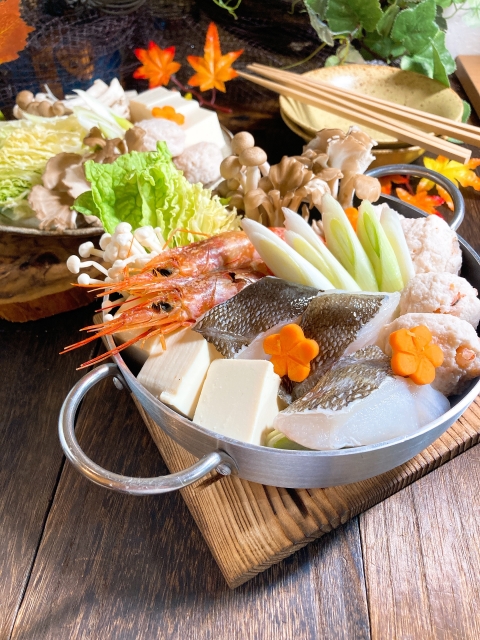
The best part of hot pot cooking is enjoying the process of the flavor gradually deepening.
• First: Enjoy a simple broth made with seafood or meat.
• Middle: The vegetables are simmered, adding sweetness and umami.
• Finally: Enjoy the rice porridge and noodles as a final dish in a soup that has absorbed the flavors of all the ingredients.
The detailed instructions of the Nabebugyo are a delicate Japanese technique for controlling these "stages" of changing flavors and enjoying the dish at its best from start to finish.
The culture of "shime" (finishing off): Japanese wisdom of enjoying food until the very end
In Japanese hot pot dishes, the climax comes after all the ingredients have been eaten, with the final dish being "shime."
The remaining soup (dashi) is a "treasure" that contains the concentrated flavor of all the ingredients. Add carbohydrates such as rice, udon, or ramen to this soup and enjoy it to the fullest until the very last drop.
• Rice porridge: Add rice, season with soy sauce and salt, and pour in beaten eggs.
• Udon/Ramen: The noodles that have absorbed the soup are exceptionally delicious.
This "shime" culture represents the Japanese spirit of "mottainai," which means the wisdom to cherish resources and blessings until the very end, and a deep gratitude for food.
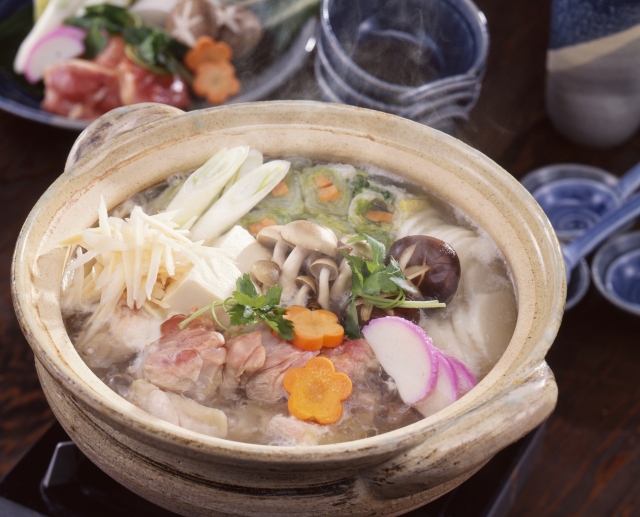
Japanese hot pot cuisine may have a humorous presence called the "nabe magistrate" and many unspoken rules, but at its core is the extremely simple and human desire to "share a warm moment together."
If you are seated at a Japanese hot pot dinner, take a moment to observe the behavior of the people around you. You will surely notice someone using chopsticks to serve the ingredients, or someone carefully skimming off the scum.
This kindness and consideration is the essence of Japanese food culture and the "spirit of harmony" that is so important to Japanese society. Come experience this "culture of harmony" as you gather around a steaming hotpot during Japan's cold winter.
"There's a hotpot like this?! Introducing Japan's local hotpots!" Also check this out ▼