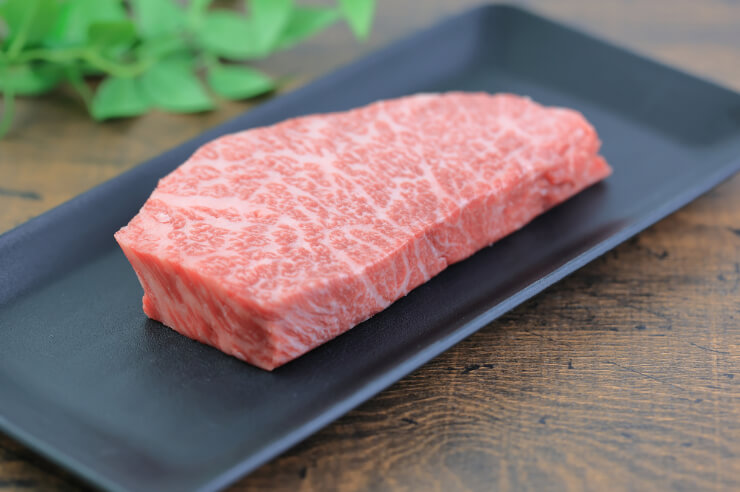
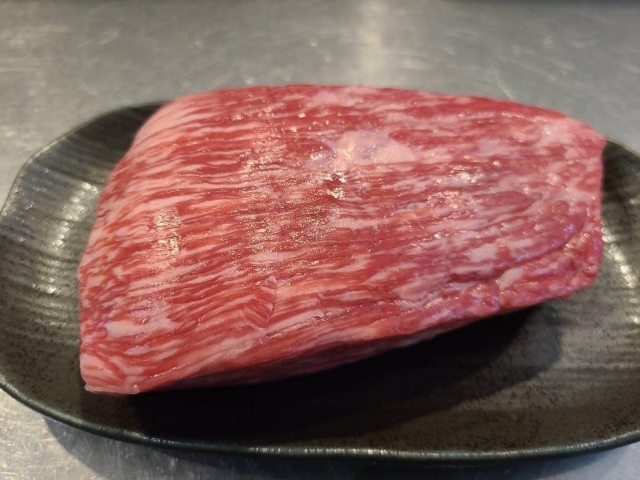


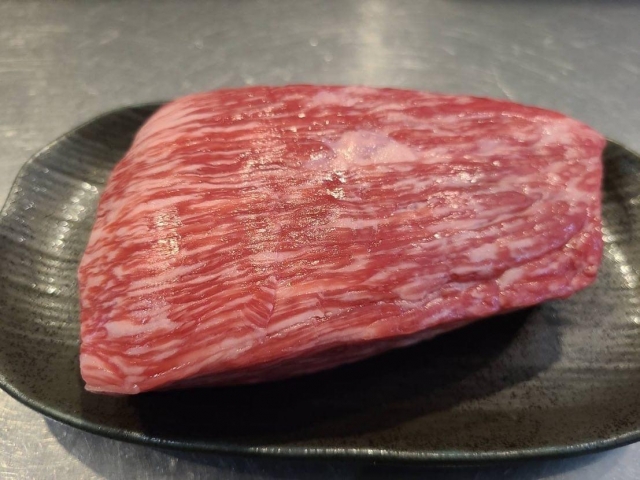
Japan is home to many delicious ingredients, but the pinnacle of them all is Wagyu beef. With its fine marbling, melt-in-your-mouth texture, and mellow aroma, it continues to captivate gourmets around the world.
Among all the Wagyu beef, the three that are considered to be of particularly high quality are known as the "Three Great Wagyu Beefs of Japan." These are generally Matsusaka Beef, Kobe Beef, and the Omi Beef we will introduce here.
Omi beef is often referred to as the "phantom Wagyu beef" due to its long history and delicate flavor. In this article, we will visit Shiga Prefecture, where Omi beef is raised, and convey the charm of Japan's deep food culture through its historical background and the experience of tasting the finest yakiniku in its homeland.
Omi beef is a type of Japanese black cattle that has been raised in Shiga Prefecture for a long time, and its roots date back to the Azuchi-Momoyama period over 400 years ago.
Japan's oldest brand of beef
Omi beef is said to have the longest history of the three major types of wagyu beef. From the Sengoku period to the Edo period, Shiga Prefecture (then Omi Province) was a key transportation hub, and Omi merchants traveled all over the country. There are records of them pickling Omi beef, which is said to be nutritious and good for health, in miso and presenting it to the shogun.
During the Edo period, the influence of Buddhism meant that eating meat was forbidden in Japan, but Omi beef was treated as a special medicine and eaten in secret. This long history, along with its history as a gift to the Shogunate, has built Omi beef into a prestigious brand.
The secret to its deliciousness: Lake Biwa and the natural environment
Shiga Prefecture is home to Lake Biwa, Japan's largest lake. This abundant water source and the surrounding nature support the quality of Omi beef.
Pure water: Lake Biwa's water is used as drinking water for the cows, helping them grow healthy.
A favorable environment: Growing in Shiga Prefecture's mild climate and fertile soil allows the plants to grow freely and without stress.
Fine-grained meat: Compared to other Wagyu beef, Omi beef has particularly fine meat fibers and a low melting point (the fat melts at a low temperature). This gives it a melt-in-your-mouth texture the moment you put it in your mouth, and the sweetness of the smooth, refined fat spreads throughout your mouth without being heavy.
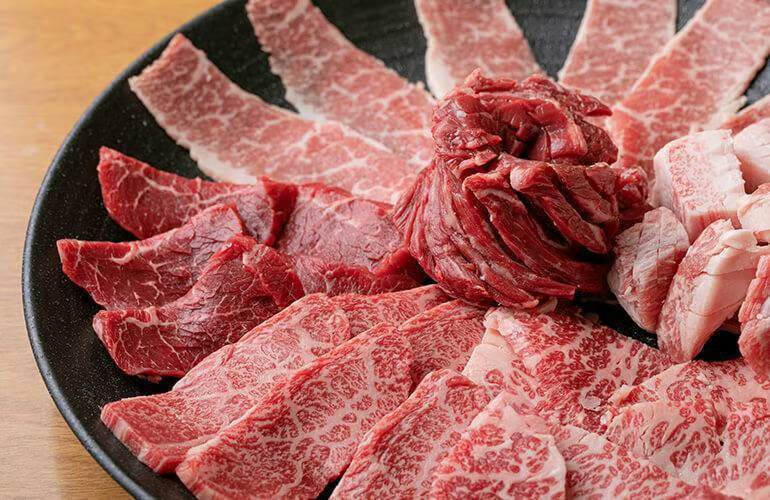
Kalbiya Daifuku Yasu Branch Omi Beef Kalbihttps ://tenposstar.com/ja/merchant/66e7e52f1900e
One of the most delicious ways to enjoy Omi beef is as yakiniku (grilled meat). Eating yakiniku at a specialty restaurant in Shiga Prefecture is more than just a meal; it is a special experience that stimulates all five senses.
Art on a hot plate
The best part of yakiniku is grilling fresh, beautiful meat to perfection with your own hands.
• Color and marbling: When the Omi beef is brought to you, you'll be captivated by the beauty of its "marbling," with fine, snow-white fat interspersed within the vibrant red meat. This artistic appearance is a testament to the high quality of Wagyu beef.
• Sound and aroma: When you place the meat on the hot grill, you hear a sizzling sound and the aroma of fragrant meat rises up. It's this aroma that really whets your appetite.
• Instant Art: Omi beef fat has a low melting point, so if it is overcooked, the delicate flavor will be lost. The best way to enjoy it is to lightly sear the surface and then bring it to your mouth at the perfect moment when the fat inside has melted.
Yakiniku restaurant's specialties
Famous restaurants in Shiga Prefecture use various methods to bring out the best in Omi beef.
Variety of cuts: In addition to the standard cuts such as loin, kalbi, and fillet, many restaurants offer rare cuts (such as misuji and tomosankaku) that are only available in small quantities from a single cow, known in Japan as "rare cuts." Each cut offers a different texture and flavor to enjoy.
The culture of "sauce": When it comes to yakiniku, not only the taste of the meat is important, but the taste of the sauce is also important. In Japan, most restaurants offer simple sauces such as salt and wasabi to allow you to enjoy the natural flavor of the meat, or secret sauces made from Japanese soy sauce, miso, and fruit. The sauce further enhances the umami of the meat and makes you want to eat more rice.
3. Other ways to enjoy Omi beef Besides yakiniku, there are many other ways to enjoy Omi beef. If you're traveling to Shiga, be sure to try these dishes as well.
Sukiyaki and Shabu-shabu
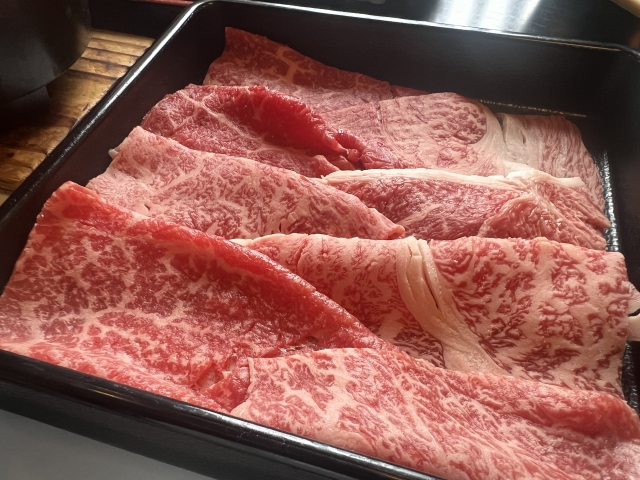
The delicate fat of Omi beef is ideal for sukiyaki and shabu-shabu, two traditional Japanese hot pot dishes. • Sukiyaki: The meat is quickly simmered in warishita (a sweet and spicy sauce made from soy sauce, sugar, etc.), and then eaten with a raw egg. The Omi beef fat melts, adding depth to the warishita and allowing the umami flavor to permeate the vegetables.
• Shabu-shabu: Thinly sliced beef is dipped in hot broth such as kelp stock for a few seconds and then eaten with ponzu or sesame sauce. The fat from the meat renders away, creating a refreshing dish, allowing you to fully enjoy the refined sweetness of Omi beef.
Beef bowl and Omi beef steak
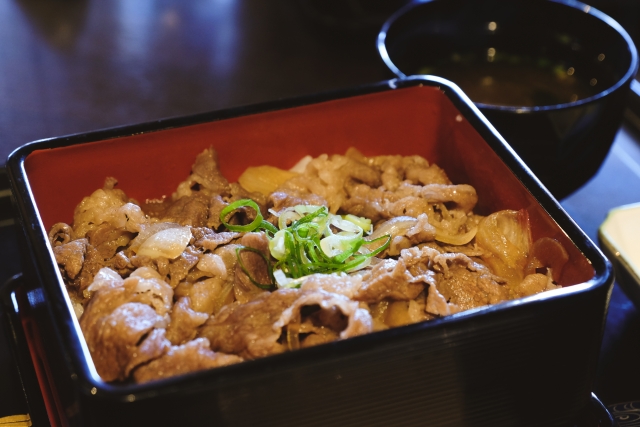
You can also enjoy easy-to-make dishes using Omi beef at local set meal restaurants and specialty shops.
• Omi Beef Bowl: A luxurious beef bowl that is different from regular beef bowls, packed with the delicious flavor of Omi beef. • Steak: The quality of Omi beef is exceptional, even when cut into thick steaks. You can feel the fineness of the meat fibers, and the more you chew, the more flavor comes out.
Omi beef is just one part of Shiga Prefecture's rich food culture. Shiga's appeal lies in the beautiful Lake Biwa and the cuisine that makes use of its bounty. Shiga Prefecture is close to Kyoto and is a region where culture and commerce have developed since ancient times. The Omi merchants' spirit of "Sanpoyoshi" (good for the seller, good for the buyer, good for society) continues to influence modern Japanese business. After enjoying Omi beef, you can take in the magnificent views of Lake Biwa and stroll through the quiet lakeside streets, allowing you to appreciate the beautiful natural environment and historical background in which the meat was raised.
Here are some restaurants where you can enjoy Omi beef outside of Shiga Prefecture.
Kei Gyudokoro: Special course where you can enjoy Omi beef https://tenposstar.com/en/merchant/6625da8358068
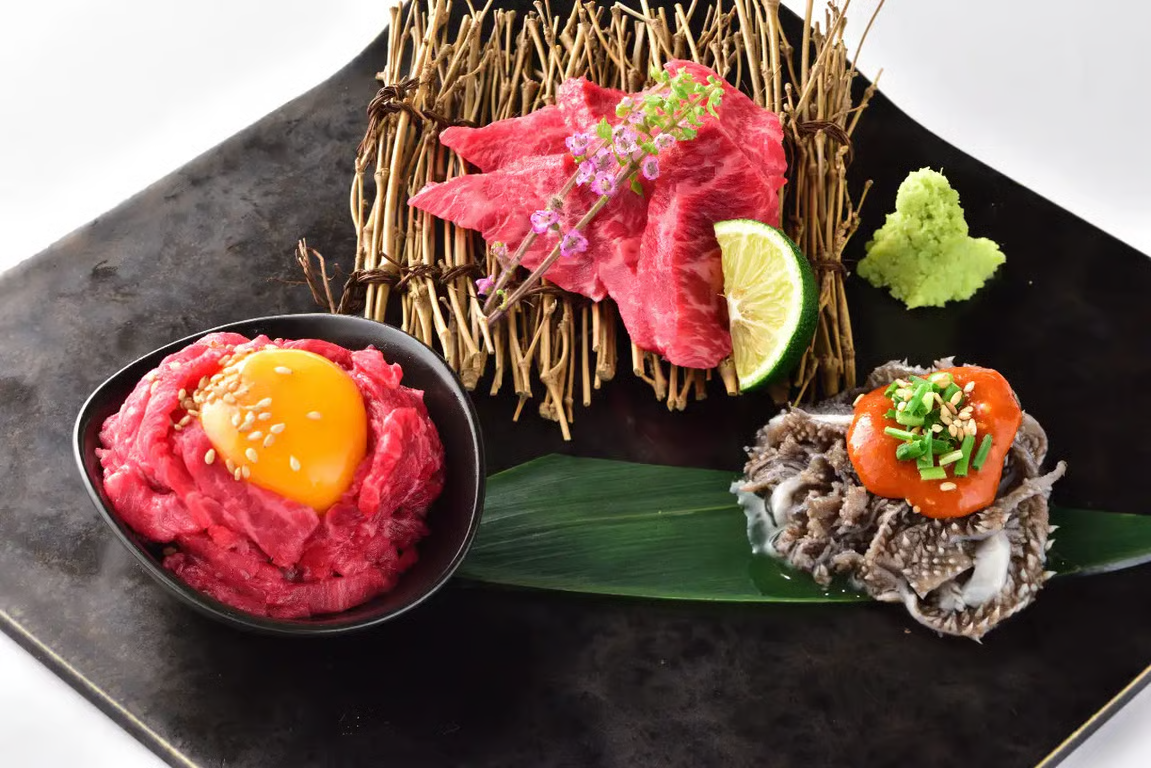
Yakiniku Hormone Sudaku Niigata Ekiminami Branch Selected Omi Beef Kalbi https://tenposstar.com/ja/merchant/6530b9d935a2f
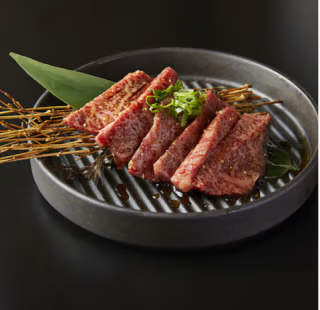
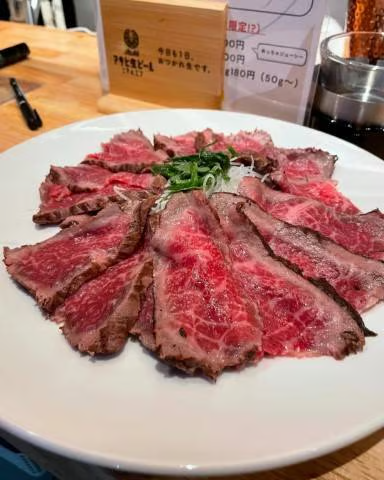
Standing bar Rebirth Omi Beef Series (Omi Beef Roast Beef) https://tenposstar.com/ja/merchant/6752889f59284
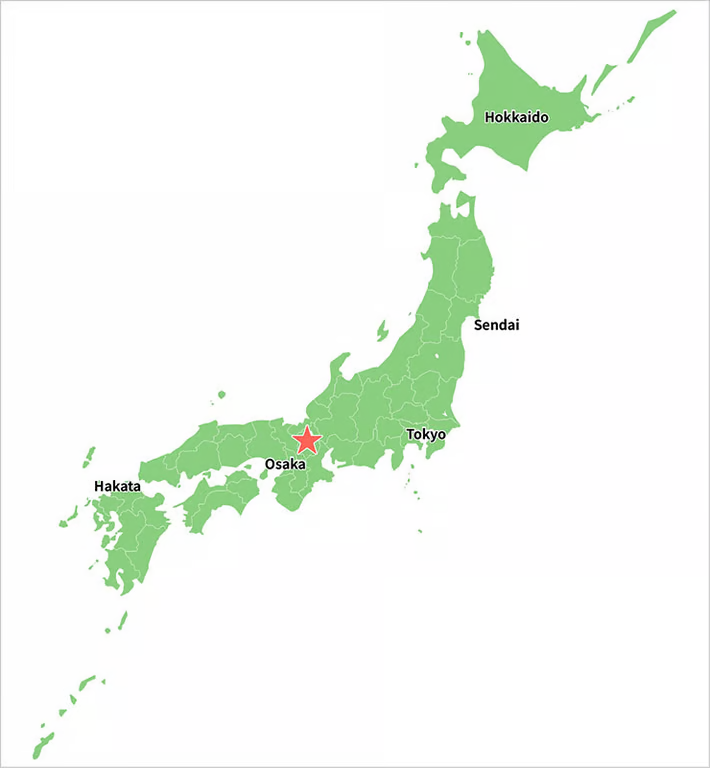
Location of Shiga Prefecture
Omi beef, one of Japan's three major wagyu breeds, is a culinary work of art that Japan can be proud of, with a history of over 400 years and nurtured in the rich natural environment of Lake Biwa. Visiting Shiga Prefecture and experiencing the beautiful marbling that glistens on the hot plate, the fragrant aroma that tickles your nose, and the texture that gently melts in your mouth will help you understand the depth of Japanese food culture and the delicate Japanese spirit of "omotenashi" (hospitality). Be sure to savor the finest Japanese flavors nurtured by history and nature through "exquisite Omi beef yakiniku."
Please also check out " Shiga Prefecture's Local B-Class Gourmet " ▼ https://tenposstar.com/ja/articles/r/218
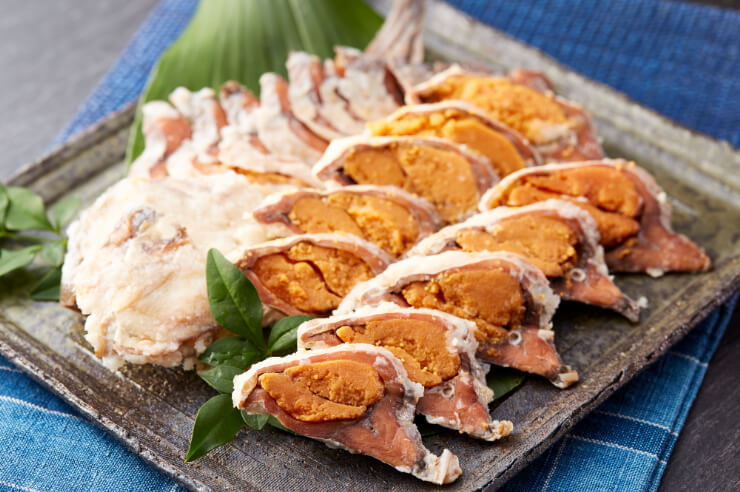
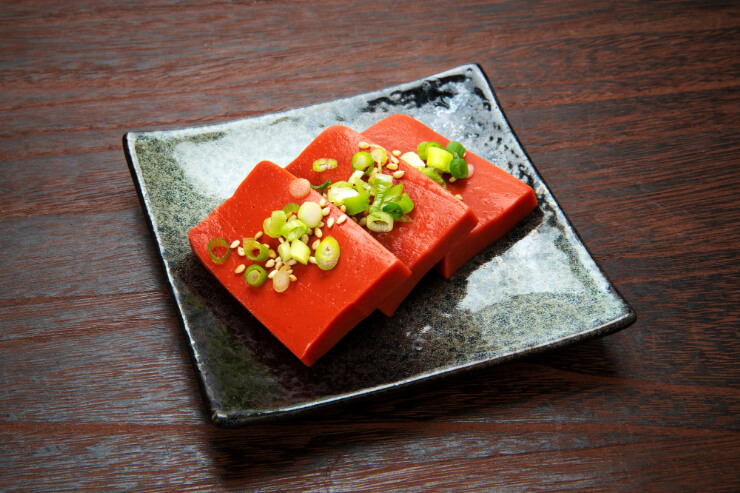
![[Shiga Prefecture] A thorough explanation of the history and characteristics of the local B-class gourmet food, Hinona Pickles!](https://imagedelivery.net/0Xfr734EZhL-f9btSNh4FQ/uploads/article/01JWYRDFEXM7Y3F23AB87ZS5NF.jpg/public)