

When the cold season arrives, there is one dish that becomes the main attraction on dining tables all over Japan: "nabe ryori," or "onabe" for short.
In Japanese food culture, hot pot is more than just a cooking method or a meal. It is a place for warm communication, where everyone gathers around a clay pot and shares the delicious flavors of the ingredients in the steaming hot air. We will introduce you to the world of hot pot cuisine, a Japanese winter tradition that deepens bonds between family and friends and warms the body and soul from the inside out.
In this article, we will introduce in detail the special charm of hot pot dishes, the classic types that you absolutely cannot miss, and the unique Japanese culture of "shime," which is how you enjoy hot pot until the very end.
The appeal of hot pot cooking lies in its simplicity and depth.
Warmth at the heart of family gatherings
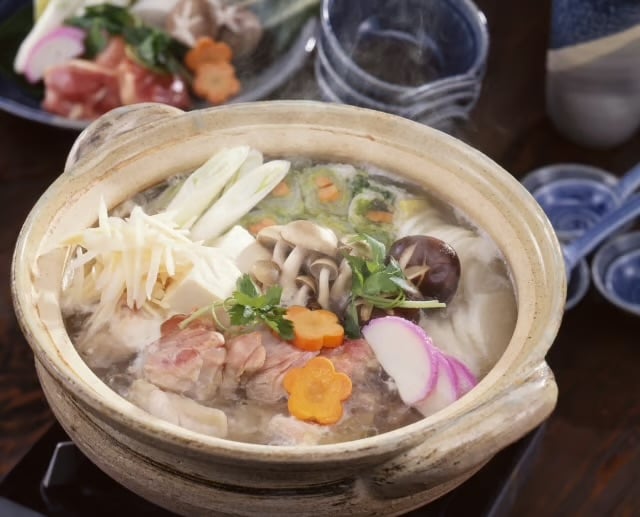
Japanese hot pot dishes are made in a large earthenware pot placed in the center of the dining table and heated over a portable stove. Earthenware pots have excellent heat retention properties, meaning food does not cool down easily even when simmered for a long time.
All the ingredients are put into the pot just before serving, so the cooking starts in an incomplete state. Participants pick at the ingredients with chopsticks, checking how well they are cooked, and encouraging each other to say things like, "This is almost ready to eat," or "Let's simmer these vegetables a little longer."
This collaborative effort is the true joy of hot pot cooking. By paying attention to each other and laughing together while eating, conversation flows naturally, creating a homey, cozy atmosphere.
"Japanese wisdom" to enjoy the full nutrition and flavor
Hot pot dishes allow you to consume a wide variety of ingredients in a balanced way, including meat, seafood, seasonal vegetables, and mushrooms, all at once.
The umami (dashi) from the ingredients dissolves in the broth, which then permeates the other ingredients, creating a chain reaction of umami. Furthermore, there is a culture of eating every last drop of soup, so you can consume all the water-soluble nutrients, making it a rational and healthy dish.
Japanese hot pot dishes come in a surprising variety of flavors and ingredients. Here we will introduce some of the most popular and representative hot pots.
Yosenabe: The most popular Japanese dish
As the name "Yose" suggests, this is a classic hot pot dish that is most popular in Japanese households, in which various ingredients are "gathered" together and simmered.
Characteristics: It is based on a simple dashi stock made from kelp and bonito flakes, and lightly seasoned with soy sauce and salt.
Ingredients: Feel free to combine whatever ingredients you have at home, such as chicken, seafood (shrimp, cod, etc.), Chinese cabbage, green onions, mushrooms, tofu, etc.
Reasons for its appeal: The simple seasoning brings out the natural umami and flavor of the ingredients. Another appealing feature is that you can add ponzu sauce, sesame sauce, or other condiments to the side dishes to customize the flavor to your liking.
b. Sukiyaki (sukiyaki): A representative Japanese delicacy
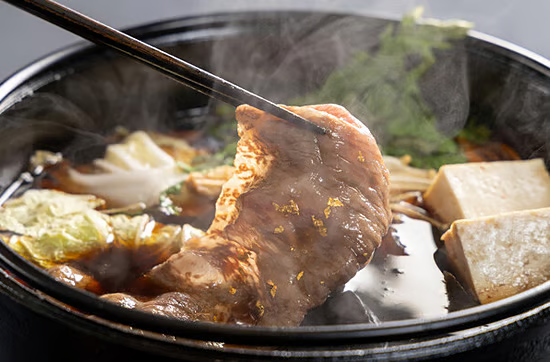
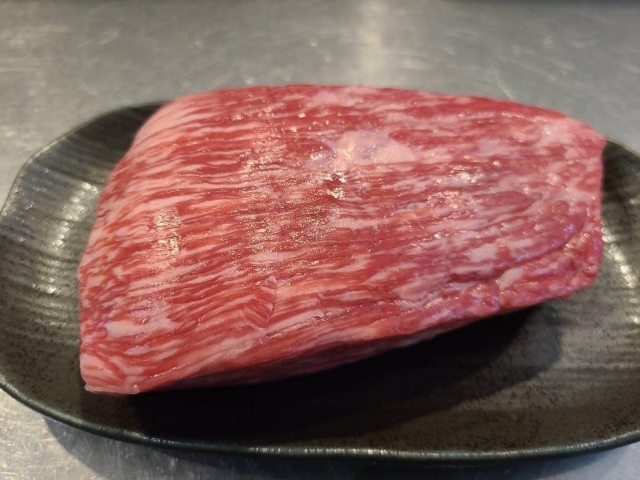
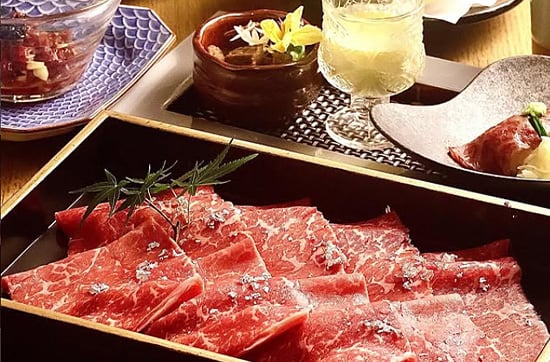
A5 Wagyu Beef Tempura Sirloin Sukiyakihttps ://tenposstar.com/ja/merchant/68463962125e6
This luxurious hot pot dish allows you to enjoy beef with a sweet and spicy flavor. In Japan, it is a standard feast, often chosen for celebrations and special occasions when people gather together.
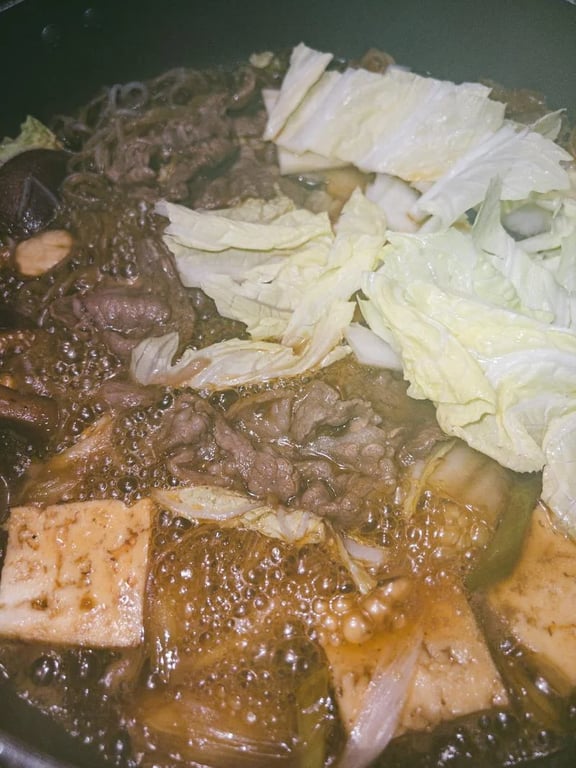
Characteristics: Beef and vegetables are simmered in a sweet and spicy sauce called warishita, which is a mixture of soy sauce, sugar, mirin, sake, etc.
Ingredients: Thinly sliced beef is the main ingredient. Other standard ingredients include green onions, shiitake mushrooms, grilled tofu, chrysanthemum greens, and shirataki (konjac noodles).
How to eat: The distinctive feature of this dish is that the cooked ingredients are dipped in beaten raw egg. The combination of the sweet and spicy sauce and the rich raw egg brings out the umami of the beef, creating a mellow flavor.
c. Shabu-shabu: A light and enjoyable meat dish
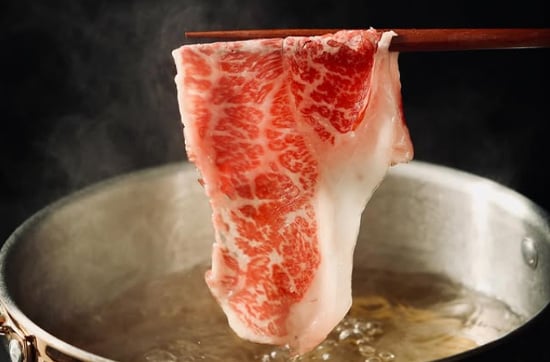
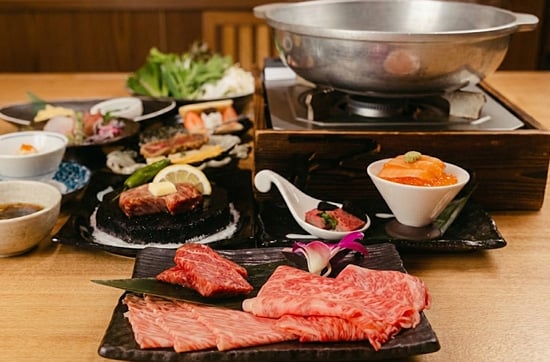
Shabu-shabu Tonkami Hokkaido Pork Shabu-shabuhttps ://tenposstar.com/ja/merchant/66596a6610b00
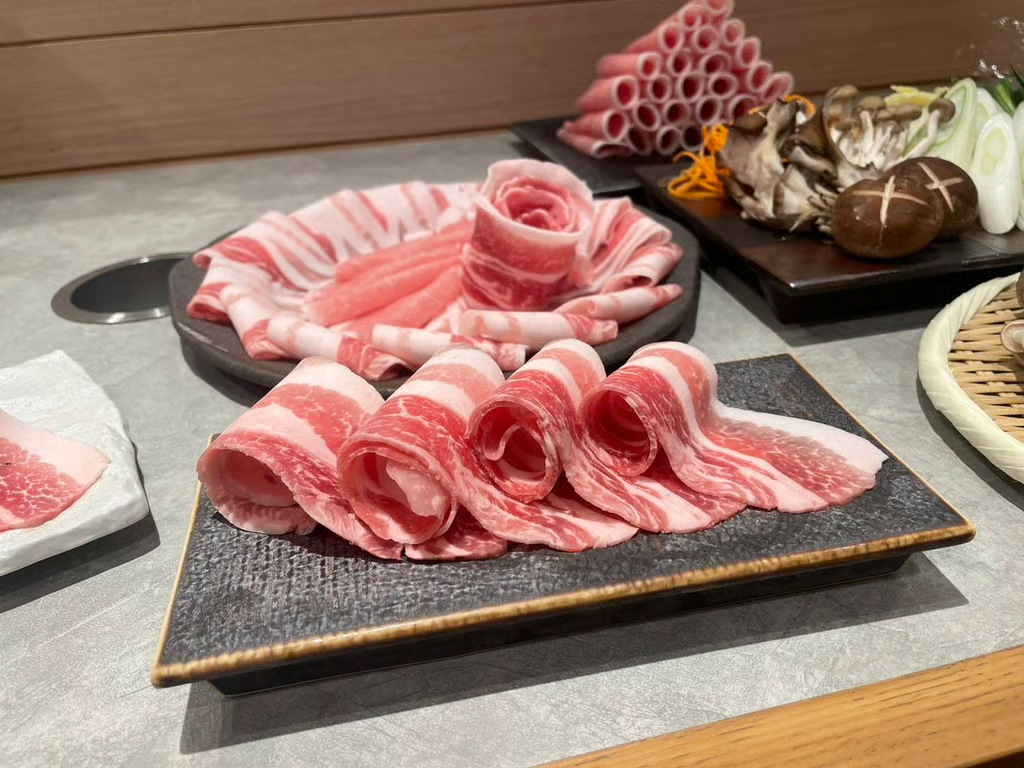
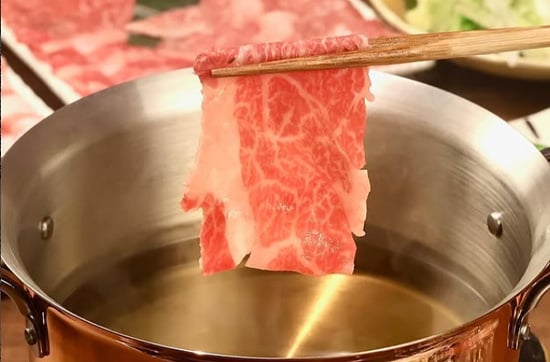
Hokkaido Shabu-Shabu Pokke Hakodate Branch Hokkaido Lamb Shabu https://tenposstar.com/ja/merchant/659f788160c61
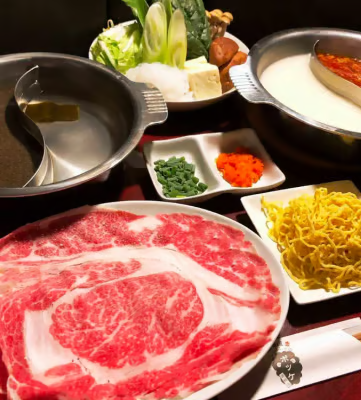
It got its name from the fact that very thinly sliced meat is dipped in hot broth and eaten with a "shabu, shabu" sound.
Characteristics: A simple broth made with kelp and other ingredients is brought to a boil, and meat is cooked by dipping it in the sauce. The broth is unseasoned, and the meat is eaten by dipping it in the sauce.
Ingredients: Thinly sliced beef or pork. Light vegetables such as Chinese cabbage, green onions, mizuna, and mushrooms go well with this dish.
Reasons for its appeal: The fat from the meat doesn't leak into the broth, making it a very healthy way to enjoy meat and vegetables. The sauces typically used are sour ponzu sauce or fragrant sesame sauce.
d. Other unique local hotpots
There are also many unique local hotpots that strongly reflect the ingredients and culture specific to each region.
Ishikari hotpot
A local Hokkaido dish featuring salmon stewed with vegetables in a miso-based soup.
Kiritanpo hotpot (Kiritanpo nabe)
A local dish from Akita Prefecture. Kiritanpo is made by mashing rice into a grilled stick shape and simmering it in a chicken bone-based soy sauce broth.
Akita Cuisine and Grilled Food Marumiya Kiritanpo Hot Pot (Winter) https://tenposstar.com/ja/merchant/650bd2820ac60
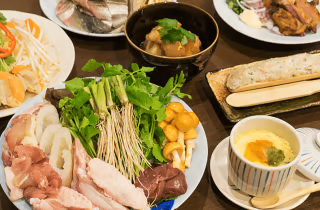
"What is Akita Prefecture's local B-class gourmet food, Kiritanpo? Introducing its characteristics and history!" Please also check this out!
https://tenposstar.com/ja/articles/r/1851
Motsunabe (offal hotpot)
Originating in Fukuoka Prefecture (Hakata), this is a stamina-boosting hot pot dish in which beef or pork offal is simmered with vegetables such as cabbage and chives in a soy sauce or miso-based soup.
Suehiroya Motsunabe Haruyoshi Branch Motsunabe (Matsu) https://tenposstar.com/ja/merchant/66596d584a34b
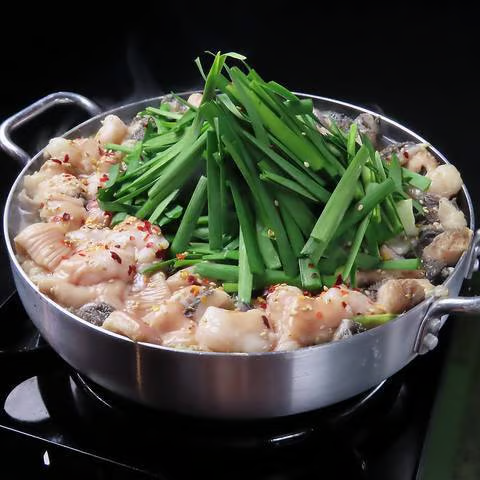
Please also check out "What is Fukuoka Prefecture's local B-class gourmet food, "Motsunabe"? Introducing its characteristics and history" https://tenposstar.com/ja/articles/r/2151
Mizutaki: A hot pot dish that lets you fully enjoy the delicious flavor of chicken
Known as a local dish of Fukuoka Prefecture (Hakata), this simple hot pot brings out the full flavor of chicken. It is characterized by a rich, cloudy chicken broth made by slowly simmering bone-in chicken meat in water .
Torinotetsu Uomachi Branch Torinotetsu Hakata Mizutakihttps://tenposstar.com/ja/merchant/64e5898d4ecea
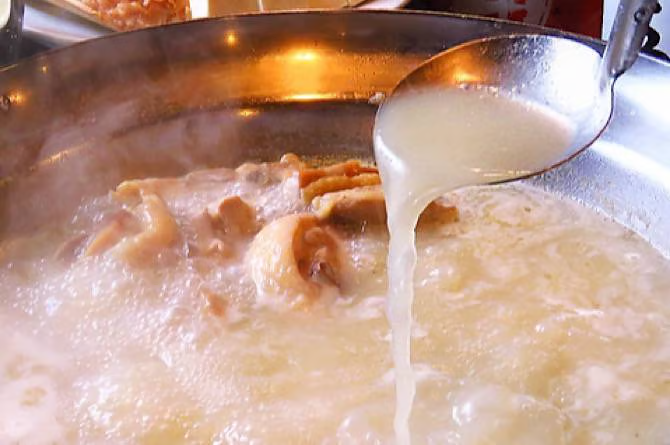
Please also check out "What is Fukuoka's local B-class gourmet food, Mizutaki? Introducing its characteristics and history!" https://tenposstar.com/ja/articles/r/2298
What makes Japanese hot pot special is that there is something else to enjoy after you have finished eating the ingredients: a dish called "shime."
The remaining soup in a hot pot, which is packed with the flavor of the ingredients, is the ultimate "golden broth." An important part of Japanese hot pot culture is not to let it go to waste, but to enjoy it to the very last drop by adding carbohydrates such as rice or noodles.
a. Rice porridge (zosui) or rice porridge
Characteristics: Rice (white rice) is added to the remaining soup and simmered, then seasoned with salt and soy sauce, and beaten eggs are poured in.
What makes it so appealing: The rice absorbs all the flavor of the hot pot, and when combined with the smooth egg, it creates a gentle flavor that is comforting to both body and soul. It's a classic finale to many Japanese hot pots.
b. Udon and Ramen
Characteristics: It is chosen when you want something more filling than rice porridge. In particular, udon goes well with the sweet and spicy soup of sukiyaki, and Chinese noodles (ramen) go well with rich soups such as motsunabe and kimchi nabe.
Variation: In Fukuoka, it is common to finish off a meal of motsunabe with champon noodles. The noodles are coated in the flavorful soup, making it delicious until the very last bite.
c. Risotto and pasta
Recently, Western and Asian-style hot pots such as tomato hot pot and soy milk hot pot have become popular. New styles of finishing dishes have been developed for these hot pots, such as adding cheese and parsley to the remaining soup to make risotto, or adding short pasta.
Hot pot is not only a delicious way to beat the cold of the Japanese winter, but also a great opportunity to experience Japanese hospitality and community culture.
Everyone gathers around the same pot, chats in the steaming hot air, and finishes off with the best remaining broth. This whole process embodies the Japanese spirit of "sharing" and "mottainai (not wasting)," which are so important to the Japanese people, and is truly the very essence of Japanese charm.
Come to Japan, join the warmth of a clay pot, and experience the main attraction of Japanese winters. Which clay pot would you like to try?