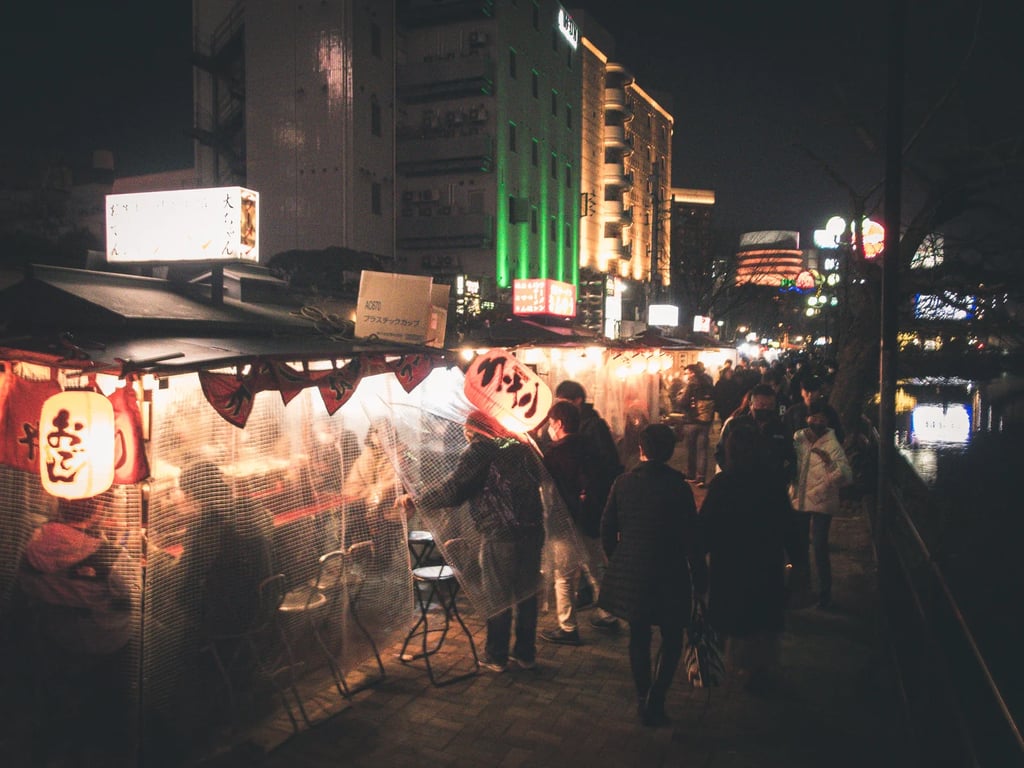
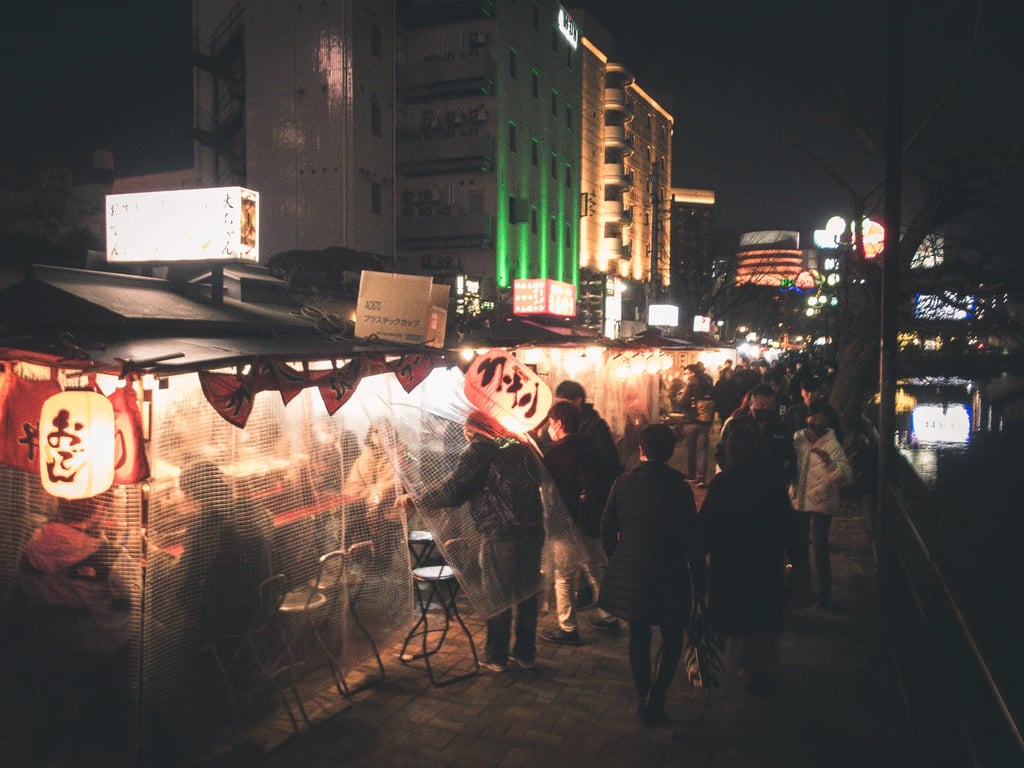


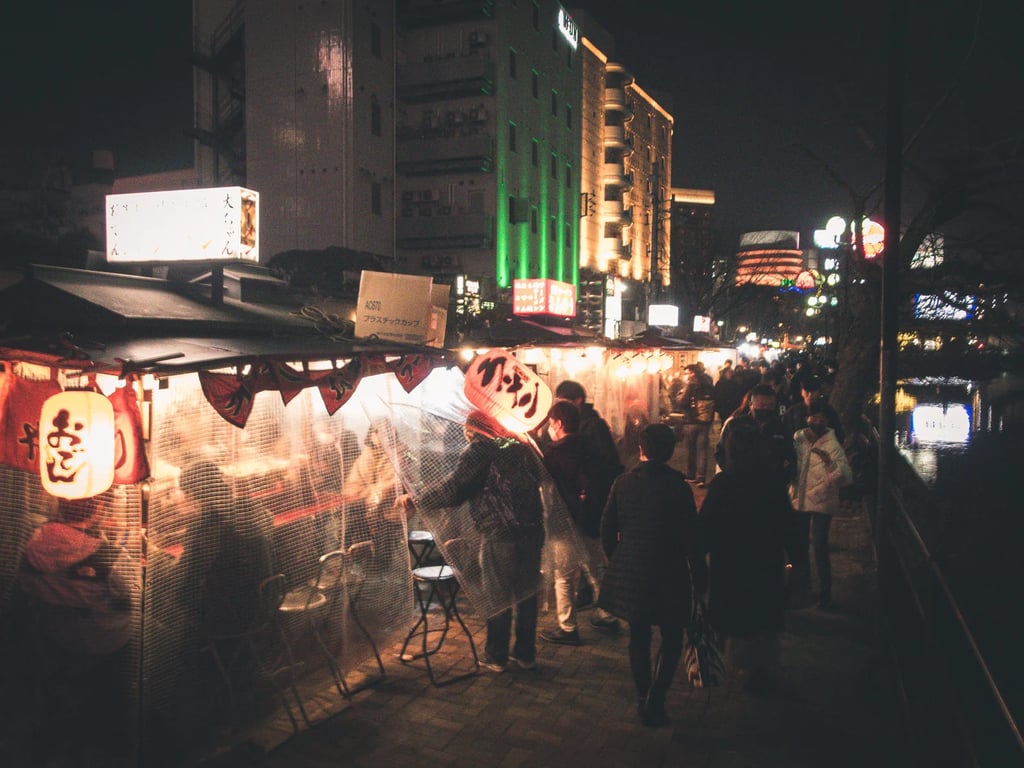
On winter nights in Japan, the crisp cold stings the skin. On such nights, when the air is clear and the stars shine sharply, a small space emanating soft warm steam and a gentle light appears in a corner of an office district or entertainment district. This is a Japanese "oden stall."
The light filtering through the food stall resembles a single flower blooming in an alleyway. For many Japanese, this light is a light for the soul, symbolizing the end of the day and the beginning of peace. Step through the noren curtain and you'll find a special world filled with vitality and humanity, completely different from the freezing outside world.
Enjoy a glass of "atsukan," a hot sake warmed to above body temperature, surrounded by steaming simmering ingredients. The warmth seeping into your chilled body and the brief exchange with the people sitting next to you are a truly luxurious experience that can only be experienced in the Japanese winter.
This time, through the experience of "having a cup of hot sake at an oden stall," we would like to introduce to you the profound charms of Japan - food, alcohol, and the warmth of its people .
The magic of oden: the depth of the broth and the variety of ingredients
Oden is a uniquely Japanese stew dish in which several types of fish paste and vegetables are simmered for a long time in a broth made from soy sauce, kelp, bonito flakes, and other ingredients. Its roots lie in dengaku, which refers to tofu coated in miso and grilled, and it developed into its current form as soy sauce became more widespread during the Edo period. It is a hot pot dish packed with Japanese wisdom and ingenuity.
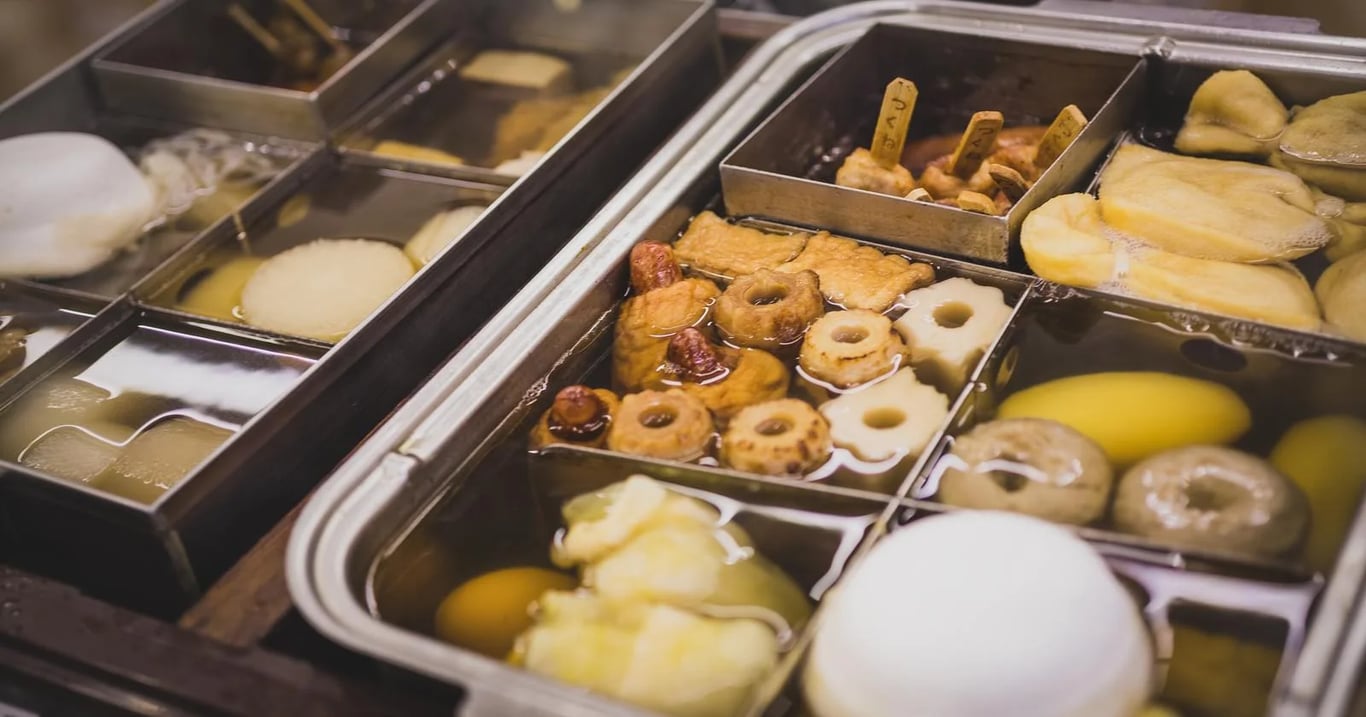
The soul of oden lies in the "tsuyu," or broth, that envelops the ingredients. This broth varies depending on the region and stall, reflecting the diversity of Japanese food culture. The Kanto style, centered around Tokyo, uses dark soy sauce, and is characterized by its deep color and strong flavor. The flavor of the ingredients dissolves into the broth, and the longer it is simmered, the stronger and richer the flavor becomes. On the other hand, the Kansai style, centered around Osaka, uses light soy sauce, and while it is light in color and maintains a clear texture, it has a rich, elegant flavor with the aroma of kelp and bonito flakes. This broth is also known as "Kyoto-style oden," and it brings out the delicate flavor of the ingredients themselves.
At the food stalls, this soup is always kept warm, and in many stores it is topped up daily as a "secret soup." The soup, which is infused with the essence of the simmered ingredients and condensed with decades of food stall history, creates a "taste unique to that food stall." This is the greatest appeal of food stall oden, which sets it apart from mass-produced oden in factories, and where the artisan's skill shines through.
The ingredients in oden are a showcase of Japanese food culture, so if it's your first time visiting a food stall, be sure to try some of Japan's classic ingredients.
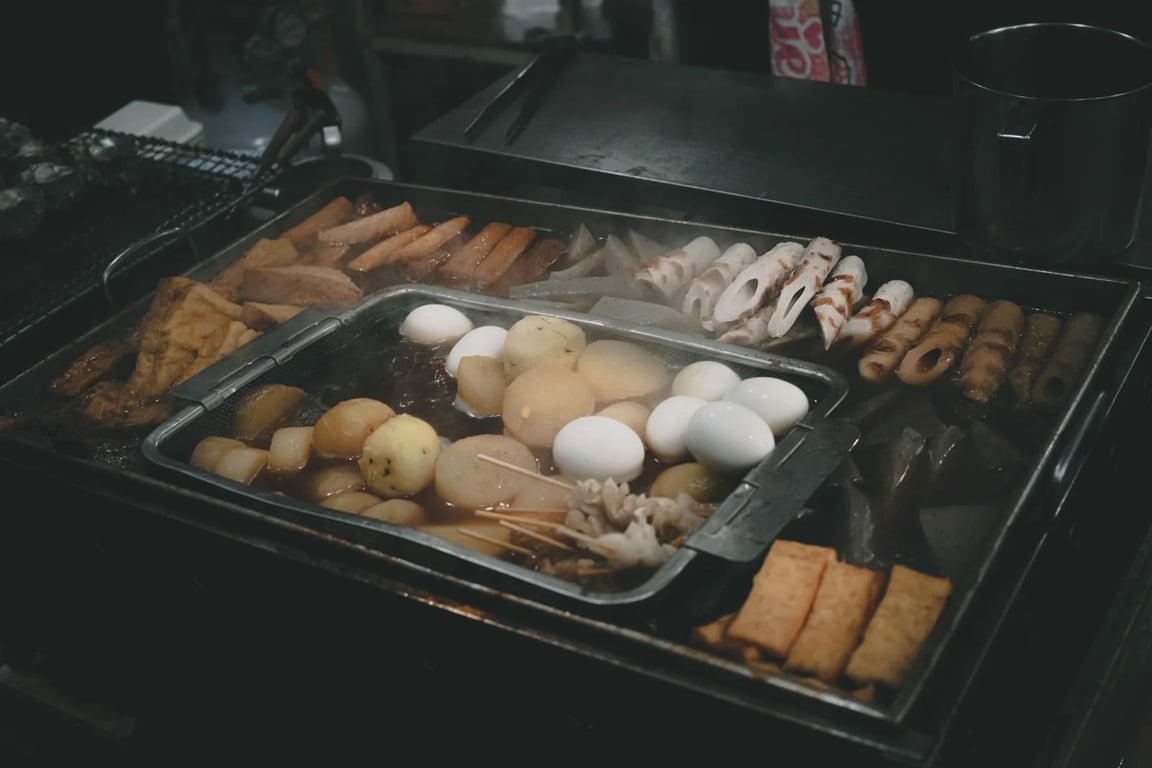
Daikon radish is known as the king of oden. It is boiled so that it absorbs the flavor of the soup and becomes incredibly soft, easily cut with chopsticks. When you put it in your mouth, the concentrated flavor of the soup spreads and melts in your mouth. The classic egg is also boiled so that the yolk becomes fluffy and the white becomes firm, making it a dish that everyone can enjoy.
There is also a wide variety of fish paste products made from minced fish. Chikuwa and satsumaage are typical examples, and their shape allows them to easily absorb the flavor of the broth, allowing the fish flavor to harmonize with the broth. A unique variation is mochi-kinchaku, which is fried tofu stuffed with mochi. When you split the fried tofu soaked in broth, the hot mochi appears, making it a unique and satisfying filling. Beef tendon skewers are especially popular in western Japan; their collagen content makes them softer the longer they are simmered, imparting a unique richness and flavor to the broth.
The fun of oden is being able to freely choose your favorite ingredients and enjoy them in the hot broth. The moment when you order by pointing at the ingredients lined up on the platter is also one of the joys of a food stall.
Check out "A Winter Classic: Local Oden from Around Japan!"
https://tenposstar.com/ja/articles/r/202
For those who know the cold of Japanese winters, hot sake is perfect .
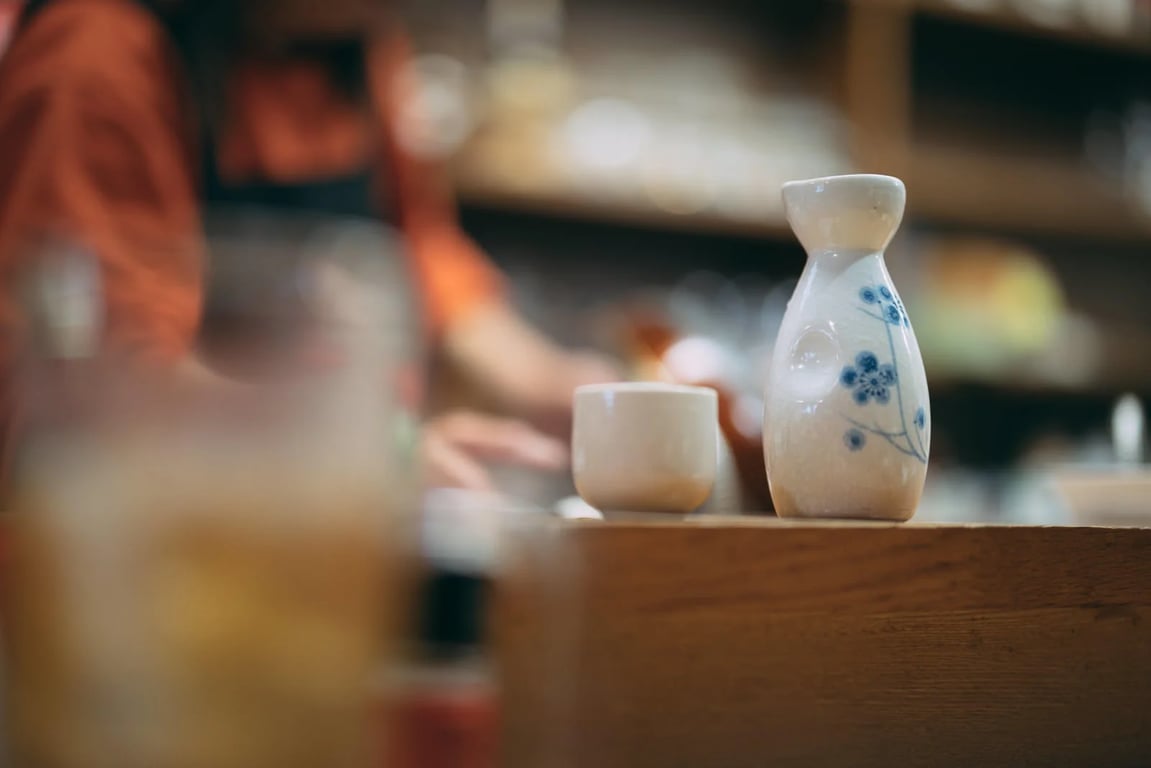
Atsukan is a method of drinking sake that has been warmed to around 45-55°C, which is hotter than body temperature (approximately 35°C). Chilling sake gives it a crisp flavor, but warming it brings out its full potential. Hot drinks are not just quenching the thirst, but are also a practical way to warm the body from the inside out during Japan's cold winters.
Heating sake activates the umami components, such as amino acids, in the sake, bringing out its rich aroma. Rich sakes such as junmai sake and honjozo sake, which can be difficult to drink at room temperature, are particularly smoothed out by atsukan, resulting in a mellow, gentle flavor. Drinking atsukan at a food stall, where the air is so fresh, is like magic, helping you forget the cold of Japan's winters.
Why does hot sake go so well with oden? It's because of the chemical reaction of taste, particularly the synergistic effect of umami. Oden soup is rich in animal and plant-based umami from kelp and bonito flakes. On the other hand, hot sake also has the umami derived from rice, which is created during the fermentation process.
The combination of these two distinct umami flavors creates a much deeper taste than if you were to eat or drink either of them separately. Taking a sip of hot sake washes away the lingering aftertaste of the oden broth from your tongue, making the next bite even more delicious. This perfect "umami loop" is why the two are considered a fateful encounter. The rich flavor of oden and the warm mouthfeel of hot sake offer a sense of healing and comfort that is different from cold beer or chilled sake. Pick up a sake bottle with white steam rising from it at a food stall and slowly savor the taste. This time will be a blissful moment that will help you forget the fatigue of your journey.
Oden stalls are not just places to eat. They are theaters that suddenly appear on the streets of Japan at night, where human drama unfolds and where people exchange feelings of kindness.
Most oden stalls are small, with around ten seats at the counter. The narrow seating, where customers' shoulders almost touch, is an important element of a yatai. This small space instantly shortens the distance between people who would not normally interact. Office workers, students, local elderly people, and foreign tourists like you. Everyone sits in a row, eating while feeling the steam from the same pot, creating a sense of community.
The owners of the food stalls are not just cooks, but also the "directors" and "listeners" of this theater. They are constantly watching the customers, and liven up the atmosphere with their exquisite considerations, such as timing the serving of hot sake, starting conversations, and recommending ingredients. The warm atmosphere they create is another aspect of the flavor of the food stalls.
The best part of eating at a food stall is the "ichigo ichie" (once in a lifetime encounter) exchange with the person sitting next to you. As people warm up with hot sake, they naturally open up more easily. They start casual conversations about things like "Where are you from?", "What was the best thing about the oden?", and "How is winter in Japan?"
It's okay if your Japanese isn't perfect. Just pointing to your food and saying "delicious" with a smile will open the door to conversation. Overcoming language barriers, you can share stories of each other's countries and travel memories. This is a rare opportunity to experience the culture of ordinary people in Japan that you can't experience at a high-end restaurant. Regular customers at food stalls often treat foreign tourists with warmth, and from conversations with them, you may be able to learn real information about Japan that you won't find in guidebooks. Food stalls are places where people connect with each other through warmth and you can feel the essence of Japan.
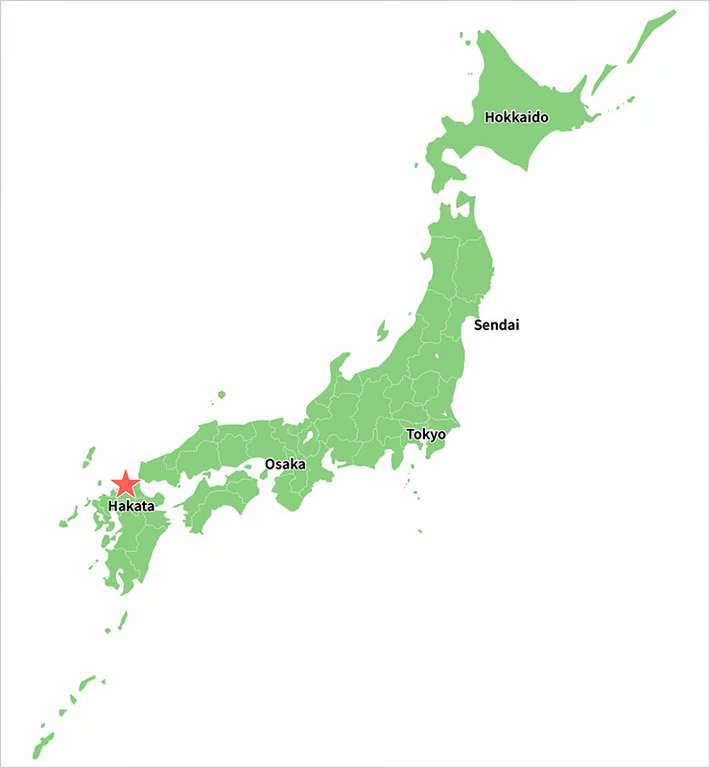
To enjoy this special experience, we'll introduce specific locations and etiquette. Many oden stalls are seasonal establishments that operate from autumn through spring. Fukuoka City (Hakata) in Kyushu is perhaps the most famous for its food stall culture and the easiest place to experience it. Here, stalls offering not only oden but a variety of other dishes line the riverside and are open to tourists. Even in major cities like Tokyo and Osaka, you'll often find food stalls with red lanterns quietly operating in the back alleys of entertainment districts or next to small parks. If you spot a small wooden building on a street corner with steam rising from it and a white noren curtain hanging above, be sure to muster up the courage to open the door.
To enjoy yatai culture, it's a good idea to know some etiquette to make your experience even more comfortable. When ordering, it's common to point to the ingredients arranged on a large platter and say, "I'd like this and that, please." If you're unsure, just tell the chef, "I'll leave it to you," and he'll likely bring you the best recommendation of the day. Also, yatai have a limited number of seats, so turnover is crucial. When it's busy, it's good manners to give up your seat for the next customer if you're full. And, most yatai don't accept credit cards, so be sure to have some cash, including coins, ready.
The most important thing is to be prepared to enjoy the conversation. Even if you don't speak Japanese, you can still have fun with body language and a smile. Don't be shy, try talking to the person next to you or the chef. Experiencing Japanese hospitality will be the best thing you can gain from your visit.
"What is Fukuoka's Yukuhashi Miso Oden? Introducing its characteristics and history!" Also check out ▼
https://tenposstar.com/ja/articles/r/771
Location of Fukuoka
This is more than just a meal; it is a valuable cultural experience that allows you to come into contact with Japanese "human kindness."
On a freezing winter night in Japan, under the warm light of a food stall, you listen to the sound of oden simmering and slowly bring hot sake to your mouth. The warmth gently envelops not only your body, but also your travel-weary mind. The umami of the broth deepens with each sip, and the comfort brought by hot sake are the ultimate luxury found in the harshness of a Japanese winter.
The laughs you share with people you meet by chance along the way, the brief exchanges with the chef, and the deep flavor of the broth... These are the magic that will turn your trip to Japan into "unforgettable memories" that you won't find in any guidebook.
If you visit Japan in the winter, be sure to muster up the courage to head out to the small lights on the street corners. There, a special drink just for you will be waiting. So, this winter, why not immerse yourself to your heart's content in the profound charm of the Japanese nightlife?