

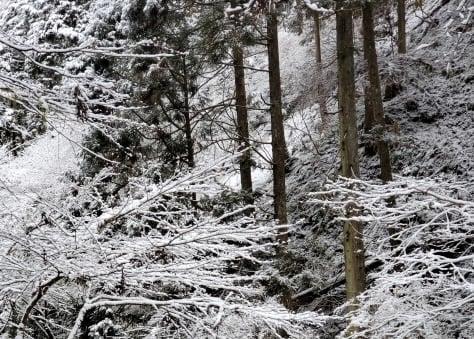
What comes to mind when you think of winter in Japan? Lively events like the Snow Festival and activities like skiing are appealing, but what I'd like to introduce to you today is the aesthetic of silence that can only be experienced in Japan's ancient capitals.
When historic cities like Kyoto and Kanazawa are covered in snow, the usual hustle and bustle disappears and a mysterious silence descends, as if time has stopped. The snow absorbs all sounds and envelops the entire city in a soft white veil. Within this quiet winter scenery, the aesthetic sense and spirituality that the Japanese have cherished since ancient times is deeply alive.
In this article, we will explore two different ancient cities, Kyoto and Kanazawa, to gently unravel how to enjoy and feel the snow-covered winter in Japan. We will guide you on a journey that will light a quiet flame of emotion in your heart.
Winter in Kyoto is characterized by bitter cold, known as bone-chilling, but it doesn't actually snow that often. That's why even for the locals, the days when the city is bathed in white feel like a special, fleeting miracle.
The contrast of gold and white at Kinkakuji Temple
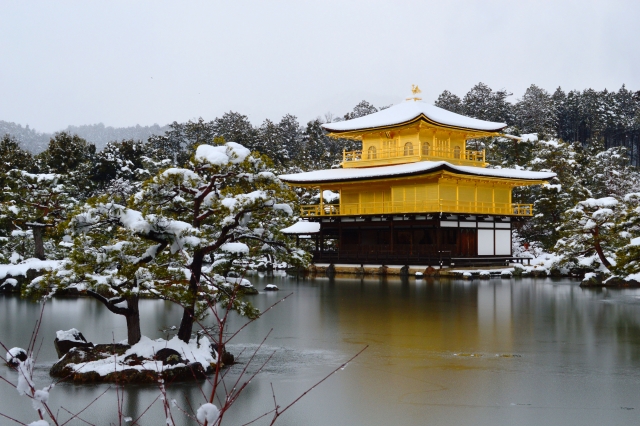
On snowy mornings, many people visit Kinkaku-ji Temple. Officially known as Rokuon-ji Temple, the temple is known for its shining golden pavilion, as its name suggests. Kinkaku-ji Temple is beautiful under a blue sky, but its snow-capped peak exudes a divine aura that leaves you speechless. The trees around the pond are frozen white, and the snow-covered golden building is reflected in the mirror-like surface, creating an otherworldly feeling, as if you are looking at a scene from paradise.
Ryoanji Temple's rock garden and the spirit of wabi-sabi
However, if you're looking for a deeper sense of tranquility, we recommend the rock garden at Ryoanji Temple. This Zen garden, composed of only white sand and 15 rocks, takes on a dramatic appearance when snow falls. The soft snow that piles up on the white sand blurs the boundaries of the garden and invites viewers to look inward.
On a snowy day at Ryoanji Temple, simply sit on the veranda and converse with the silence before you. There are no flashy colors. However, the beauty of wabi-sabi emerges as a result of stripping away all unnecessary elements. Stand tall in the cold, feel the cool air, and savor the silence. This is the ultimate way to spend a luxurious winter in Kyoto.
Kifune Shrine's red lanterns and snow tunnel
If you travel a little further from Kyoto city and head to the Kibune area in the north, you will find yourself in a snowy country that feels like another world. Red lanterns are beautifully lined up along the approach to Kifune Shrine, and when snow falls, their red color stands out vividly against the white world. At night, when the lanterns are lit and the snow gently falls, it feels as if you have wandered into a fairy tale world. A mystical time flows by, and you cannot help but feel a sense of awe for nature.
Chicken Broth Oden and Yakitori Tsujiya Kyoto Station West Branchhttps ://tenposstar.com/ja/merchant/64c8d68f2d225
If snow in Kyoto is a fleeting beauty, snow in Kanazawa is a part of everyday life in the city, characterized by the powerful beauty of living with snow. Kanazawa, in Ishikawa Prefecture, is covered in heavy snow in the winter, and the wisdom of accepting that snow beautifully and safely can be seen throughout the city.
Yukitsuri in Kenrokuen Garden: Geometric Art
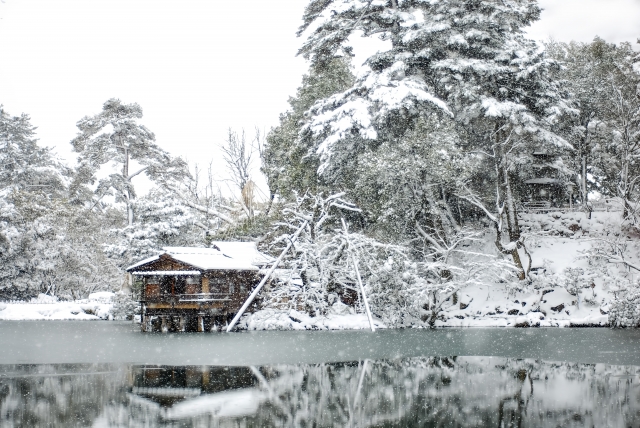
A symbol of winter in Kanazawa is the yukitsuri technique at Kenrokuen, one of Japan's three most famous gardens. This technique, in which several ropes are stretched from a single pillar to support tree branches so they do not break under the weight of heavy snow, is a seasonal sight in Kanazawa.
As you walk through the snow-covered Kenrokuen Garden, you'll notice that the conical silhouettes of the yukitsuri ropes create beautiful geometric patterns against the white background. This was born from practical wisdom, but it also seems to symbolize the Japanese spirit of "living beautifully together with nature while protecting it." The sight of the yukitsuri floating on the pond is a winter work of art that can only be seen in Kanazawa.
The quiet footsteps of Higashichaya District
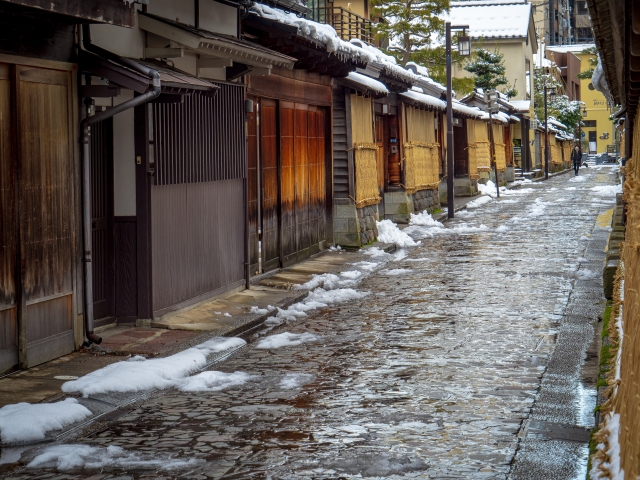
Higashi Chaya District, which retains a strong resemblance to the Edo period, is especially beautiful on snowy days. When snow piles up on the streets lined with old wooden buildings, footsteps are absorbed by the snow, and the area becomes silent. At dusk, a warm light like a gas lamp illuminates the snowy road, and the faint sound of a shamisen can be heard from somewhere. At such moments, you may feel as if you have traveled back in time.
On a snowy day in the teahouse district, be sure to stop by a teahouse and enjoy some warm matcha and Japanese sweets. The contrast between the cold outside, the warmth of the tatami mats inside the shop, and the steam rising from the tea will make your winter trip even more enjoyable.
Earthen walls and "komokake" at the site of the Nagamachi samurai residence
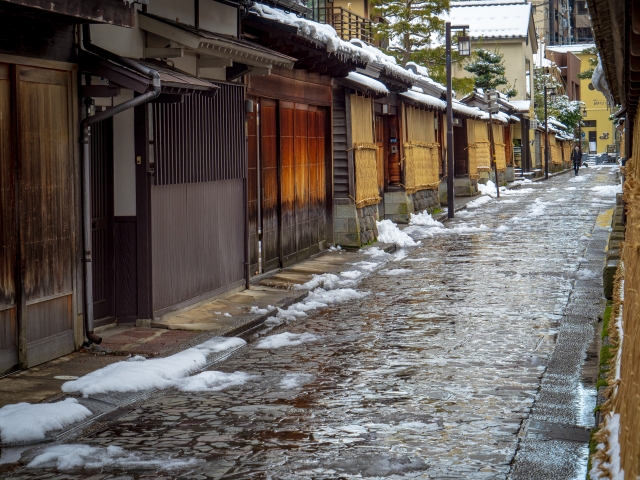
At the remains of Kanazawa's samurai residences, in the winter a straw mat called "komo" is laid over the earthen walls in a process known as komogake. This is to prevent snow from seeping into the walls, freezing them, and causing them to collapse. The brown straw walls that continue through the snow show us how carefully the people of Kanazawa protect their history. Walk through the narrow snow-covered alleys and experience the feel of the texture and the weight of history.
Food and hot springs are essential for a cold winter trip, as they warm you from the inside out. Both Kyoto and Kanazawa offer unique winter experiences.
Kyoto boiled tofu and Kyoto vegetables
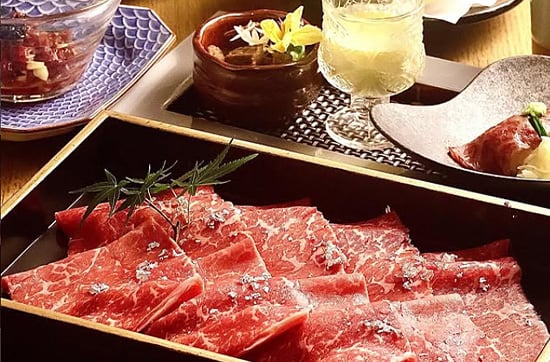
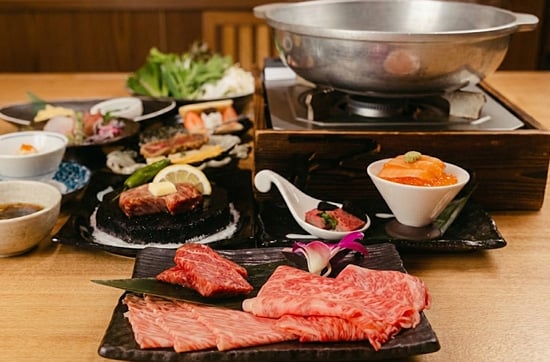
When it comes to winter food in Kyoto, it's boiled tofu. On a cold day, tofu simmering gently in hot broth is served with a special sauce. It's simple, but there's no more luxurious way to warm up. Dishes made with Kyoto vegetables, such as Shogoin daikon and Kujo negi, which become even sweeter in winter, will also satisfy the traveler's heart and stomach.
Kanazawa crab and winter yellowtail
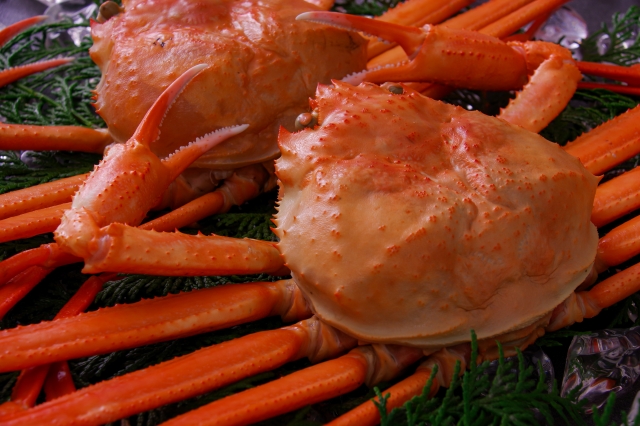
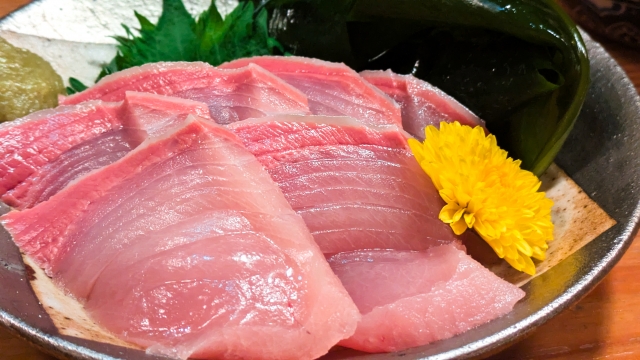
Winter in Kanazawa is truly a season for gourmet food. Crabs (such as Kano crab and Kobako crab) caught in the Sea of Japan and fatty winter yellowtail are exquisite delicacies that can only be enjoyed at this time of year. Enjoying fresh seafood after watching the lively auctions at Omicho Market will be a highlight of any winter trip to Kanazawa.
The luxury of a snow-viewing open-air bath
And above all, we recommend hot springs. In Arashiyama near Kyoto and Kaga Onsenkyo near Kanazawa, you can enjoy a snow-viewing open-air bath while immersing yourself in the hot water. The time you spend immersing yourself in the warm water in the cold air and gazing at the pure white scenery will give you a sense of freedom that will wash away all the stress of everyday life.
Why are we so drawn to this ancient city where it snows? It is because of the love of silence that Japanese people have had since ancient times.
Snow transforms the world into a single color. The absence of color allows us to face the true essence of things and our inner selves without being distracted by visual information. This state is valued in the world of tea ceremony and Zen.
Sipping a warm cup of tea while listening to the sound of falling snow. This simple act is so enriching because we find peace of mind in silence. When visiting an ancient capital in winter, try not to overpack your schedule and instead set aside even an hour to do nothing but gaze upon the scenery. It is this empty space that will surely make your trip the most wonderful one.
Finally, we will provide some specific advice for those visiting Japan's ancient capitals in January and February to help you enjoy your trip safely.
Clothing: Layering is key
When walking around Kyoto or Kanazawa in winter, the three-layer structure we introduced last time is the basic rule. The heating is very strong inside buildings and on trains, so choose a jacket that you can easily remove. Also, while you will often have to take off your shoes before entering temples and shrines, the floors can be very cold, so it's a good idea to bring thick socks and a spare hand warmer.
Regarding your feet: Be mindful of slip resistance
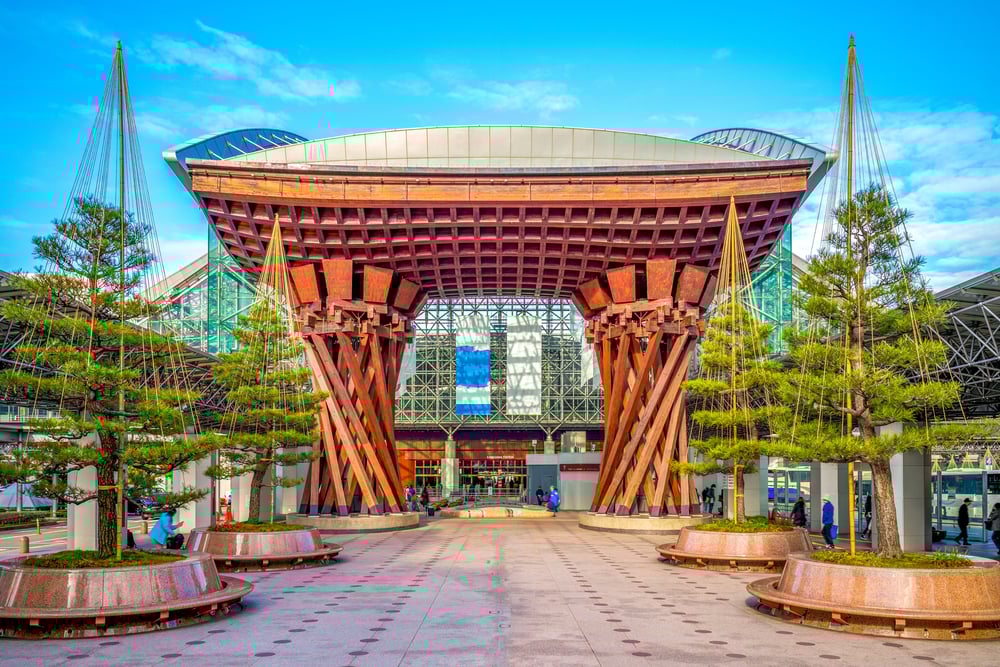
Sidewalks can be very slippery on snowy days. Be especially careful on Kyoto's cobblestone streets and Kanazawa's tiled roads. Choose shoes with deep grooves or anti-slip surfaces for snowy roads. Simple spikes that can be attached to shoes are also sold in front of Kanazawa Station.
Regarding transportation: Plan your trip with ample time
When it snows, buses and trains may be delayed. Express trains and Shinkansen trains to Kanazawa in particular may be affected by the weather, so please allow yourself plenty of time for your trip. Taxis may also be difficult to find, so make sure to book in advance and travel early.
Don't forget to take measures against dryness
Winter in Japan is extremely dry, especially in Kyoto, which is located on the Pacific coast. Protect your throat and skin by borrowing a humidifier at your hotel and hanging out wet towels. Don't forget to stay hydrated.
The beauty of snow-covered Kyoto and Kanazawa cannot be fully conveyed through photos or videos alone. This is because the cool air on your skin, the scent of grass and trees tickling your nose, and the faint sound of snow reaching your ears all come together to create a work of art that is complete only when all of these elements are combined.
Traveling through Japan in winter may involve some inconvenience and cold, but the tranquil world that lies beyond will provide deep healing and a new perspective for your soul.
Stop and take a deep breath on a silver-white street corner in this ancient capital. There you will find the quiet Japanese spirit alive and well, unchanged for hundreds of years.
I sincerely hope that you will find your own special tranquility in Japan's ancient capital this winter. Please stay warm and enjoy a wonderful trip.
What is Kanazawa Oden, Ishikawa Prefecture's local B-class gourmet food? Introducing its characteristics and history! Check this out too!
https://tenposstar.com/ja/articles/r/1117