

As autumn deepens and the cold seasonal winds begin to blow, countries along the Sea of Japan are enveloped in a special excitement: the lifting of the crab fishing ban.
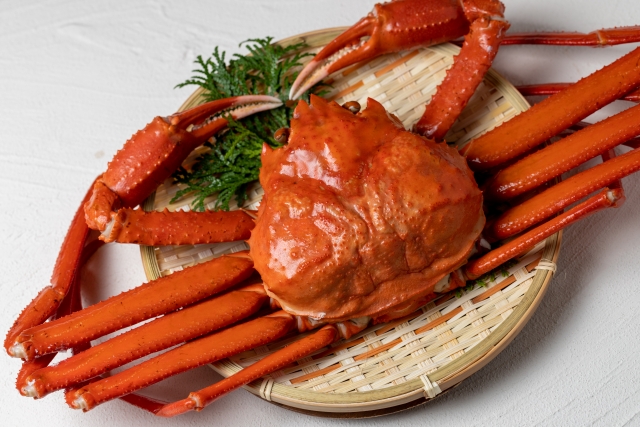
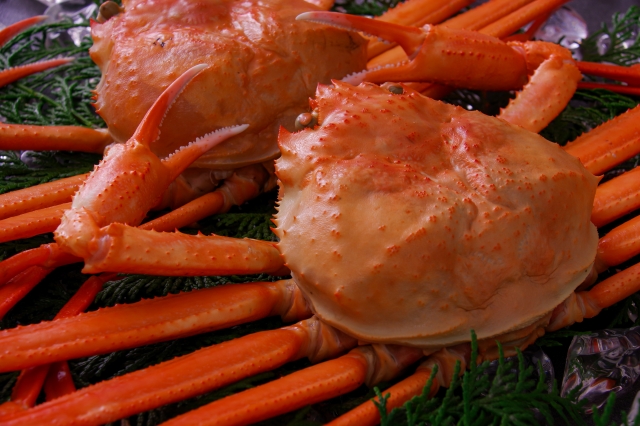
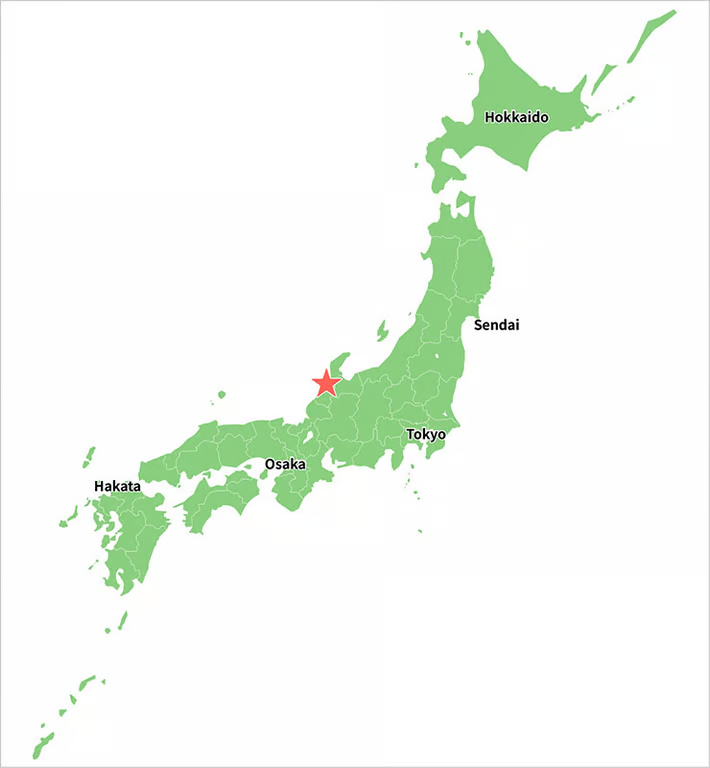
In Japan, crab, especially snow crab, is known as the "king of winter delicacies." When fishing season opens in early November, the Hokuriku region (Fukui, Ishikawa, and Toyama prefectures) and the San'in region facing the Sea of Japan suddenly come alive.
The opening of the crab fishing season is not just a food event. It embodies the deep charm of Japan, such as its culture of valuing seasonal produce, its commitment to regional brands, and the passion of the people who face the harsh natural environment of the fishing industry.
In this article, we'll introduce everything from the excitement of the opening of the crab fishing ban to the appeal of snow crab that can be enjoyed in the Hokuriku region, and even Japan's unique "crab culture."
Why is snow crab so special to the Japanese?
1. The joy of "seasonal" food and the spirit of "once in a lifetime"
Above all else, Japanese people value the culture of "season" - enjoying ingredients at their most delicious. The fishing season for snow crab is short and strictly controlled to protect the resource. The rarity of being able to enjoy crab only during a limited time makes it even more valuable.
This feeling of "I can only eat this at this time and in this place" is in line with the Japanese spirit of "ichigo ichie" (a once-in-a-lifetime encounter), and it creates gratitude and emotion for the ingredients.
2. Strict branding builds trust
In Japan, there is a culture of giving special names to crabs depending on the area where they are caught and their size, and of strictly managing them.
Echizen crab (Fukui Prefecture): Male snow crab caught in Fukui Prefecture. This is a premium brand that is even presented to the Imperial Family, and the yellow tag is proof of its quality.
Please also check out "Introducing the history and characteristics of Echizen crab, a local seafood delicacy in Fukui Prefecture!"
https://tenposstar.com/ja/articles/r/2155
Kano crab (Ishikawa Prefecture): Male snow crabs caught in Ishikawa Prefecture are tagged with blue tags.
Matsuba crab (Sanin region): A general term for snow crabs caught in Kyoto, Hyogo, Tottori, and Shimane prefectures.
Only crabs that meet strict standards regarding catch volume, size, and freshness can be called these brand crabs, and their reliability and quality have created enthusiastic demand.
3. The charm of the female crab, the "kobako crab"
While male snow crabs are the main attraction, female crabs are also very popular. Female snow crabs, known as "koubakogani" in the Hokuriku region in particular, are smaller than males, but the "uchiko" (immature eggs) packed inside and the "sotoko" (mature eggs) attached to the outside are beloved delicacies. As the fishing season is even shorter, it is a winter treat that excites local foodies.
After the ban on snow crab fishing was lifted, the fishing ports in the three Hokuriku prefectures of Fukui, Ishikawa, and Toyama were the busiest.
1. A lively fishing port auction
In the early morning hours immediately after the opening of the fishing season, the fishing port is filled with the excitement of boats unloading crabs and brokers waiting for them. The auction that unfolds here is a symbol of Japan's vibrant business culture. The brokers pick up each crab one by one, assessing their weight, shape, color and vitality, and then, accompanied by unique calls, bid on the crabs one after the other. It is a tense and exciting scene that can only be seen here.
2. The luxury of freshness in a port town
The biggest attraction of visiting port towns in the Hokuriku region (such as along the Echizen coast in Fukui Prefecture or near Kanazawa in Ishikawa Prefecture) is the ability to enjoy freshly caught crab right away.
The freshness of the crabs, which are brought from the fishing boats to the port and then served on the dinner table just a few hours later, cannot be compared to frozen crabs or crabs eaten in remote areas. The sweetness and elasticity of the meat, and the richness of the crab miso, make this the ultimate gourmet experience that can only be had locally.
3. The traditional Japanese way to enjoy crab
Simple is Best: Boiled Crab: The best snow crab is best boiled in salted water and eaten as is. This allows you to enjoy the crab's natural sweetness and umami in the most straightforward way.
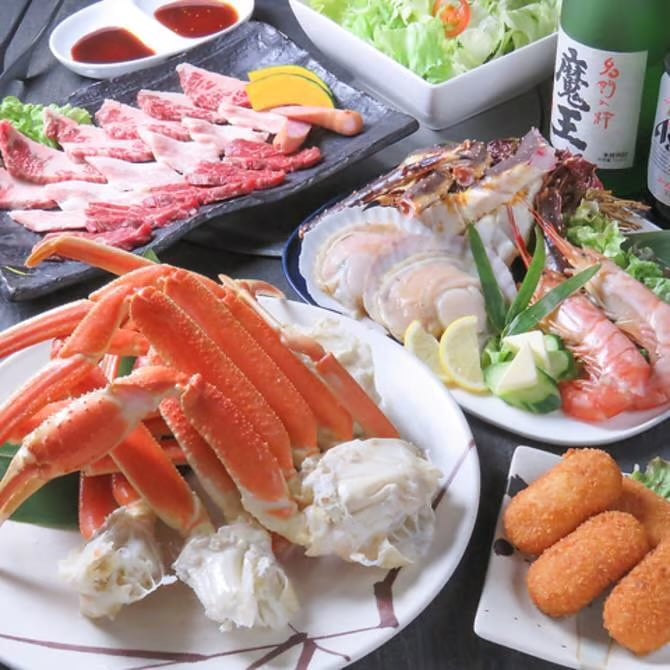
Kani Kani Tei & Ajiya
https://tenposstar.com/ja/merchant/64b885e820eff
Enjoying crab sashimi at a traditional Japanese restaurant: Freshness is key when it comes to crab sashimi, which is served at high-end restaurants. The translucent crab meat, lightly seasoned with soy sauce or ponzu, is the pinnacle of delicate Japanese food culture.
Irresistibly fragrant: Grilled crab: Lightly grilling the crab over charcoal makes the crab meat plump and adds a fragrant flavor.

Kani Kani Land
https://tenposstar.com/ja/merchant/659f7919b076b
The ultimate final dish: Crab porridge: Crab porridge is made by simmering rice and eggs in the broth left over from crab hotpot or boiling. It is the perfect final dish born from the Japanese spirit of "mottainai" (not wanting to waste) and wisdom, allowing you to enjoy the delicious flavor of crab down to the last drop.
Snow crab fishing embodies Japan's philosophy of striving for a "sustainable society" and the fishermen's "pride as artisans."
1. Thorough resource management
Japan's snow crab fishing industry is subject to some of the strictest resource management in the world.
Fishing season restrictions: The fishing seasons for males and females are strictly separated and limited to certain periods to protect the spawning season.
Shell size limits: Crabs that are too small are never caught and are returned to the ocean for future stockpiles.
Management by tagging: The aforementioned brand tags certify when and where the crab was caught, and also serve to prevent overfishing by making distribution routes transparent.
This thorough management system is possible because Japanese fishermen share a strong sense of responsibility to protect resources and continue to provide high-quality products for future generations.
2. Fisherman's Pride
Fishermen in the Hokuriku region risk their lives to fish in the harsh natural environment of the rough Sea of Japan. They don't just catch crabs; they take great pride in their craftsmanship, selecting the best crabs, handling them carefully, and bringing them back to port at the freshest possible condition. The high prices that crabs fetch at the auction are proof of their skill and experience.
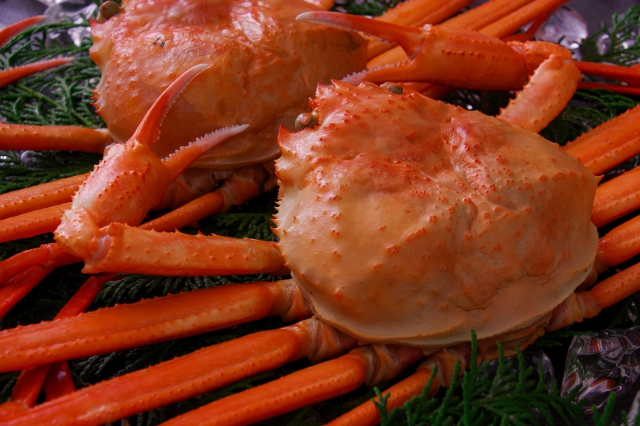
The Hokuriku region is full of Japanese charms other than crab. While enjoying crab cuisine, you can also enjoy the surrounding culture and sightseeing.
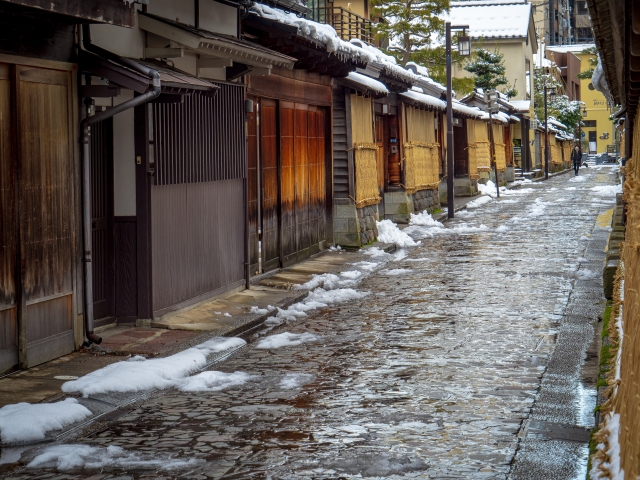
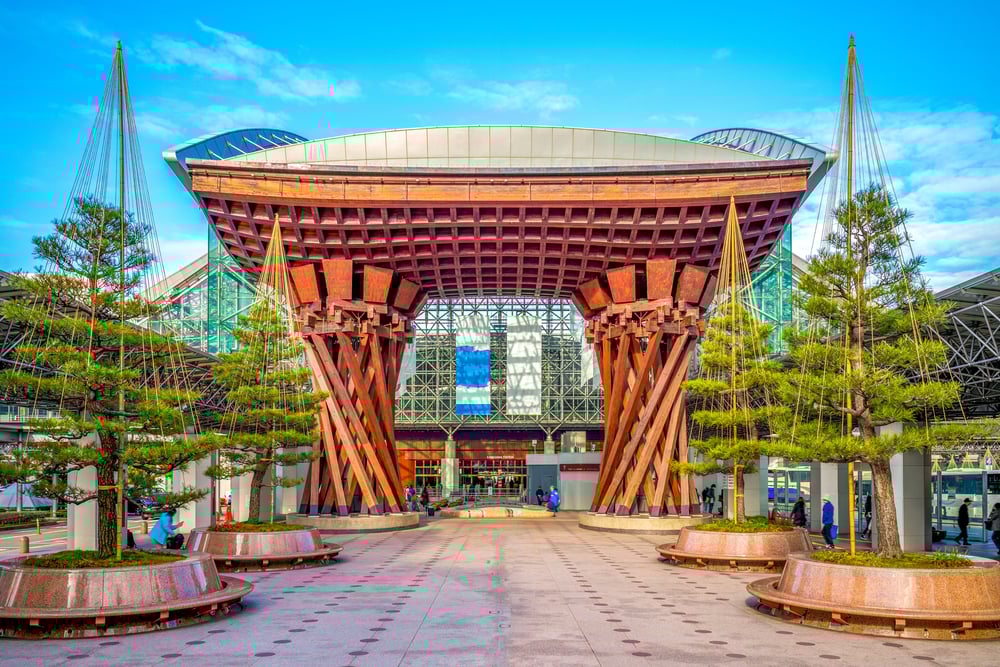
Kanazawa (Ishikawa Prefecture): After enjoying the "Kano crab," you can stroll through the beautiful Kenrokuen Garden and the historic Higashi Chaya District. Omicho Market, offering fresh seafood, is a gourmet treasure trove.
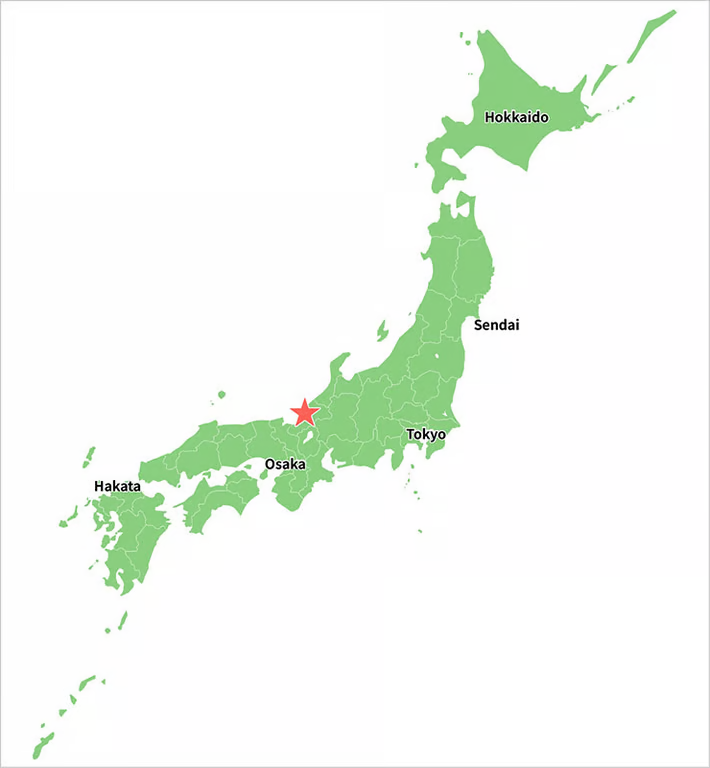
Fukui: After enjoying Echizen crab, you can visit Eiheiji, a Zen temple that is a national treasure, and the Fukui Prefectural Dinosaur Museum, famous for its dinosaur fossils.
Hot Spring Culture: Japanese hot springs are the perfect way to warm up your chilled body. Hokuriku is dotted with historic hot spring resorts such as Yamashiro Onsen and Awara Onsen. Enjoy the perfect combination of crab dishes and hot springs to fully enjoy Japan's winter.
The lifting of the ban on snow crab fishing is a beautiful seasonal event that heralds the arrival of winter in Japan.
A single crab is packed with the hard work of the fishermen, the culture of respecting seasonal foods, and the Japanese philosophy of sustainability. The appeal of crab is multiplied when you savor it not just as a delicious food, but also when you experience the Japanese spirit behind it.
So, this winter, be sure to visit Hokuriku, experience the freshest snow crab, and get a feel for the depths of Japan.
* Please note that the crab restaurants introduced in this article are located outside the Hokuriku region .