


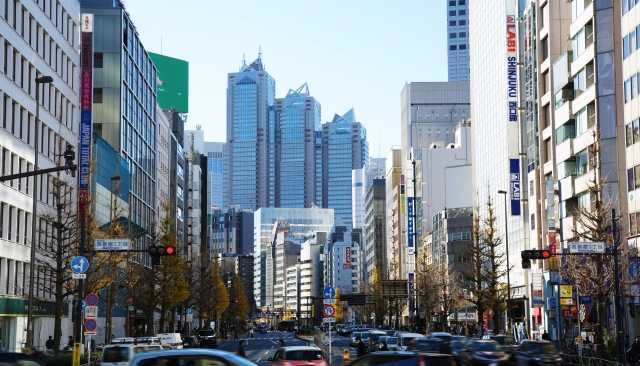
Winter in Japan is a season when the air is clear and the night illuminations are beautiful. In the middle of this cold winter, when February comes, cities all over Japan become even more lively.
The reason is Valentine's Day, which falls on February 14th. However, Valentine's Day in Japan may be a little different from the customs in your country.
Treat yourself! Check out these amazing Valentine's Day chocolates from Japan

This time, we will provide a gentle explanation of Valentine's Day culture, which has evolved in a unique way in Japan, including its origins, how to enjoy it, and the charms of Japan that can only be experienced at this time of year.
In many countries, Valentine's Day is a day when men give gifts to women, or when two people in love give gifts to each other to confirm their love. It is common to give bouquets of flowers, jewelry, and enjoy a nice dinner.
However, in Japan, the unique style of "a day when women give chocolate to men as a declaration of love" was mainstream for a long time.
This was largely influenced by campaigns run by Japanese chocolate manufacturers and department stores from the 1950s to the 1970s. The catchphrase "Once a year, it's OK for women to express their love" was very refreshing and encouraging to the reserved Japanese women of the time.
As a result of this culture taking root, Valentine's Day has become strongly associated with the idea of "the day when women choose chocolate."
Today, Valentine's Day in Japan is not just a day to confess your feelings to someone you like. Chocolates have various names depending on the recipient and the purpose of the gift. This is another intricate and interesting culture that is uniquely Japanese.
Honmei chocolate:
This is the original form. Chocolate is given to loved ones, lovers, husbands, and other important partners with love. Many people choose slightly more expensive brands or make their own.
Obligatory chocolate:
It is a gift given to bosses, colleagues, male friends, etc. at work to express gratitude for their daily support. It is more of a greeting of "thank you for everything" than a sign of "love."
Friend chocolate:
This is the most popular thing these days. Girls or close friends exchange chocolates with each other. Cute designs that make you want to take photos are popular.
Reverse Chocolate:
This style has become popular recently, and is given by men to women. It is close to the original global standard, but what's interesting is that in Japan it is called "reverse."
Reward chocolate (my chocolate):
These are special chocolates that you buy not as a gift for someone else, but for yourself. The idea of "treating yourself" is very important in Japan today, and more and more people are enjoying the luxury of choosing the finest chocolates that are only available at this time of year.
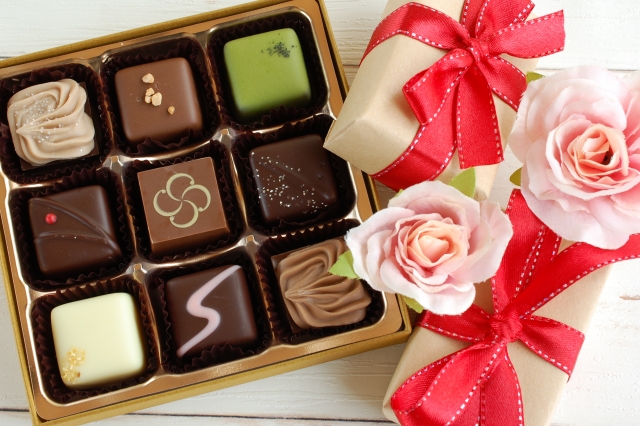
As Valentine's Day approaches, major department stores and shopping malls in Japan set up large chocolate exhibition areas that resemble art museums enveloped in the sweet aroma.
The world's best craftsmen gather together:
Famous chocolatiers from around the world, including France, Belgium, and Italy, come to Japan just in time for this time of year. The limited edition boxes they create just for Japan are so beautiful, like works of art, that it's almost a shame to eat them.
A taste of Japanese "Wa":
The amazing thing about Japanese chocolate is how it skillfully incorporates traditional Japanese ingredients. "Wa no Chocolat" combines chocolate with the aromas unique to Japan, such as matcha, roasted green tea, yuzu, sake, wasabi, and sesame, making it a must-try for foreign tourists.
Packaging Considerations:
The charm of Japan lies not only in the contents, but also in the beautiful box design and wrapping. Boxes made with washi paper and packages with intricate illustrations make the joy of receiving a gift many times greater.
If you're visiting Japan between late January and mid-February, be sure to check out the chocolate section of a department store. There you'll find Japanese hospitality and a passion for food.
Enjoy tasting the chocolates, listening to detailed explanations from the store staff, and finding your favorite one will surely become a wonderful memory. There are also many cafes that serve chocolate-flavored sweets and drinks that are only available during this time of year.
Enjoying a special chocolate in a warm cafe after a walk outside in the cold is one of the most luxurious ways to spend a winter in Japan.

As times have changed, Japan's Valentine's Day culture has expanded from a celebration of confessing love to an event for expressing gratitude.
Giving a single chocolate expresses feelings such as "I'm grateful for your continued support" or "I'm glad you're a good friend." This seems to symbolize the kind-hearted nature of the Japanese people, who cherish the consideration of others.
Another interesting custom unique to Japan (and some Asian countries) is that the man who receives a gift gives a return gift one month later on White Day, March 14th. This culture is supported by the Japanese politeness of always giving a polite return gift when you receive a gift.

Valentine's Day in Japan is a special time when women take center stage and the whole city is enveloped in a sweet magic.
It is filled with the power of Japan, a country that brings together delicious food from all over the world, the creativity that blends tradition with modernity, and above all, the warm feelings of caring for others.
If you have an interest in Japan, why not visit Japan someday during this time and choose the best chocolate for yourself or someone special?
The bright red hearts and sparkling boxes of chocolates are sure to make your trip to Japan even sweeter and more dazzling.
We hope that Valentine's Day in Japan will make your days happier.
Perfect for winter walking! Check out our guide to staying warm in Tokyo in February