

Happy new year!!
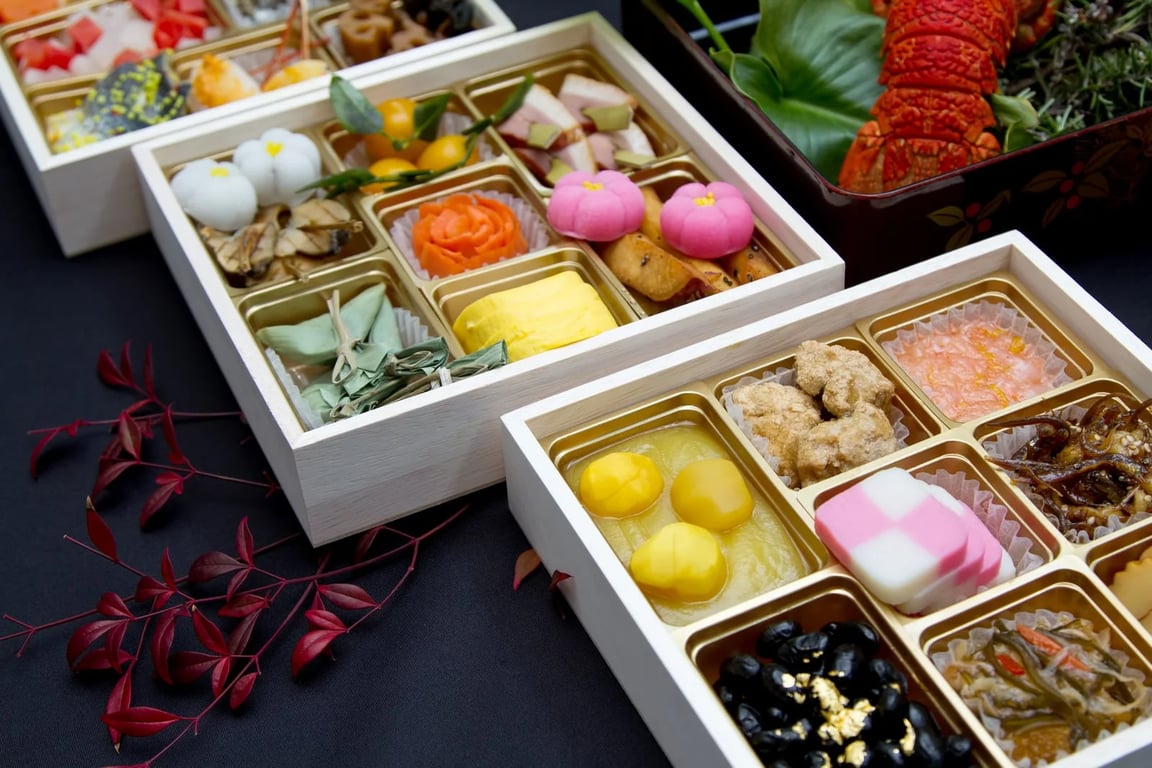
When welcoming the new year in Japan, there is a special dish that brightens up the dining table: osechi ryori.
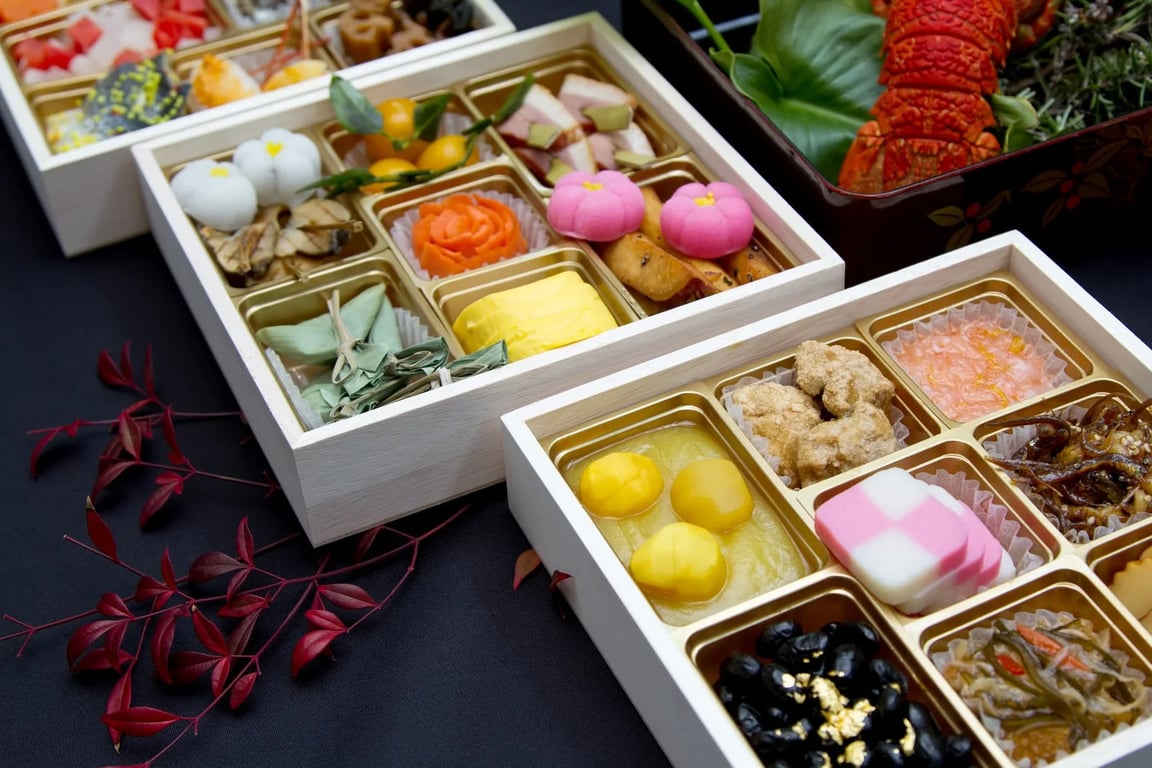
Last time, we introduced the overall gourmet food for New Year's, but this time we will focus on "osechi," a particularly profound dish packed with Japanese culture and wisdom, and explore its appeal in detail.
Osechi cuisine is not only delicious, but each dish is imbued with a heartwarming message of wishes for family health, prosperity, and peace. Learning about these meanings will make your New Year's more enjoyable and help you gain a deeper understanding of the Japanese spirit.
Also check out "Osechi, Mochi, and Toshikoshi Soba! A Complete Guide to Japanese Gourmet New Year's for Foreign Visitors"
https://tenposstar.com/articles/r/3881
First, let's take a look at what kind of food osechi ryori is and the Japanese way of thinking behind it.
1. The New Year's custom of not using fire
Many osechi dishes are heavily seasoned and cooked thoroughly so that they can be preserved for a long time. This is to save the effort of cooking over fire in the kitchen during the New Year (from January 1st to the first three days of the New Year).
Since ancient times, New Year's has been considered a sacred time to welcome a god called "Toshigami-sama" into the home. During this time, it was thought to be important for families to take a break from housework, treat the god with kindness, and relax.
In other words, osechi ryori is "the wisdom of women (housewives) to rest" and "the preparation for the family to come together and welcome the gods." The time-consuming and labor-intensive cooking also plays a role in deepening family ties.
2. The Rules of the "Jubako" Box: The Aesthetics of Layering Happiness
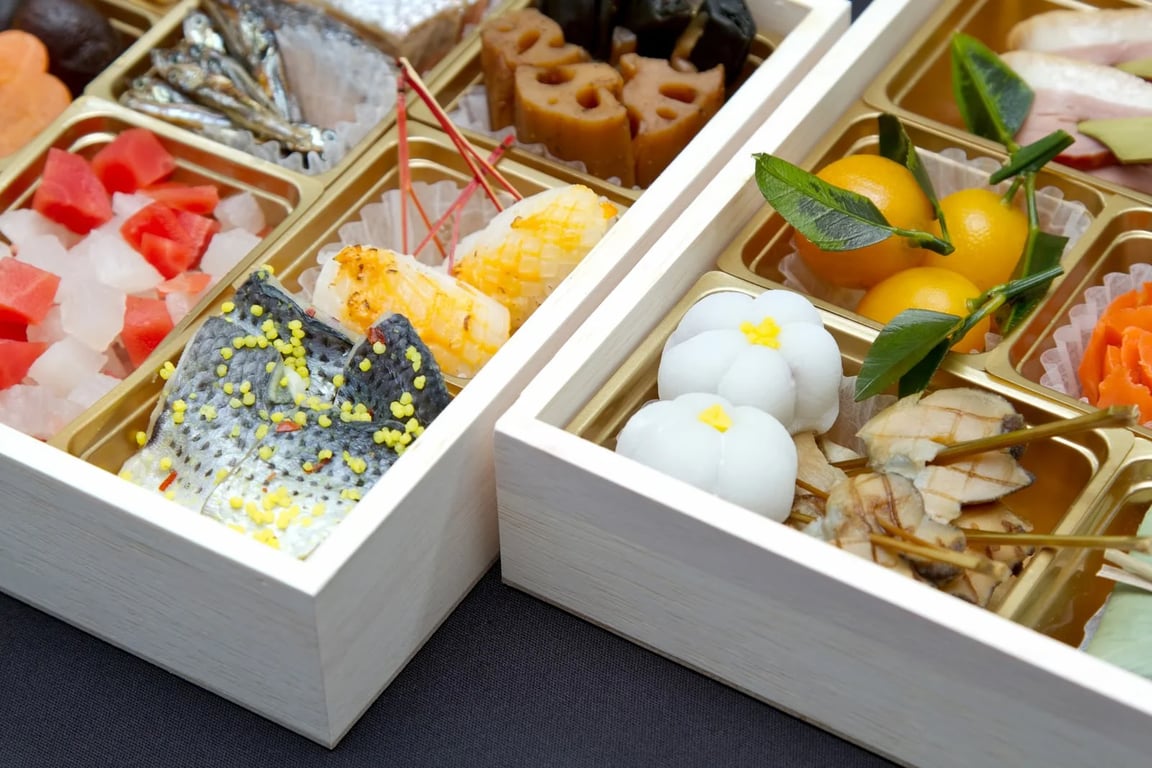
Osechi dishes are packed in beautiful lacquered boxes called "tiered boxes." The number of tiers in these boxes also has a special meaning.
Nowadays, three-tiered boxes are common, and the act of "stacking" itself carries the auspicious wish of "stacking joy" and "accumulating happiness."
• First tier: Celebratory snacks (snacks to go with sake) and sweets (kuchitori, etc.)
• Second layer: Grilled dishes (yakimono, seafood) and vinegared dishes (sunomono)
• Third layer: Boiled food (mountain produce)
In this way, we pack a balanced mix of seafood and mountain produce, praying for an abundant diet throughout the year.
In addition to the classic dishes introduced in our previous article, there are many other auspicious dishes in osechi. Here we will introduce some particularly interesting dishes that are said to bring good fortune.
1. Family unity and career advancement
• Pounded burdock root:
◦ This dish is made by pounding burdock root to soften its fibers. Burdock roots grow deep in the earth, so it symbolizes "a stable foundation for the house" and "things taking deep root." The shape of the root, which opens up when pounded, also embodies the wish for "good fortune."
• Braised Shrimp:
◦ When shrimp are cooked, their backs become curved. This shape is a symbol of longevity, meaning they will live long enough to bend their backs. Their bright red color also serves as a talisman against evil spirits.
• Teriyaki Yellowtail (Buri):
Yellowtail is a representative of the "shusseuo" fish, which means that its name changes as it grows. Eating this dish is meant to pray for success in work, and to "may I be successful this year as well."
2. A symbol of joy and peace
• Kobumaki (seaweed rolls):
◦ Konbu (kelp) is a symbol of joy because its name sounds similar to the word "yorokobu" (to be happy). Long konbu also symbolizes a wish for longevity.
• Reins konnyaku (tatsuna konnyaku):
◦ This dish is made from konjac woven into a braided shape. Because its shape resembles a horse's reins, it is said to bring good fortune and discipline, such as "tightening the reins" and "winning on the battlefield." It is also said to bring good manners and etiquette to women.
3. Enjoy the beauty of the seasons
• Datemaki:
◦ It is a sweet, thick omelet-like dish made from egg and fish paste (surimi). Its scroll-like shape resembles the old "makimono" (scrolls, books), and so it symbolizes wishes for "increased knowledge" and "cultural development." Its gorgeous appearance (date) is also valued.
By deeply savoring osechi cuisine, you can see the unique characteristics of Japanese food culture.
1. The concept of "Yin-Yang and the Five Elements"
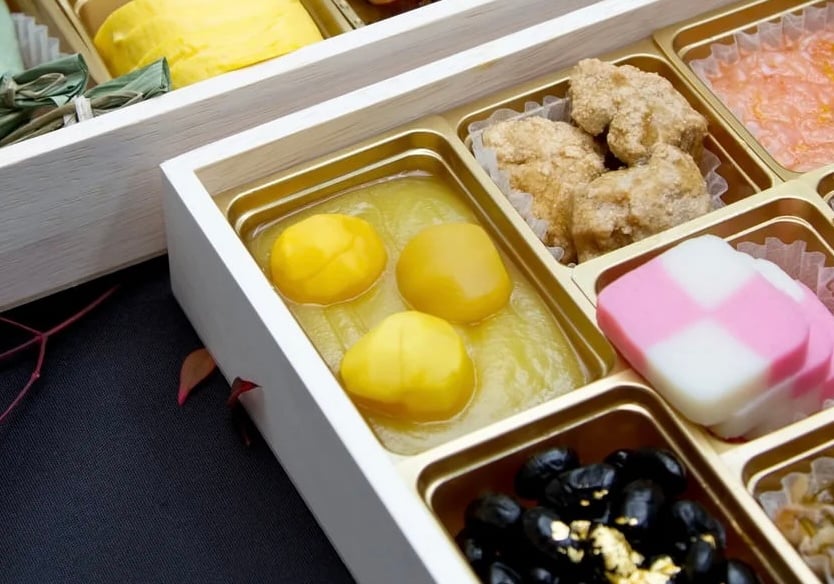
Osechi cuisine is not only auspicious, but its colors and flavors also reflect the concept of Yin-Yang and the Five Elements, which respects the balance of nature.
• Five colors: Black (beans), red (shrimp, kamaboko), yellow (chestnut paste), white (kamaboko, radish), green (vegetables, beans). By incorporating these five colors in a balanced way, we hope to achieve harmony throughout the body.
• Five Flavors (Gomi): The five flavors of sweet, salty, sour, bitter, and spicy are used in a balanced way to ensure that you won't get bored of eating it.
In this way, osechi is a very rational dish that pursues nutritional balance, beautiful appearance, and health at the same time.
2. Local flavors, home-cooked flavors
Although there are basic elements to osechi ryori, the contents of the dishes vary greatly depending on the region and household. For example, areas with an abundance of seafood tend to have more fish dishes, while inland areas tend to focus on boiled vegetables and beans.
Osechi is a culmination of "home-cooked flavors" that have been handed down for generations, using locally sourced ingredients. If you have the opportunity to enjoy osechi in a Japanese home, be sure to ask, "What meaning is embedded in this dish?" Your grandmother or mother will surely smile and tell you a heartwarming story.
Steps to enjoy Osechi 10 times more
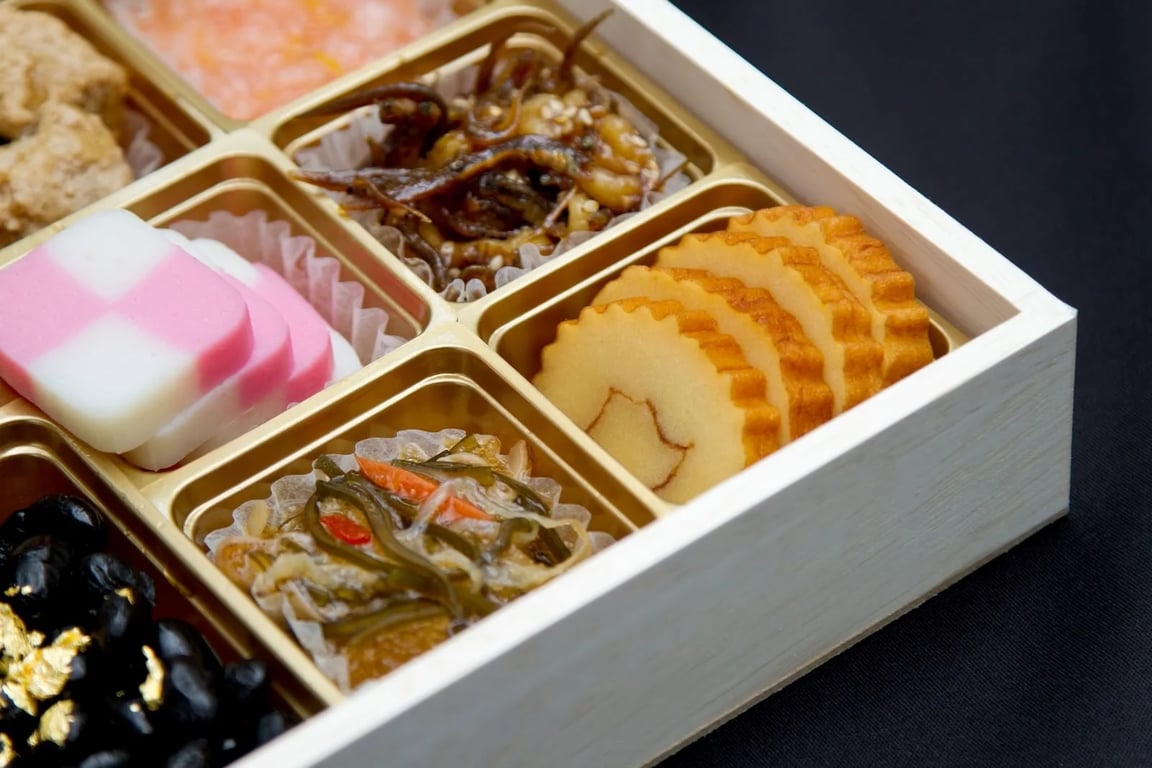
Here are some easy steps to help you, as a foreign visitor to Japan, enjoy osechi even more.
1. Have fun looking up meanings:
Before you eat, take a photo of the food in the box and try to understand the meaning of each item. It will begin to look more like a wish list than just food.
2. Learn about the culture of "cold dishes":
◦ Osechi dishes are generally served cold. Understand that this is based on the custom of not cooking them, and enjoy the wisdom of preserving food.
3. With sake (local sake):
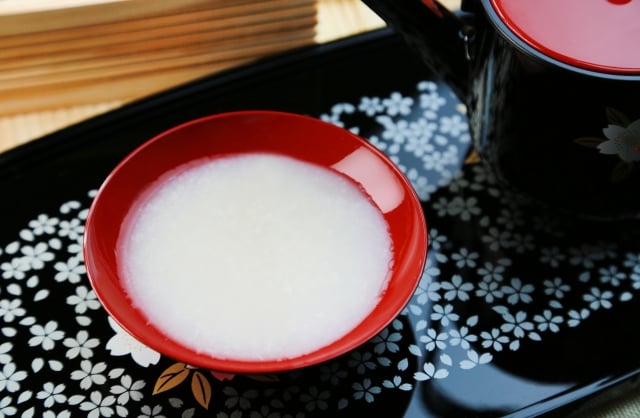
◦ In Japan, celebratory appetizers are enjoyed slowly with otoso (new year's sake) such as sake or amazake (sweet sake). The strong flavors of osechi go well with alcohol.
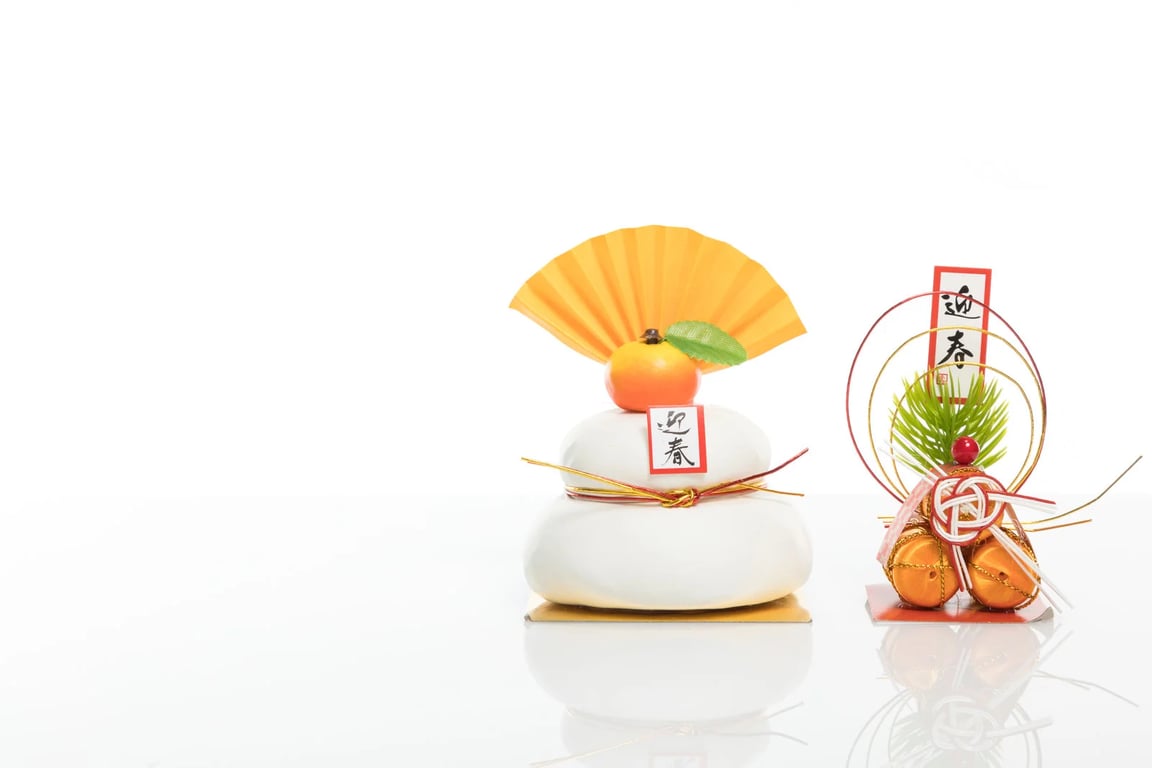
Osechi cuisine is a symbol of the warm culture that teaches us how much the Japanese people value the happiness and health of their families.
Not only is it delicious, but knowing the reason why you are eating it increases the value of the food ten or even a hundred times.
During the Japanese New Year, be sure to experience the country's warm hospitality and deep cultural charm through beautiful osechi cuisine.
Also check out "How to Ride the Shinkansen: Tips for a Comfortable Trip for Beginners and Veterans"
https://tenposstar.com/ja/articles/r/3811
![[2026 Update] Head to Minamiboso in Winter! A Day Trip Driving Plan to Enjoy Spectacular Views, Strawberries, and All-You-Can-Eat Seafood](https://imagedelivery.net/0Xfr734EZhL-f9btSNh4FQ/uploads/article/01KEXH672R9D8EBMSS85QFC7AS.jpg/public)