

Japan's seasonal customs are fascinating elements that enrich and color our lives. In this article, we will introduce a special custom surrounding the winter solstice, the day with the longest nights of the year.
The winter solstice has been considered the turning point of "Ichiyo Raifuku," when the sun's power is at its weakest and then begins to grow stronger again the next day. This is an ancient belief that has been seen all over the world, but in Japan, there is a unique custom of eating pumpkin and taking a yuzu bath on this day.
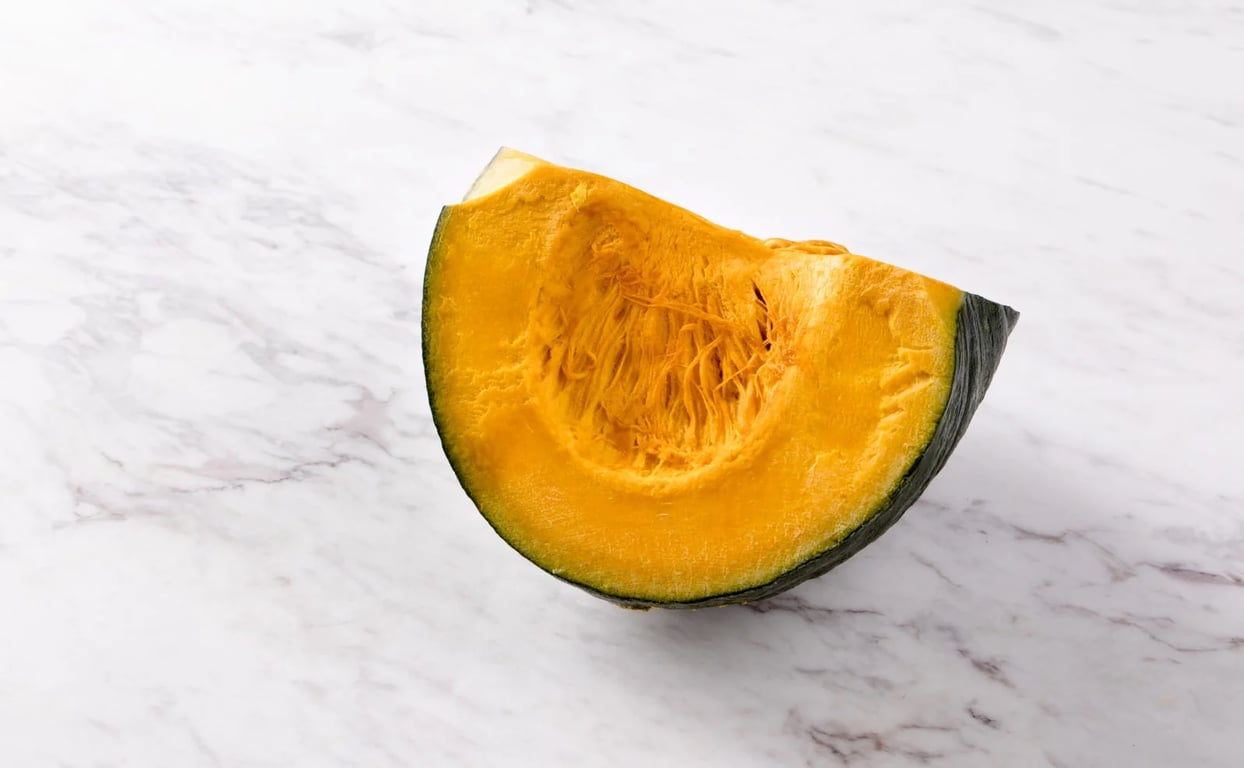
In this article, we'll take a deep dive into why Japanese people eat pumpkin on the winter solstice, the Japanese culture and health wisdom behind it, and the peace of mind that the winter solstice brings.
Check out "Chestnuts, sweet potatoes, pumpkins! A huge collection of heartwarming autumn sweets" ▼
https://tenposstar.com/ja/articles/r/3832
1. An important milestone in the calendar
The winter solstice is one of the 24 solar terms, and occurs every year around December 22nd. In the Northern Hemisphere, the sun is at its southernmost point, which means that the daytime hours are shortest and the nighttime hours are longest.
Since ancient times, this day has been an important day to celebrate overcoming this period of "extreme darkness" and the return of the sun's power. This idea is also linked to Japanese Shinto and Buddhism, and it has become ingrained in people's lives as an event that symbolizes not just an astronomical phenomenon, but regeneration and hope.
2. Wishing for the return of good fortune
"Ichiyou Raifu" is a four-character idiom that means "Just as winter passes and spring arrives, good things will come after a series of bad things." With this wish in mind, important festivals have been held at the Imperial Palace (the residence of the Emperor) since ancient times on the winter solstice.
It was believed that luck would improve from this day onwards, so celebrating the winter solstice was also an important period of preparation, during which people prayed for good health and freedom from illness, and had hopes for the new year.
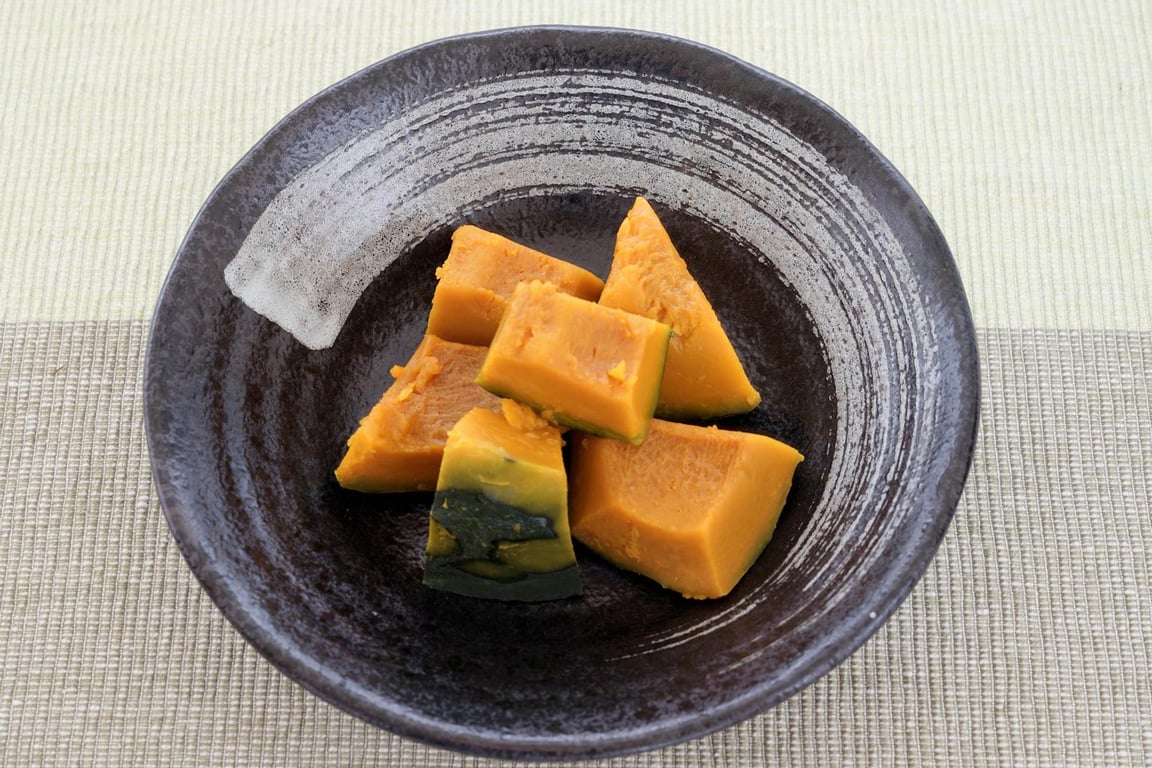
Now, back to the main topic. The custom of eating pumpkin on the winter solstice is full of Japanese wordplay and practical wisdom for getting through the harsh winter.
1. Lucky charms that bring good luck
In Japan, it has been believed that eating foods that start with the letter "n" on the winter solstice will bring you good luck. This is called "unmori" (luck-boosting).
Pumpkin (nankin): The kanji for pumpkin is "nankin," but it is also known as "nankin." This "nankin" has two "n"s.
Other foods that end with "n" are sometimes eaten together, such as carrots (ninjin), daikon (daikon), lotus root (renkon), ginkgo nuts (ginko), kumquats (kumquat), and udon noodles.
2. Health tips to survive the harsh winter
More than just a reason for "good luck," eating pumpkin on the winter solstice is a manifestation of the "practical wisdom for health" that the Japanese people have had since ancient times.
Nutritional powerhouse:
Pumpkins are harvested from summer to autumn and have excellent storage properties, making them a valuable source of nutrition during the cold winter months when fresh vegetables become scarce.
It is especially rich in vitamin A (beta-carotene), vitamin C, and vitamin E. These nutrients are said to boost immunity and help prevent colds.
Vitamin A strengthens mucous membranes and prevents rough skin, making it ideal for the dry winter months.
Body warming effect:
Pumpkin is considered a "yang" food, with a strong warming effect on the body among vegetables. Eating a warm pumpkin on a cold winter's day can warm the body from the inside and protect the body from the cold (coolness).
Pumpkins aren't the only custom associated with the winter solstice. Many homes and public baths have the custom of taking a yuzu bath.
1. Fragrance that wards off evil spirits
Yuzu has a strong fragrance. In Japan, it has long been believed that strong scents have the power to ward off evil spirits. Taking a yuzu bath on the winter solstice is said to purify the impurities of the past year and prepare for the new year.
2. Public bath culture and its health benefits
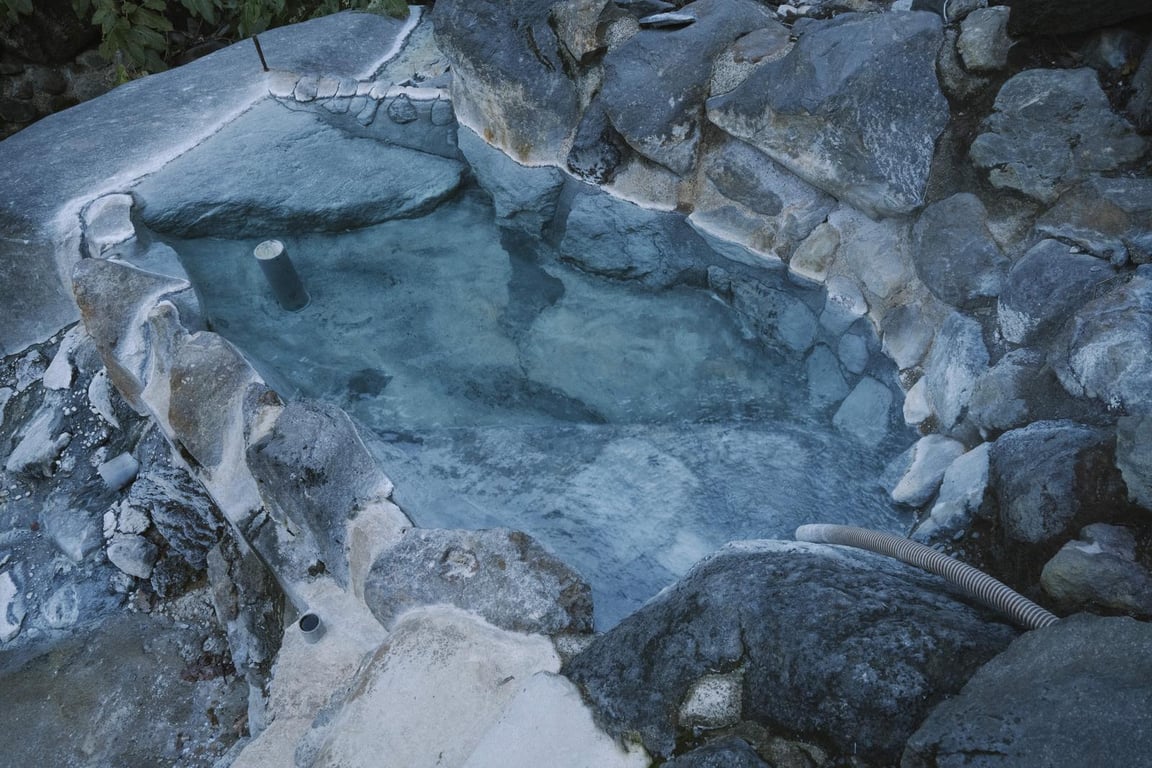
To make a yuzu bath, simply float lots of yuzu in the bathtub and the scent will fill the bathroom.
Relaxing effect: The refreshing scent of yuzu has an aromatherapy effect, relieving the fatigue of the day and bringing deep relaxation.
Promotes blood circulation: The ingredients contained in yuzu peel stimulate the skin and improve blood circulation, which is said to warm the body and relieve coldness and joint pain.
Eating pumpkin and warming up with a yuzu bath - this is the sophisticated wisdom of the Japanese people as they seek to maintain a healthy mind and body through the everyday actions of "eating and bathing."
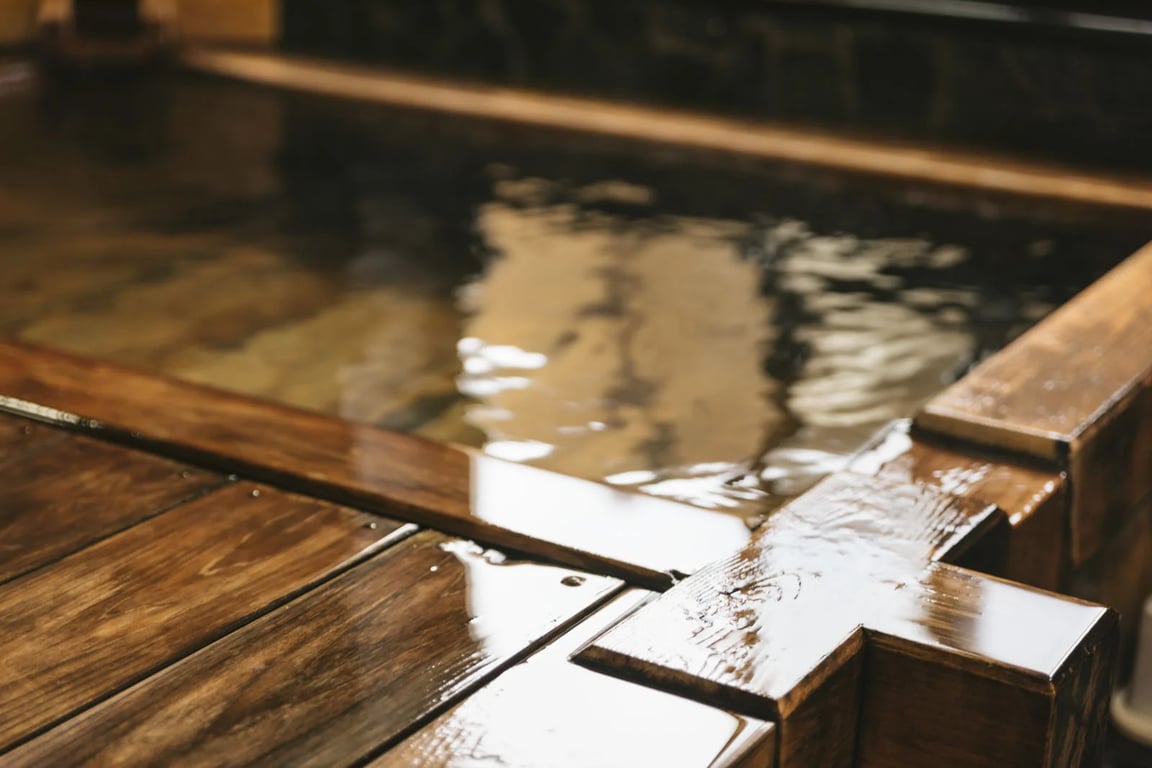
The customs of the winter solstice are not just ancient traditions. They are filled with fascinating Japanese values that are relevant to us living in the modern world.
1. Harmony with nature
Japanese people have always been sensitive to the changing of the seasons, embracing them and incorporating them into their lives. The custom of the winter solstice represents a spirit of harmony with nature, where people are aware of the cycle of nature and try to control their own destiny and health within it.
2. Time to deepen family bonds
The winter solstice is an important occasion for family bonding, with the whole family gathering around a warm bowl of boiled pumpkin and soaking in a yuzu bath. Sharing hot food and a bathtub on a cold night at home is a symbol of the comfort that Japanese families cherish.
3. The richness of a simple life
Pumpkin and yuzu. Neither are particularly luxurious ingredients. Using the bounty of nature that is readily available, and with a little ingenuity, the wisdom of a simple yet rich life is embodied in this winter solstice custom.
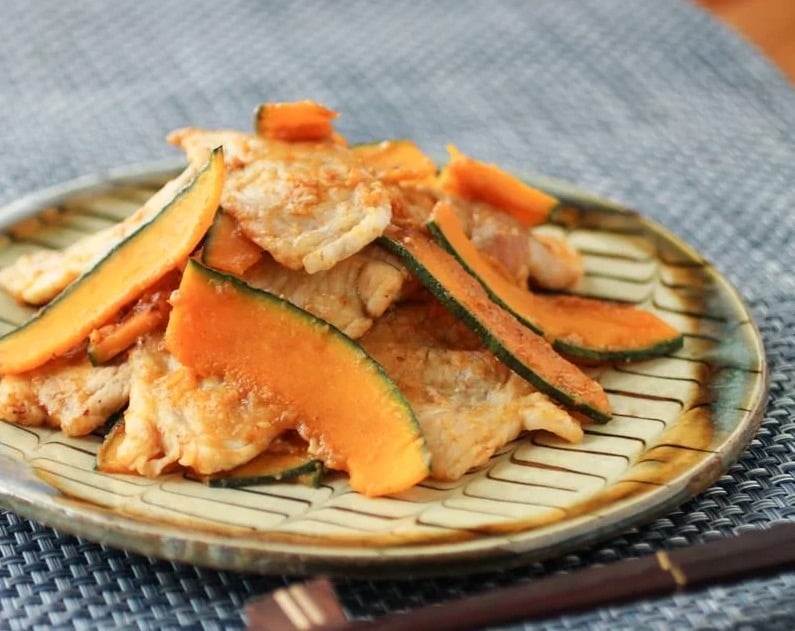
What did you think? From the simple question of "Why do we eat pumpkin on the winter solstice?" comes a glimpse into the respect for language, concern for health, and love of nature that have been cultivated over Japan's long history.
If you have the opportunity to visit Japan in December, be sure to buy a pumpkin at the supermarket, then take a yuzu bath at a public bath or inn and experience for yourself the "small winter joys" that Japanese people cherish.
Through these experiences, you will be able to further appreciate the depth and charm of Japanese culture.
Also check out "Introducing the history and characteristics of the local B-class gourmet dish, "Hoto" in Yamanashi Prefecture" ▼
https://tenposstar.com/ja/articles/r/1469
![[2026 Update] Head to Minamiboso in Winter! A Day Trip Driving Plan to Enjoy Spectacular Views, Strawberries, and All-You-Can-Eat Seafood](https://imagedelivery.net/0Xfr734EZhL-f9btSNh4FQ/uploads/article/01KEXH672R9D8EBMSS85QFC7AS.jpg/public)