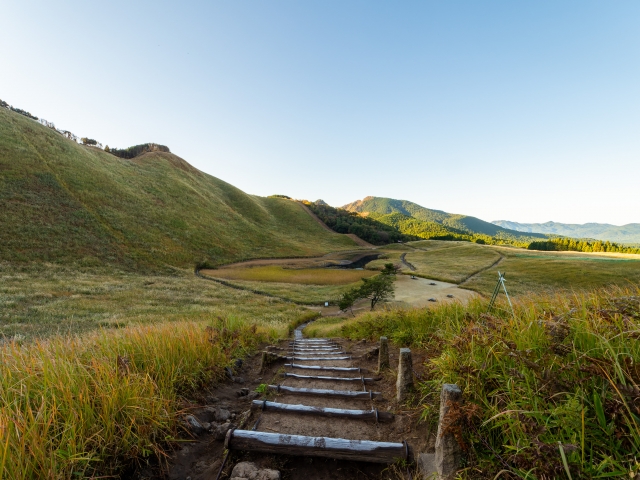


Autumn in Japan is not just about the autumn leaves. Before the mountains turn red and yellow, there is a special sight of a "golden carpet" spreading across the land.
That place is the Soni Plateau in the Kansai region.
In this article, we'll introduce the breathtaking views of the Japanese pampas grass of the Soni Plateau that inspire all visitors, Japan's hot spring culture that soothes travel fatigue, and the appeal of traditional local cuisine. We'll guide you on a bountiful autumn journey in Japan.

Soni Plateau is located near the border between Nara and Mie prefectures, at an altitude of about 900 meters. From spring to summer, the scenery resembles a green pasture, but in autumn the scenery changes completely.
The transformation into a "golden meadow"
The main attraction of the Soni Plateau is the Japanese pampas grass.
Late September: The silver grass is still green or light brown. At this time, the fresh breeze blows through, making it the perfect time for hiking.
Mid to late October: The heads of silver grass emerge and begin to shine golden in the sunlight. The entire plateau is transformed into a magnificent sight, like a golden blanket spread across it. When the wind blows, the heads of silver grass flutter all at once, creating a sight known as "golden waves" that never fails to capture the hearts of visitors.
November: As the leaves change color, the Japanese pampas grass deepens in color, and at sunset it takes on a silvery glow. At this time, the majestic Mount Kabuto and Mount Yoroi towering behind the plateau further enhance the beauty of the Japanese pampas grass.
The best season to visit the Soni Plateau is from October to November, when the pampas grass is at its most beautiful.
The Art of Sun and Japanese Pampas Grass: The Charm of Evening and Night Views
At Soni Plateau, the pampas grass shows completely different looks depending on the time of day.
Sunset and Japanese pampas grass: As the sun sinks behind the western mountains, the golden Japanese pampas grass gradually changes color to orange, red, and purple. The magnificent gradation created by the sky and Japanese pampas grass is truly a work of art created by nature. The silhouette of the Japanese pampas grass illuminated by the setting sun captivates not only Japanese people, but photographers and tourists from all over the world.
Traces of mountain burning: The beautiful pampas grasslands of the Soni Plateau are actually protected by a traditional practice called "yamayaki" that local people perform every spring. This mountain burning is an important ritual that prevents the growth of plants other than pampas grass, maintaining a beautiful pampas grassland that is entirely covered with pampas grass. Japan's nature doesn't just exist there, it is also carefully protected by human hands.
After enjoying the spectacular views and hiking the plateau, there's no better way to warm up your chilled body and tired soul than in a hot spring, a place deeply rooted in Japanese culture.
There is a popular hot spring facility close to the Soni Plateau that can be enjoyed on a day trip.
Reset your mind and body at Okame no Yu
Okame no Yu at Soni Kogen Onsen is characterized by its sodium bicarbonate spring water, which is gentle on the skin. It is also known as the "bath for beautiful skin" because it leaves your skin feeling smooth after soaking in the bath.
One of the great attractions of Japanese hot springs is not just the bath itself, but the view that can be seen from it. From the open-air bath at Okame-no-Yu, you can enjoy a magnificent view of the Soni Plateau and the surrounding mountains.
How to enjoy an open-air bath: An open-air bath is a bath located outside a building. Feeling the pleasant autumn breeze and gazing at the natural scenery unfolding before your eyes, an open-air bath is not just a simple bath, but a "special time to experience nature with all five senses." Try soaking slowly in the water while imagining the scenery of Japanese pampas grass.
Rules of Japanese hot spring culture
When visiting hot springs in Japan, there are a few rules that foreign visitors may find confusing.
"Kakeyu" before bathing: Before entering the bathtub, pour hot water over your entire body (especially your feet) to prepare for washing. This is important etiquette not only to cleanse your body, but also to avoid putting strain on your body due to the sudden change in temperature.
Do not bring towels into the bathtub: It is bad manners to bring towels into the bathtub. Towels should be placed on your head or outside the bathtub.
Don't shout: Onsen are places for relaxation and quiet. Please enjoy your bath quietly and without disturbing others.
If you know these rules, you too can enjoy hot springs to the fullest, just like the Japanese do.
3. Autumn Tastes of Yamato: The Charm of Local Food
Nara Prefecture, where the Soni Plateau is located, was once the prosperous center of Japan, known as Yamato Province. This region is home to a simple and delicious food culture nurtured by its abundant nature.
Persimmon Leaf Sushi, a local Nara dish
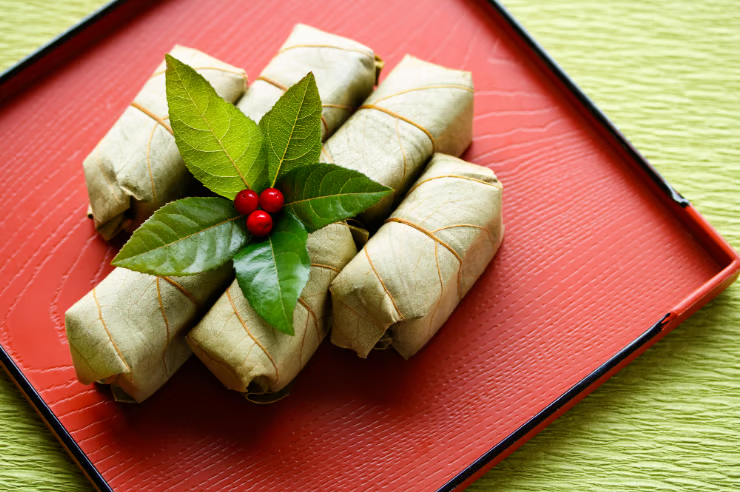
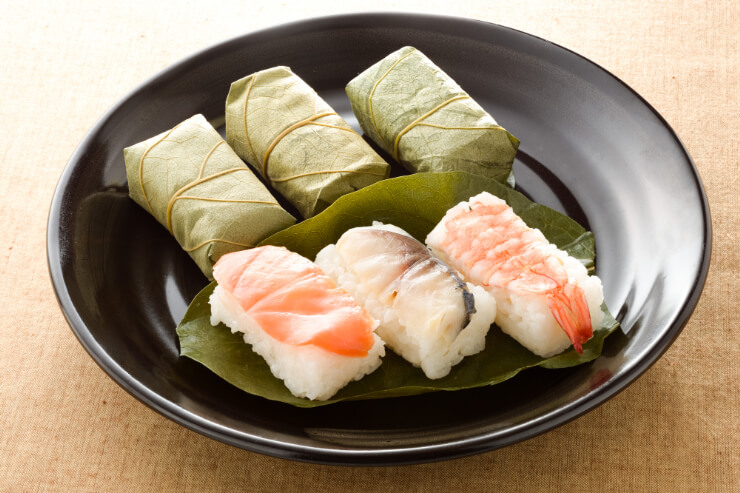
One of Nara's most famous local dishes is persimmon leaf sushi (kakinohazushi).
This is sushi made by placing salted mackerel or salmon on bite-sized pieces of vinegared rice, and then wrapping each piece in a persimmon leaf and pressing it down. Persimmon leaves have antibacterial properties, and this dish was born from the wisdom of people in the past as a way to preserve food.
What's great about it: The refreshing scent of the persimmon leaves that spreads the moment you open them combines with the umami of the fish to create a unique flavor. It's also perfect as an autumn picnic lunch to take on a hike in the Soni Plateau.
Please also check out "What is Nara's local B-class gourmet food, Persimmon Leaf Sushi? Introducing its characteristics and history!" ▼▼
https://tenposstar.com/ja/articles/r/1407
Simple gifts from the mountains: rice and miso

The Soni Plateau region has a climate with extreme temperature differences and pure water, which allows them to produce delicious rice. Autumn is the time when the new rice is harvested.
Additionally, Yamato miso production has been popular in the Nara Basin since ancient times.
Pairing with mountain delicacies: At the inns and restaurants in Soni Village, local new year rice is cooked and served with warm miso soup (miso-shiru) filled with plenty of wild vegetables and mushrooms. The combination of nutritious miso soup and plump, newly cooked rice is the ultimate "blessings of the earth" for your tired body after viewing the spectacular scenery.
Golden Dashi and Obanzai Kiki Today's Whimsical
https://tenposstar.com/ja/merchant/684639629ad1b

3. The final dessert is "kudzu mochi"
For dessert after your meal, we recommend sweets made with Yoshino Honkuzu, a specialty of Nara.
Kuzumochi is a Japanese sweet characterized by its clear, chewy texture. It is served chilled with brown sugar syrup and kinako soybean flour. Its delicate sweetness, which melts in your mouth, evokes the Japanese aesthetic of "wa."
How to get to Nara
There are various ways to get to Nara. Here are some recommended ways to get there. Travel time may vary depending on the season and weather.
If you are heading to Nara from Osaka's Kansai Airport or Itami Airport, you can take a direct bus and arrive in about 1 hour and 30 minutes. If you are heading from JR Osaka Station to JR Nara Station, it will take about 50 minutes.
If you're heading to Nara from Tokyo by JR, it will take about 3 hours and 30 minutes. Take the train from JR Tokyo Station to JR Kyoto Station (about 2 hours and 45 minutes), and then from JR Kyoto Station to JR Nara Station (about 45 minutes).
If you're heading to Nara from Nagoya by JR, it will take about an hour and a half. Take the train from JR Nagoya Station to JR Kyoto Station (about 30 minutes), and then from JR Kyoto Station to JR Nara Station (about an hour).
If you are heading from Kobe to Nara, it takes about 1 hour and 30 minutes from Hanshin Kobe-Sannomiya Station to Kintetsu Nara Station.
We also recommend taking a leisurely drive to Nara. Please try to find the best way to get there.
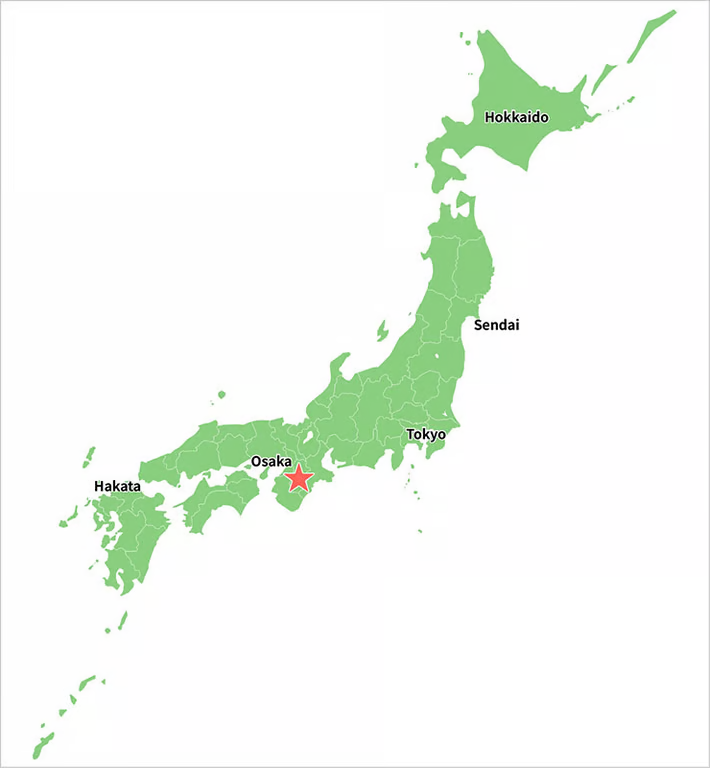
Location of Nara Prefecture

A trip to the Soni Plateau is more than just sightseeing. You can cleanse your soul in the sea of golden silver grass, soothe your body in historic hot springs, and savor the simple yet profound local cuisine.
Here you can experience the healing power of Japan's autumn scenery, culture, and cuisine.
So why not visit the Soni Plateau during the beautiful months of October and November and discover the special charms of autumn in Japan?
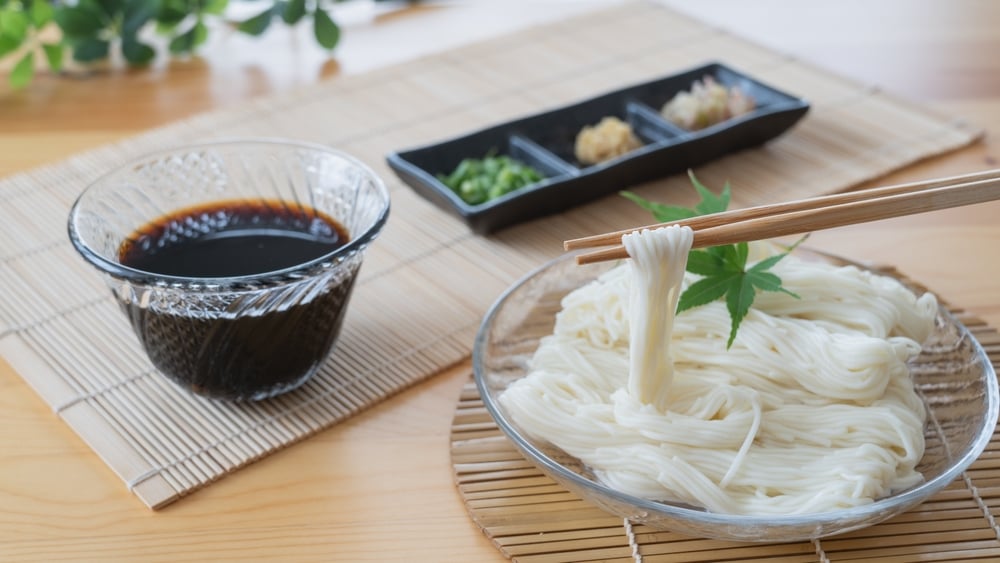
![[Nara Prefecture] Introducing the history and characteristics of the local B-class gourmet food "Kuzumochi"!](https://imagedelivery.net/0Xfr734EZhL-f9btSNh4FQ/uploads/article/01JWYSHZ33D0RY5CYPEVBDN76K.jpg/public)