![[2026 Update] Head to Minamiboso in Winter! A Day Trip Driving Plan to Enjoy Spectacular Views, Strawberries, and All-You-Can-Eat Seafood](https://imagedelivery.net/0Xfr734EZhL-f9btSNh4FQ/uploads/article/01KEXH672R9D8EBMSS85QFC7AS.jpg/public)



All four seasons in Japan are beautiful, but if you want to experience the spirit of "true Japan" and the warmth of its people, February is the best season.

Many tourists come to Japan to see the cherry blossoms in April and the autumn leaves in November, but in February, a culture of "prayer" lives on as people quietly yet powerfully await the arrival of spring.
In this article, we will focus on traditional rituals that herald spring and explain why you should visit Japanese shrines and temples in February.
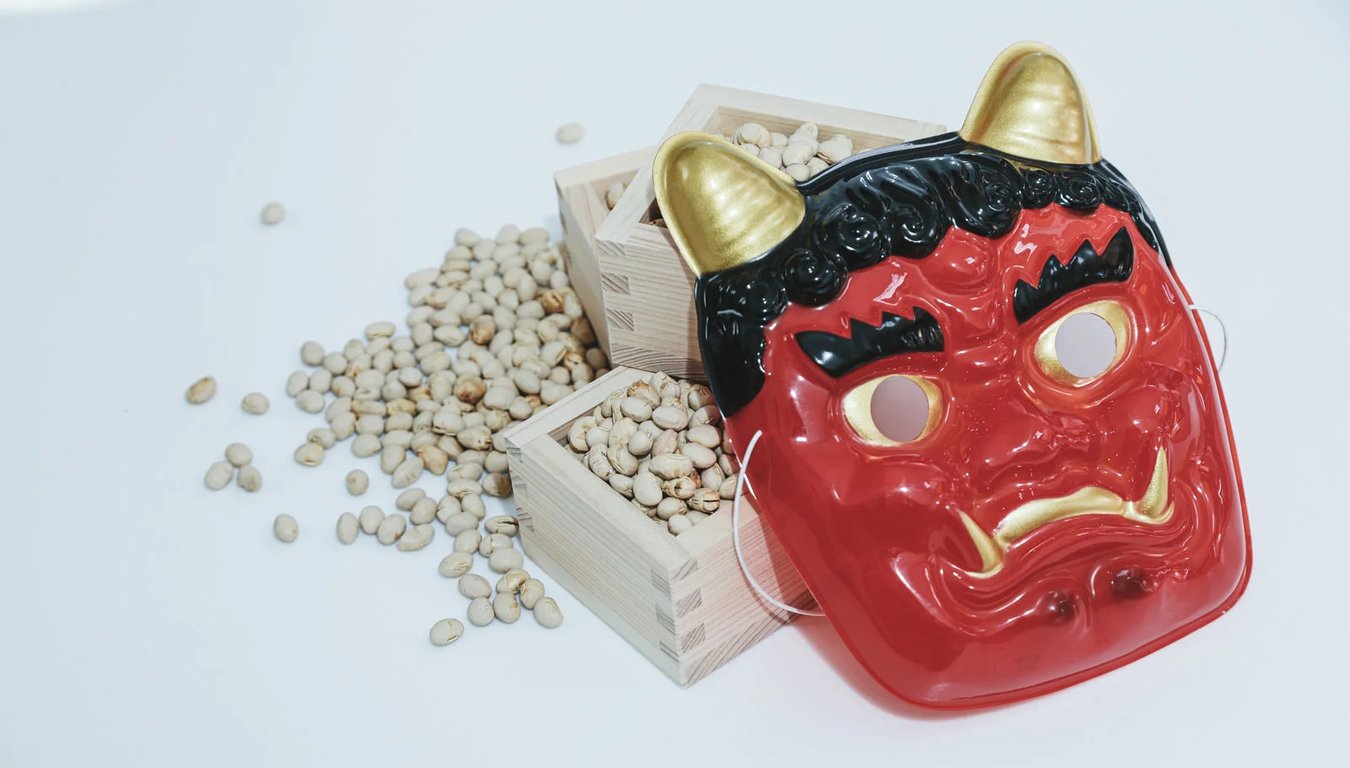
In Japan, there is an event called "Setsubun" that takes place around February 3rd. This is the day before the start of spring (Risshun) on the calendar. Since ancient times, it has been believed that evil spirits (bad things) are more likely to enter the world at the change of seasons.
Throwing beans to bring good fortune
If you go to a shrine or temple, you can see a ceremony where people throw beans while loudly chanting, "Oni wa soto! Fuku wa uchi!" ("Demons out! Good fortune in!"). This is a ritual to drive away illness and disasters, which are likened to "demons," and to bring in happiness for the new season.
At large temples such as Naritasan Shinshoji Temple (Chiba Prefecture), famous sumo wrestlers and actors can be seen throwing beans.
At Yasaka Shrine in Kyoto, you can witness the beautiful sight of maiko dressed in gorgeous kimonos throwing beans.
By participating in this ceremony, you will understand how Japanese people have always valued the changing of the seasons and prayed for the happiness of their families and society. Just watching this ceremony will leave you feeling refreshed, as if the cloudiness in your heart has been cleared away.
One of the greatest joys of visiting shrines and temples in February is the plum blossoms.
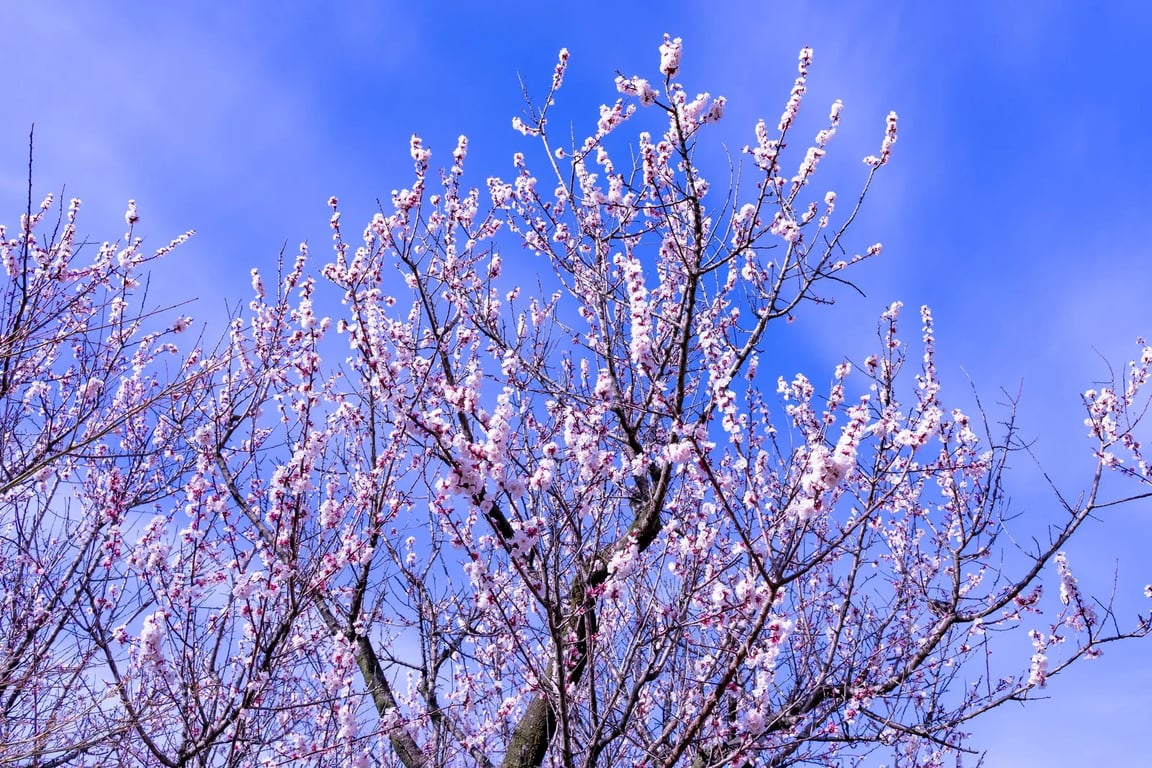
Plum blossoms, which bloom earlier than cherry blossoms while the weather is still cold, are a symbol of patience and hope for the Japanese. While cherry blossoms are vibrant and have a party-like atmosphere, plum blossoms are characterized by a moist, calm, and noble fragrance.
The deep connection between shrines and plum blossoms
In particular, there are many plum trees planted at Tenmangu Shrine, a shrine dedicated to the god of learning (Michizane Sugawara).
At Kitano Tenmangu Shrine in Kyoto and Yushima Tenjin Shrine in Tokyo, red and white plum blossoms bloom in February, filling the temple grounds with a sweet fragrance.
The sight of the small buds opening after surviving the harsh winter gives courage to those who see them.
Inhale deeply into the scent of plum blossoms while choosing your lucky charm in the quiet grounds. Just doing so will turn your winter in Japan into a special memory.
In February, there are many events that make shrines and temples look magically beautiful at night.
Setsubun Lanterns at Kasuga Taisha Shrine in Nara
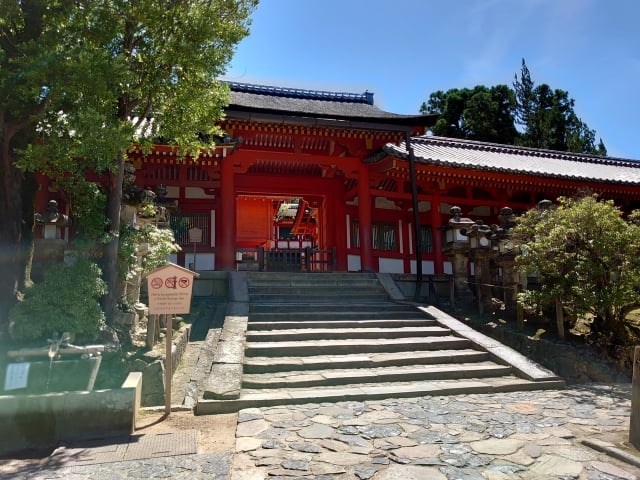
At Kasuga Taisha Shrine, a World Heritage Site in Nara Prefecture, approximately 3,000 lanterns are lit on the night of Setsubun. The orange flames flickering among the moss-covered stone lanterns create a mystical sight, as if you've traveled back in time.
The vermilion shrine building that stands out in the darkness and the lights that contain the wishes of the people. This tranquil beauty gives you a sense of the deep spirituality of Japan that you can never experience in the neon lights of the city.
Recommended shops in Nara Prefecture
To Slurp or Not to Slurp? Nara Branch
https://tenposstar.com/ja/merchant/65dd3d30ccdff

In addition to the attractions of technology and tourist destinations, there are also many moments during your trip in February when you will feel a connection with people.
The warmth of amazake
During this time, many shrines offer visitors amazake, a warm, sweet drink made from rice malt (it contains almost no alcohol) that warms the body from the inside out.
Local people gather around a large pot and offer you a bowl with a smile. Even if you don't speak the same language, their warmth will surely reach your heart.
Avoid crowds and communicate with God
During the cherry blossom season in April, the temple is packed with people wherever you go, but in February there are fewer tourists, so you can stroll around the temple grounds at your leisure.
The smell of old wooden buildings, the sound of footsteps on gravel, the sound of bamboo groves swaying in the wind... Taking time to reflect on yourself in a quiet environment is sure to be the most luxurious gift of modern, busy life.
Be careful about what you wear: February is still cold in Japan. You'll spend a lot of time outdoors, especially at shrines and temples, and your feet will get cold on wooden floors. Be sure to bring thick socks and warm shoes that are easy to put on and take off.

Collect goshuin (temple stamps): Goshuin are stamps that you can receive as proof of your visit. Many shrines have designs that are only available in February (illustrations of plum blossoms or demons), so they make a great record of your trip.
February in Japan is not just a cold season. It is a time to prepare for the joy of waiting for spring.
The plum blossoms that bloom despite the harsh cold, the spirited shouts to ward off evil spirits, and the gentle lights that light up the darkness - all of these represent the "respect for nature" and "prayer for rebirth" that the Japanese have cherished for thousands of years.
It's fine to quickly visit famous tourist spots, but if you're in Japan in February, try stopping to take a moment to breathe in the air at a shrine. There you'll find a warm, deep, and gentle Japan that can't be found in any guidebook.
May your journey be as wonderful as the spring light.
Check out the meaning behind "Itadakimasu" and "Gochisousama"
![[Chiba Prefecture] Introducing the history and characteristics of the local B-class gourmet food "Namero"](https://imagedelivery.net/0Xfr734EZhL-f9btSNh4FQ/uploads/article/01JWYSV96HDT16PXB1ZDK6BBBA.jpg/public)
![[Chiba Prefecture] Introducing the history and characteristics of the local B-class gourmet food, peanuts!](https://imagedelivery.net/0Xfr734EZhL-f9btSNh4FQ/uploads/article/01JWYSBVKPNGCMDKN3NQ1T5YBC.jpg/public)
![[Chiba Prefecture] A thorough explanation of the history and characteristics of the local B-class gourmet food "Mago Chazuke"!](https://imagedelivery.net/0Xfr734EZhL-f9btSNh4FQ/uploads/article/01JWYR8MSGX9RBKKJ17HQ5TZPM.jpg/public)