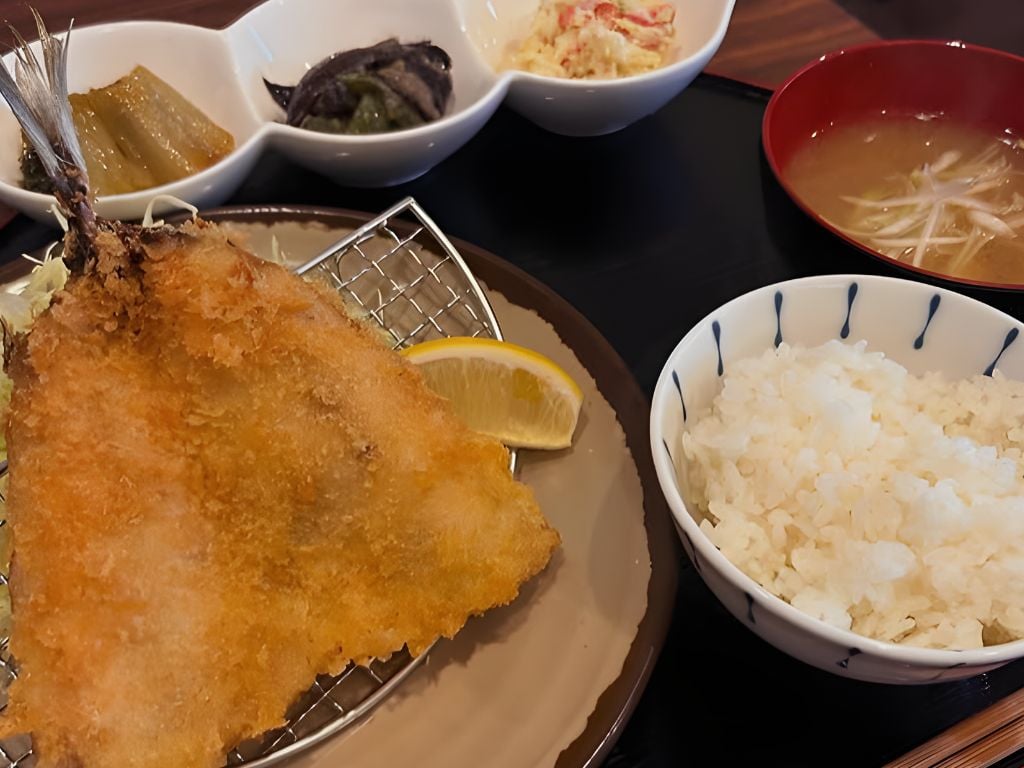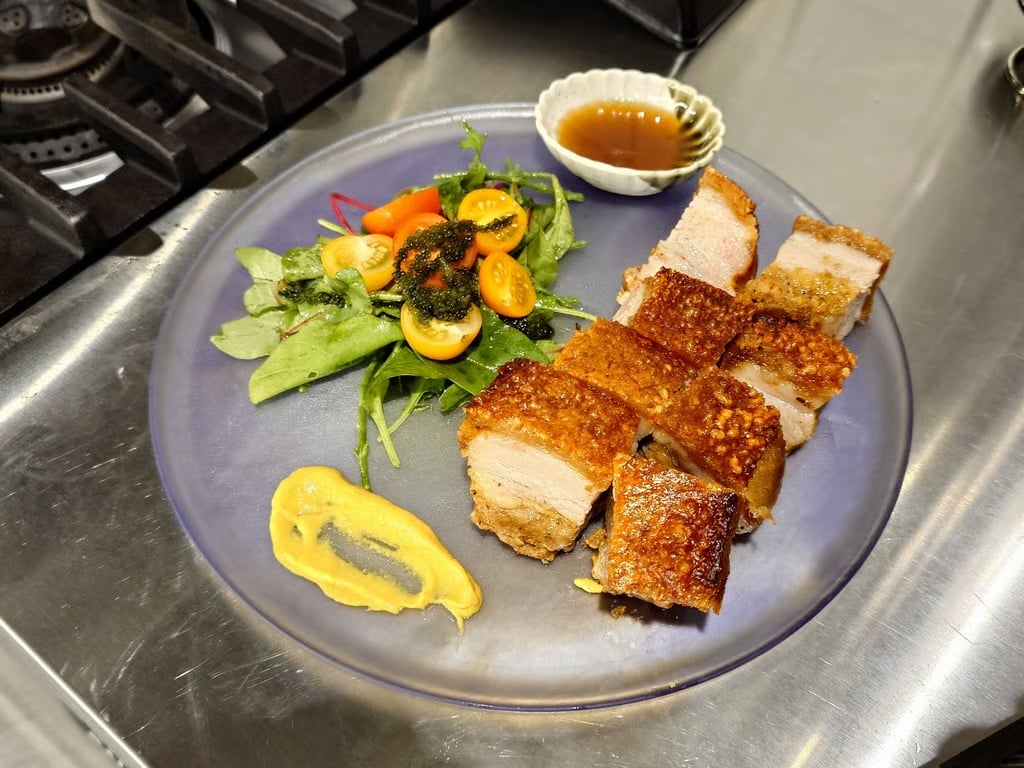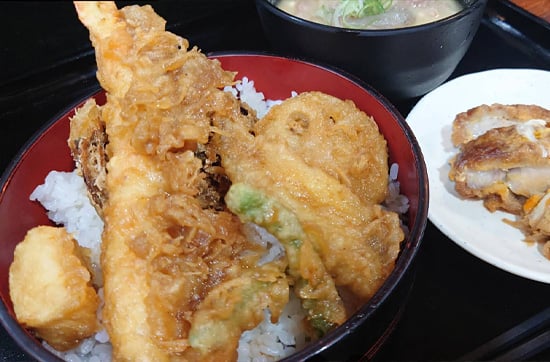



Winter in Japan is full of charms, including snowy landscapes, hot springs, and warming hot pot dishes, but there's one more special pleasure you should definitely experience: the refreshing sweet and sour aroma of Japanese citrus fruits.
In winter in Japan, unique citrus fruits such as yuzu, lemon, sudachi, and kabosu are in season. These citrus fruits are not just for eating, but also add depth to dishes and enrich our lives, making them indispensable to the Japanese.
In this article, we'll gently introduce you to the world of citrus fruits, which are deeply rooted in winter life in Japan, and explain their varieties, delicious ways to use them, and how they are connected to Japanese culture and the spirit of "omotenashi" (hospitality). Let's explore the secrets of the heartwarming aromas of winter in Japan together!
Japanese citrus fruits are attracting attention worldwide because of their rich aroma. For the Japanese, citrus fruits are not only a source of flavor, but also a way to sense the seasons through their aroma, making them an important element in completing a dish.
The Queen of Fragrances: Yuzu
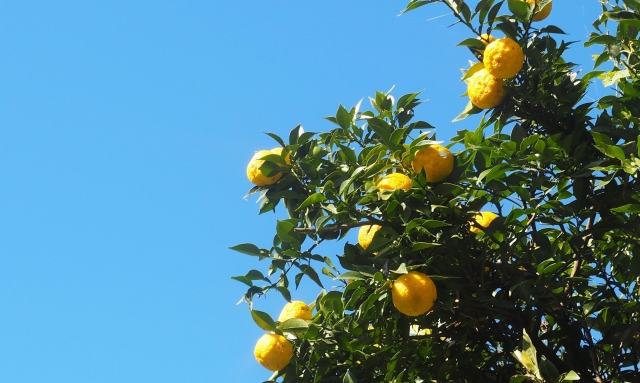
The most iconic Japanese citrus fruit is the yuzu.
Characteristics: The juice is quite sour and not suitable for drinking as is, but the aroma that emanates from the peel is exceptional. It has a unique, strong, yet somehow nostalgic, warm scent.
How to use: Thinly slice the skin and add a small amount to finish off Japanese dishes such as sashimi, simmered dishes, and soups. One sprinkle will instantly transform the entire dish into a refined and sophisticated flavor.
Cultural connection: On the day of the winter solstice, it is customary to take a bath with yuzu floating in it (yuzu bath). This is a heartwarming Japanese custom that is imbued with the wish to warm the body and avoid catching a cold.
2. Sudachi and Kabosu: the perfect supporting ingredients to enhance your dishes
Like yuzu, it is a small citrus fruit characterized by its rind's aroma and strong acidity.
Sudachi: Famous in Tokushima Prefecture. With a refreshing, fresh acidity, it is typically squeezed over grilled fish (such as saury or yellowtail) from autumn to winter. The small green berries also add a touch of color to dishes.
Kabosu: Oita Prefecture is famous for this fruit. It is slightly larger than a sudachi and has a mellow acidity and a unique sweet aroma. Adding it to ponzu sauce for hot pot dishes or squeezing a little into miso soup will enrich the flavor.
3. The evolution of "lemon" in Japan

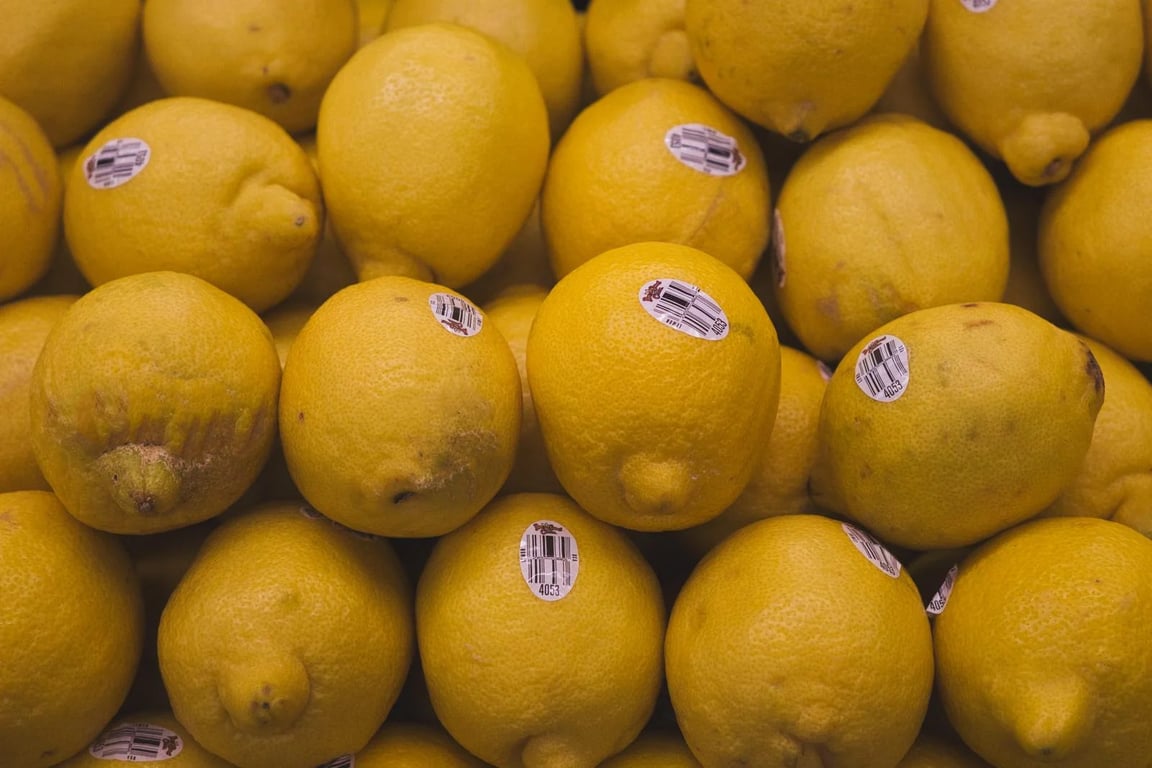
Lemons are grown all over the world, but the appeal of domestic lemons grown in warm regions of Japan (such as the Seto Inland Sea coast) is that you can safely use the peel as well. They are said to have a stronger aroma than imported lemons, and a mellow, tart taste.
Let's take a look at how these citrus fruits are used on the Japanese dining table. Citrus fruits are the magical ingredients that make winter staples even more delicious.
1. Hot Pot and Ponzu: The Classic Way to Use Citrus Fruits
Hot pot is an essential part of the Japanese winter diet, and ponzu sauce is an essential accompaniment to this dish.
What is ponzu? It is a flavorful sauce made by adding citrus juice (yuzu, sudachi, daidai, etc.) to soy sauce or dashi stock.
Pairings with hot pot: When you dip hot meat or seafood in this ponzu sauce, the refreshing acidity of the citrus spreads throughout your mouth, refreshing the rich flavor of the hot pot. The flavor of ponzu can be said to be a symbol of Japanese citrus culture.
2. Enjoy the aroma of "Yuzu Shichimi" and "Yuzu Kosho"
Enjoying aromas as seasonings is a food culture unique to Japan.
Yuzu shichimi: Made by adding dried yuzu peel to spices such as chili peppers and sansho pepper. Adding a little to udon, soba, miso soup, etc. will bring out the yuzu aroma and give it a refined spiciness and freshness.
Yuzu pepper: A seasoning originating from the Kyushu region, it is made by kneading together yuzu peel, chili peppers, and salt. It has a strong spiciness with a concentrated yuzu aroma, and is used as an accent in a variety of dishes, including hot pot dishes, yakitori, and sashimi.
3. Desserts and drinks: sweet and sour comfort
Yuzu tea: A warm drink made by boiling yuzu peel and juice with sugar and honey, then diluting it with hot water. The aroma of yuzu is said to soothe the soul and prevent colds when drunk on cold days.
Citrus wagashi: Traditional wagashi like nerikiri and yokan are also infused with the scent of yuzu and lemon. The refreshing acidity adds a delicate yet profound flavor to the sweetness.
Citrus fruits in Japan are not just a food source; they are deeply integrated into people's lives and culture. They are full of the charms of Japanese hospitality and harmony with nature.
Yuzu Bath: A Habit to Warm the Body and Mind

On the day of the winter solstice, "yuzu bath," in which a whole yuzu fruit is floated in the bath, is an important winter custom for Japanese people.
Soothing effects: The refreshing scent of yuzu has aromatherapy effects and is relaxing.
A wish for good health: Yuzu baths warm the body and improve blood circulation, so they are said to help people get through the winter without catching a cold. This is an ancient Japanese wisdom about using the blessings of nature to protect one's health.
2. The power of fragrance to purify the space
In Japan, it is believed that the scents of nature have a purifying power. Adding citrus peel to food is not just for flavor, but also to ward off evil spirits and bring about a state of purity.
In winter, traditional Japanese restaurants and inns casually decorate their rooms with yuzu branches and garnish dishes with yuzu. This is a modest expression of hospitality unique to Japan, expressing the desire to provide a pure and comfortable space for guests.
3. Harmony with ceramics
Let's also take a look at the tableware used in Japanese cuisine. The way green and yellow citrus fruits are garnished on delicate ceramics is almost like a work of art. Japanese food culture values "comprehensive beauty" not only in the food itself, but also in the tableware, presentation, and aroma. Citrus fruits play an important role in creating this harmony of beauty.
Travel tips to enjoy the charm of citrus fruits
If you are visiting Japan in the winter, be sure to pay attention to citrus fruits and experience the charm of Japan even more deeply.
Visit a market: Visit your local supermarket or a large market like Tsukiji Outer Market to see a wide variety of citrus fruits on display. Feel free to pick them up and smell them.
Try a specialty shop: There are shops around town that specialize in yuzu tea, yuzu-based sweets, and citrus liqueurs.

Experience it at a hot spring inn: At hot spring inns, citrus fruits are used subtly, such as comparing the flavor of ponzu sauce in a hot pot dinner or enjoying the flavor of yuzu in a dessert. If you stay at a ryokan around the winter solstice, you may be able to experience "yuzu bath."
Japanese citrus fruits provide us with warmth, comfort, and refreshing energy during the harsh winter cold.
A moment to warm your body and mind in a yuzu bath enveloped in the aroma of yuzu. The joy of enjoying a hot pot dish with loved ones with yuzu ponzu sauce. These are special winter gifts nurtured by Japan's "culture of living in harmony with nature and valuing harmony."
This winter, be sure to experience the warmth of Japan's sweet and sour scents and deeply experience its charm.
How to buy oden at convenience stores and a ranking of popular ingredients
https://tenposstar.com/ja/articles/r/3861
Beware the Nabebugyo? Table manners for enjoying hot pot with everyone
https://tenposstar.com/ja/articles/r/3875