

In the winter in Japan, when the city is decorated with illuminations and the atmosphere of the end of the year is hectic, one event begins: the year-end party. The word "year-end party" literally means "a party to forget the year," and it is a uniquely Japanese end-of-year drinking party culture that is held to let go of all the hardships and unpleasant things that happened in the past year and to welcome the new year in a good mood.
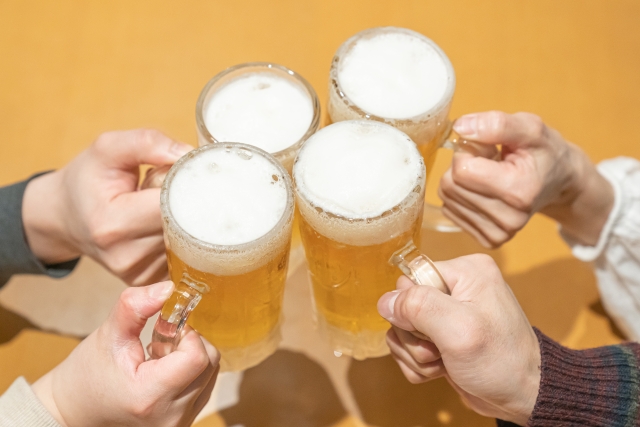
This end-of-year party is not just a party, but an important event to deepen bonds between various people, such as colleagues, friends, and business partners, and to express gratitude for the year's hard work. In Japan, the strict hierarchical relationships and etiquette that exist at work are temporarily relaxed, creating a special space where everyone can relax and interact.
For foreigners, Japan's drinking party culture can sometimes seem complicated and difficult to understand. However, it is precisely these end-of-year parties that encapsulate the essence of Japan's culture of valuing group consciousness, obligations, and harmony. In this article, we will use this end-of-year party custom to introduce the Japanese mindset and social structure behind it, as well as some tips for foreigners to enjoy end-of-year parties. Let's take a peek at Japan's hot end-of-year nights.
The origins of the end-of-year party are ancient, and it is said to have its roots in the "year-end banquets" held among aristocrats during the Heian period and the "year-end parties" that became popular among commoners during the Muromachi period. Modern end-of-year parties have two main purposes:
A place to thank others for their hard work and settle past debts
The main purpose of the party is to convey gratitude and appreciation to colleagues and associates who have worked together over the past year, saying "Thank you for your hard work." Cooperation in the workplace is extremely important in Japanese society. At the end of the year party, people are encouraged to acknowledge the efforts and achievements of the year and literally "forget" negative events such as failures and conflicts over alcohol. This act of "letting go" allows participants to free themselves from the ties of the past and to face the next year's work with a fresh mind and renewed spirit.
"Mureiko" temporarily frees hierarchical relationships
A phrase often used at year-end parties and drinking parties is "burei-ko," meaning "enjoying yourself in a casual manner without worrying about etiquette." In Japanese workplaces, where strict honorific language and hierarchical relationships are usually observed, burei-ko serves as a kind of "matsuri" (festival). Superiors and subordinates can speak frankly with each other and joke with each other in ways they wouldn't normally say, thereby narrowing the personal distance between them. This temporary release of rules is an important adhesive that strengthens the sense of unity within the team.
Year-end party venue: venue and flow
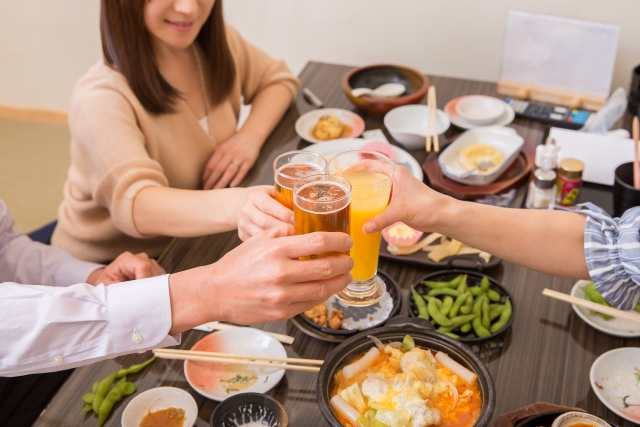
Year-end parties are generally held from early December through the end of the year. There are several distinctive cultural differences in the venue and how the party proceeds.
Banquet hall and seating rules
Year-end parties are held at izakayas, hotel banquet halls, or specific restaurants. Once inside the venue, there are rules for seating arrangements that are unique to Japan. The seats reserved for the most important guests or superiors are called "kamiza" (upper seats), while seats near the entrance and convenient for waiters are called "shimoza" (lower seats). Kamiza are usually the most comfortable seats, with their backs to a wall or to a tokonoma alcove. It is considered good etiquette for new and junior employees to sit in the lower seats and take care of the serving of food and drinks and the adjustment of seats so that superiors and guests can enjoy a comfortable stay.
Year-end party specific proceedings
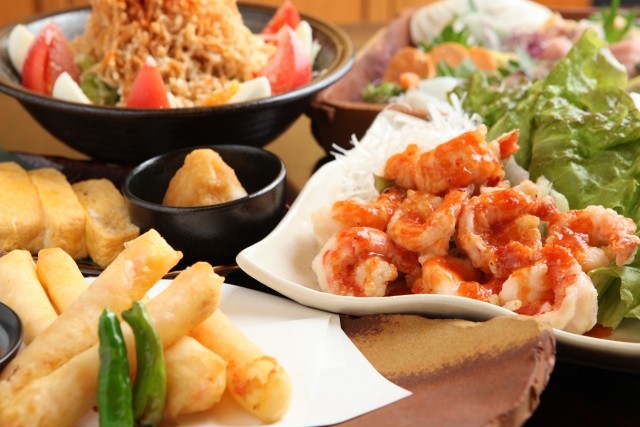
End of the year parties are not just about drinking, but also have clear opening and closing rituals.
Opening speech: At the start of the banquet, the second-highest ranking person among the attendees (such as the vice president or general manager) will give a speech thanking everyone for their hard work over the past year.
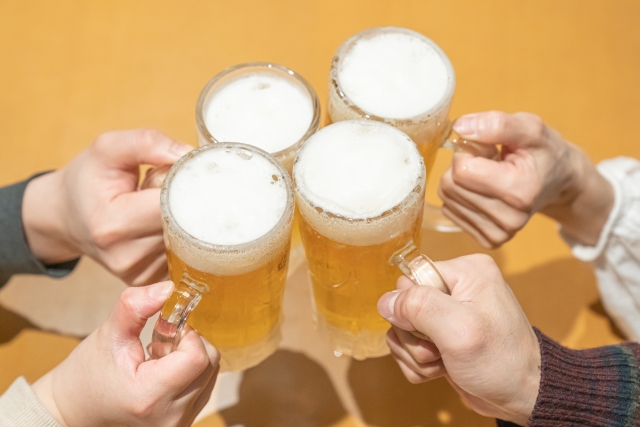
Toast: After that, the person with the highest status (such as the president) calls out "Cheers!" and everyone clinks their glasses together, officially starting the party.
The culture of pouring drinks: When a party begins, the act of pouring drinks into other people's glasses begins before your own is empty. This is not just a simple act of service, but an act of consideration and respect for the other person. In particular, when a subordinate pours into a superior's glass, or a woman pours for a man (this was common in the past, but is becoming less common in modern times), it provides an opportunity for communication.
Entertainment and games: Towards the middle of the event, entertainment such as songs, dances, and comedy sketches prepared by each department are performed to liven up the venue.
Nakajime and Ipponjime: As a party draws to a close, it is customary to call a halt with nakajime (such as clapping). This is a Japanese custom to prevent the party from dragging on and to allow participants to go home feeling refreshed.
What makes year-end parties interesting for foreigners is that the relationship between "honne" (true feelings) and "tatemae" (public opinion) in Japanese society is temporarily reversed.
The liberation that alcohol brings
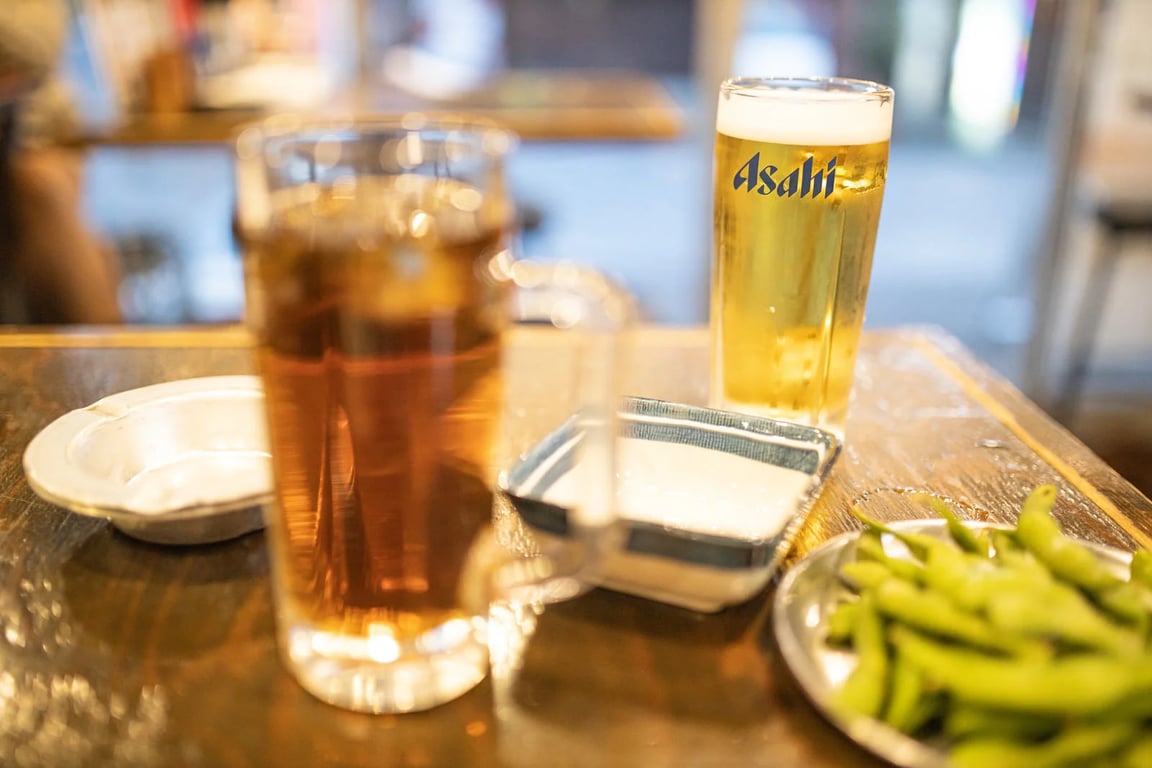
Japanese people value a culture of not showing emotions in public and valuing harmony in the workplace ("wa wo tetoshi to nasu" [harmony is the most precious thing]). As a result, people tend to hold back their opinions and be overly considerate of others at work, which can lead to significant stress. Year-end parties act as a kind of social permission to temporarily release these pretenses and inhibitions, with the help of alcohol. For participants, seeing a normally taciturn boss burst into a passionate speech or a serious colleague crack a cheerful joke is a refreshing experience and an opportunity to discover human charm.
"After-parties" and real interactions
After the first party (the formal banquet) has concluded, many participants split into smaller groups and head off to the "second party." Second parties are held in karaoke booths or bars, and are a more private and intimate venue for socializing than the first party.
If the first party is a "public ceremony," the second party is a place for "private communication." Here, people move away from work-related topics and talk about more personal matters such as family and hobbies. This second party is often the most important time for building trust between Japanese people (the expression "talking openly" is used).
Experiencing Japanese year-end party culture is extremely beneficial for gaining a deeper understanding of Japanese society.
• An active attitude of participation : Even if your Japanese is not perfect, it is important to show an attitude of "I want to participate too." Even if you cannot drink alcohol, you will be welcomed by simply toasting with a soft drink and showing your willingness to enjoy the occasion.
• Offer to pour a drink : If you see someone with an empty glass, try offering them a drink by asking, "Shall I pour you a drink?" This sends a positive message that you understand Japanese culture and are considerate of the other person.
• Enjoy conversations with your boss : Even bosses who are usually difficult to approach will be more relaxed at the end of the year party. This is a great opportunity to ask them personal questions about Japanese culture and work.
• Consideration for the next day : No matter how much fun you have at the end-of-year party, normal hierarchical relationships and etiquette will return to normal when you return to work the next day. In the Japanese business world, it is important to remember what happened last night as a funny story and to behave normally.
Deepening bonds and heading into the new year
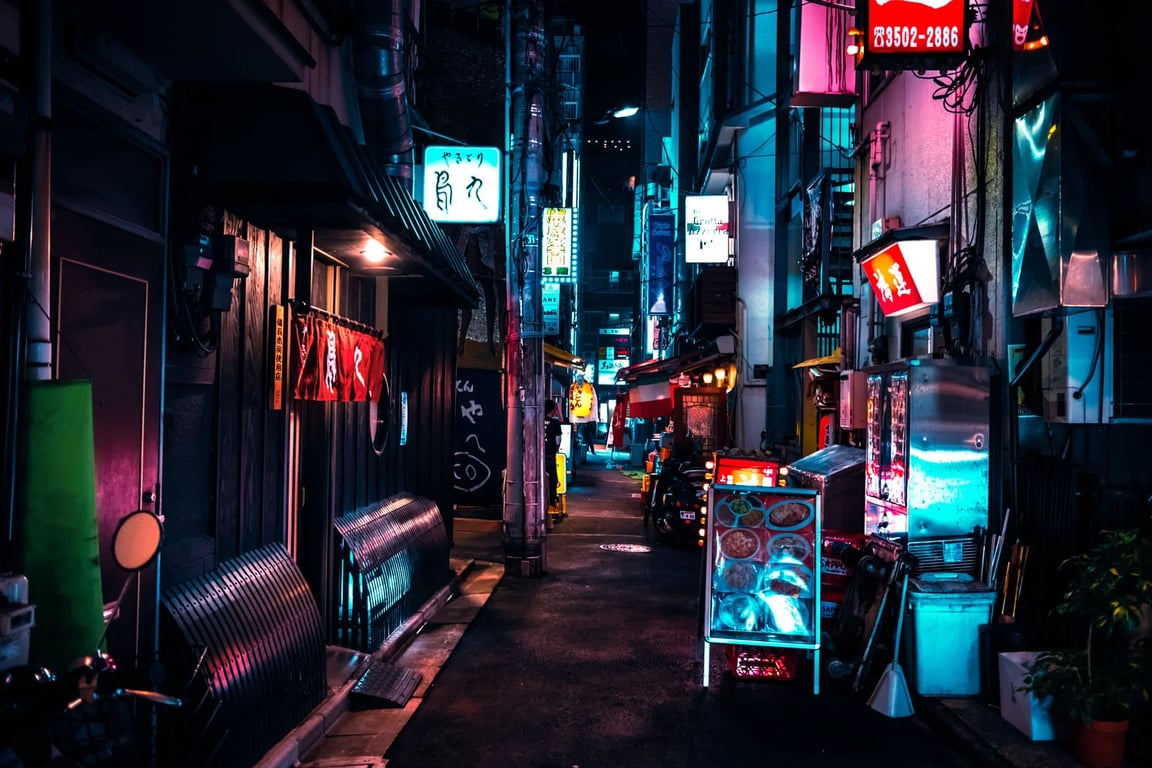
The end-of-year party is an energetic end-of-year event that combines traditional Japanese customs with modern corporate culture. It is a time to share the hard work of the past year and express gratitude, and is filled with the Japanese sense of obligation and humanity.
This warm banquet held in the bitter cold isn't just for getting drunk. It's an important opportunity to reaffirm the harmony between people that is the foundation of Japanese society, to build strong teamwork, and above all, to prepare mentally to forget the past and move towards a brighter future.
If you have the opportunity to stay in Japan this year-end, be sure to experience this special culture known as the "Bonenkai." Amid the hustle and bustle of the lively banquet, you'll surely discover the heartwarming charm of Japan and the beauty of deep human relationships.
So, let's raise our glasses and say "Cheers!" and have a wonderful New Year!