

When you think of winter in Japan, what comes to mind? Snowy landscapes, hot springs, and... kotatsu and mandarin oranges!
For all those visiting Japan and those interested in Japanese culture, we would like to introduce the special charm of mikan (mandarin oranges), the small, sun-like fruit that is an essential part of the Japanese winter diet.
Mandarins are not just a fruit. They are a part of the Japanese winter landscape, a symbol of family togetherness, and above all, a gift of sweetness that helps us forget the cold.
In this article, we'll tell you all about the appeal of mandarins, how to choose them deliciously, surprising ways to eat them, and the heartwarming culture surrounding mandarins in Japan. We hope you too will indulge in the sweetness of the queen of mandarins this winter.
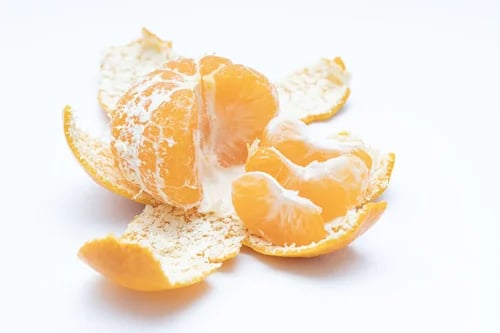
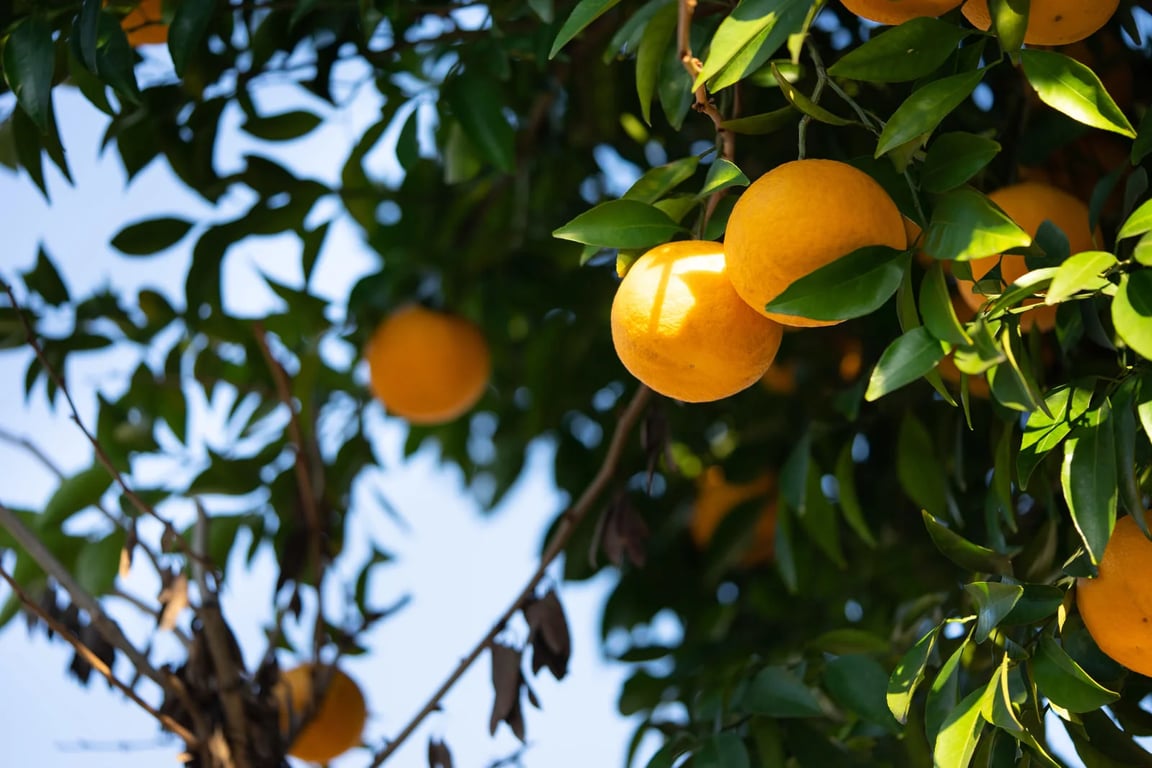
What we call "mandarins" is primarily a variety called "Unshu mikan." This variety is native to Asia, but is cultivated especially in the warm regions of Japan, where it has evolved in a unique way.
The greatest appeal of mandarin oranges is their rich sweetness and the perfect balance of acidity.
Mandarins harvested during the cold winter months store a lot of sugar to withstand the cold, making them extremely sweet. Another reason they are so popular is that they can be eaten immediately after peeling.
And mandarins are packed with nutrients! They're especially rich in vitamin C. Eating mandarins in the winter, when it's easy to catch a cold, is a natural "winter health habit" for Japanese people. The beautiful orange color comes from a compound called cryptoxanthin, which is also said to have beneficial effects on the body.
When is it in season?
The harvest season for mandarin oranges varies depending on the variety, but Unshu mandarins, which we generally enjoy as "winter mandarins," are in season from around November to February. In particular, from the end of the year through to New Year's, mountains of mandarin oranges are an indispensable sight at gatherings with family and friends.
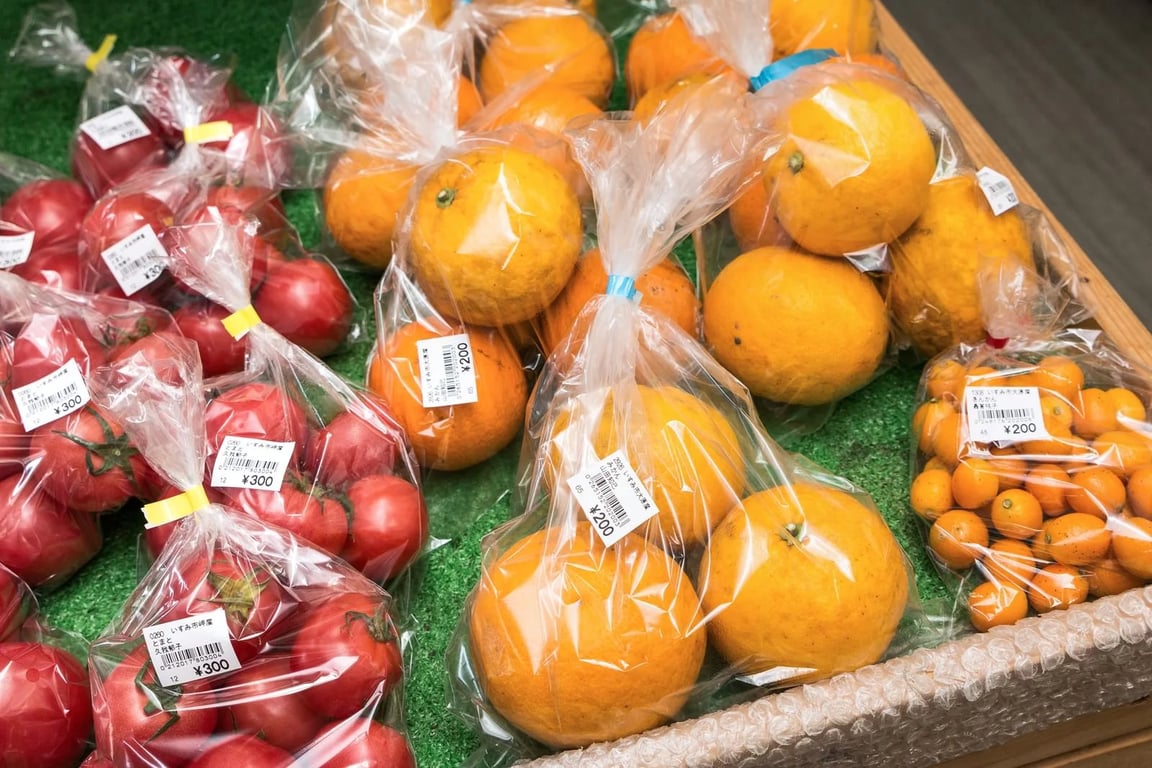

If you're going to eat mandarins, you want to choose the best ones, right? Here are some tips from a Japanese professional on how to tell the difference between delicious mandarins.
Color and firmness (gloss): Choose a deep orange color that is shiny and firm all over. Bright, even color indicates full ripeness.
Stem color: The green part at the top of the mandarin orange is called the "stem." If the stem is green and fresh, it is likely freshly picked and delicious. If the stem is dry and brown, it may not be as fresh.
Shape and weight: A good mandarin orange is one that is flat and feels heavy in the hand. The heavier it is, the more juice it contains.
Skin texture: The finer the texture of the surface of the skin (the granular part) and the less bumpy it feels when you touch it, the more dense and sweet the fruit tends to be.
Using these points as a guide, try searching for your own favorite mandarin orange at the supermarket or store.
It's best to eat mandarin oranges as they are, but with a little ingenuity you can make them even more delicious and enjoyable to eat.
① Basic way to eat: What to do with the thin skin (bag)?
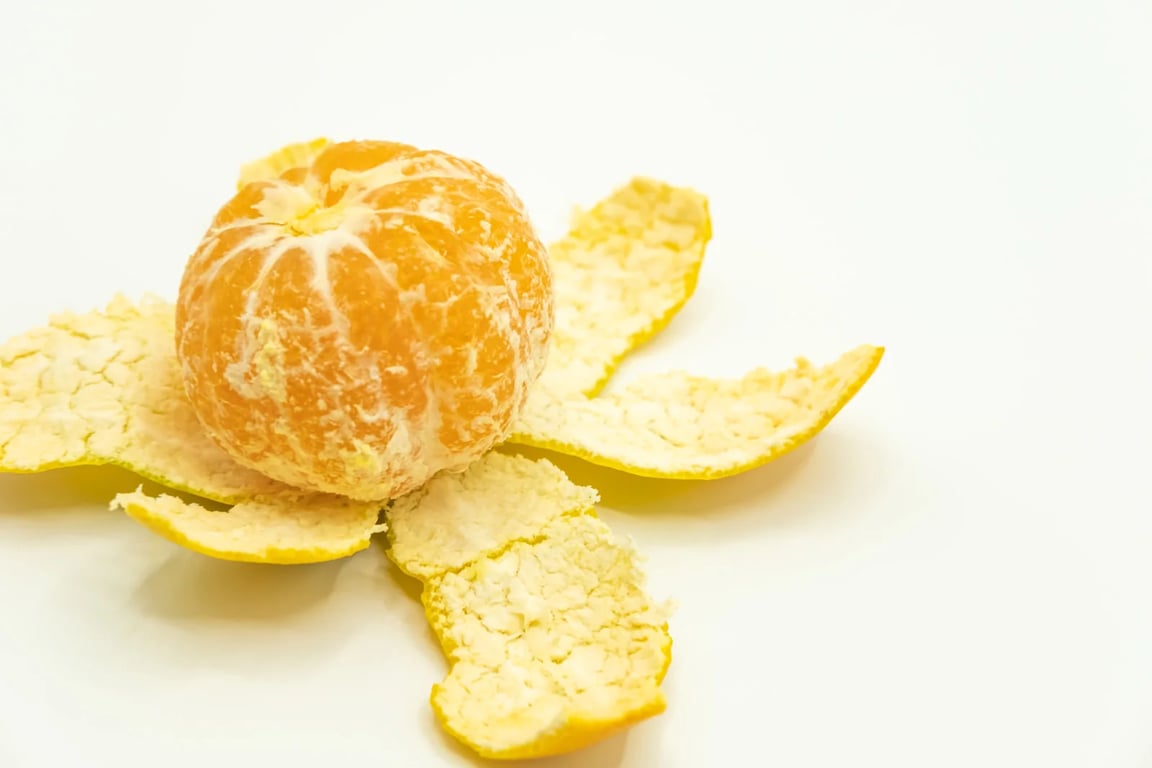
In Japan, mandarins are peeled and eaten together with the whole "tassel" inside. The thin skin (inner sac) that encases the tassel is also safe to eat. This thin skin is rich in dietary fiber, so we recommend eating it whole for health reasons.
However, for those who prioritize texture, there is an easy way to remove the skin. Cut the mandarin orange in half and soak it briefly in hot water. This will make it easier to peel off the skin. Give it a try.
② Surprisingly delicious! "Baked Mandarin Oranges"
On a slightly chilly night, we recommend trying grilled mandarin oranges.
Without peeling the mandarins, wrap them in aluminum foil.
Bake in a toaster or fish grill until browned (about 10 to 15 minutes).
They're done when the skin turns pitch black and a sweet aroma emanates from the inside. Baking removes the sourness of the mandarins and concentrates the sweetness. The hot, creamy texture is like a warm dessert. This is a traditional Japanese way of eating them, and they're also said to be good for preventing colds.
3. The wonderful relationship between mandarin oranges and cooking: recipe variations
Tangerines are not only eaten as they are, but are also used in a variety of dishes and desserts.
Mandarin jelly/pudding: Made with fresh mandarin juice, this is a healthy dessert.
Mandarin jam: If you boil the mandarin oranges with the peels on, you'll get a fragrant jam that goes perfectly with bread and yogurt.
Salad topping: Adding mandarin orange slices to a leafy green salad adds a refreshing acidic accent.
Mandarin liqueur: By steeping mandarins in shochu or white liquor, you can make a delicious homemade fruit liqueur.
The reason why mandarins are loved by the Japanese people is not just because of their delicious taste, but also because they are deeply connected to winter life in Japan.
Kotatsu and mandarin oranges: a perfect combination
When foreigners watch Japanese anime or dramas, they may be captivated by the strange piece of furniture called a "kotatsu" and the sight of mandarin oranges piled up on top of it.
A kotatsu is a traditional Japanese heating device that combines an electrically heated table and a futon. On cold winter days, families and friends gather around the kotatsu, put their feet up, drink hot tea, chat, and eat mandarin oranges.
This scene of "oranges under a kotatsu" is one of the warmest images, symbolizing the peace and togetherness of a Japanese home.
Sharing mandarins is like sharing love and compassion.
Enjoy the unique characteristics of each production area
Japan has many famous mandarin orange producing areas, including Wakayama Prefecture, Ehime Prefecture, Shizuoka Prefecture, etc. Because the climate and soil differ depending on the producing area, the "characteristics" of the mandarin oranges, such as sweetness, sourness, and thinness of the skin, vary.
Trying out different varieties of mikan from different regions at supermarkets, roadside stations, etc. is a great way to enjoy Japanese food culture. Your journey to find your own "best mikan" will surely be a fun experience.
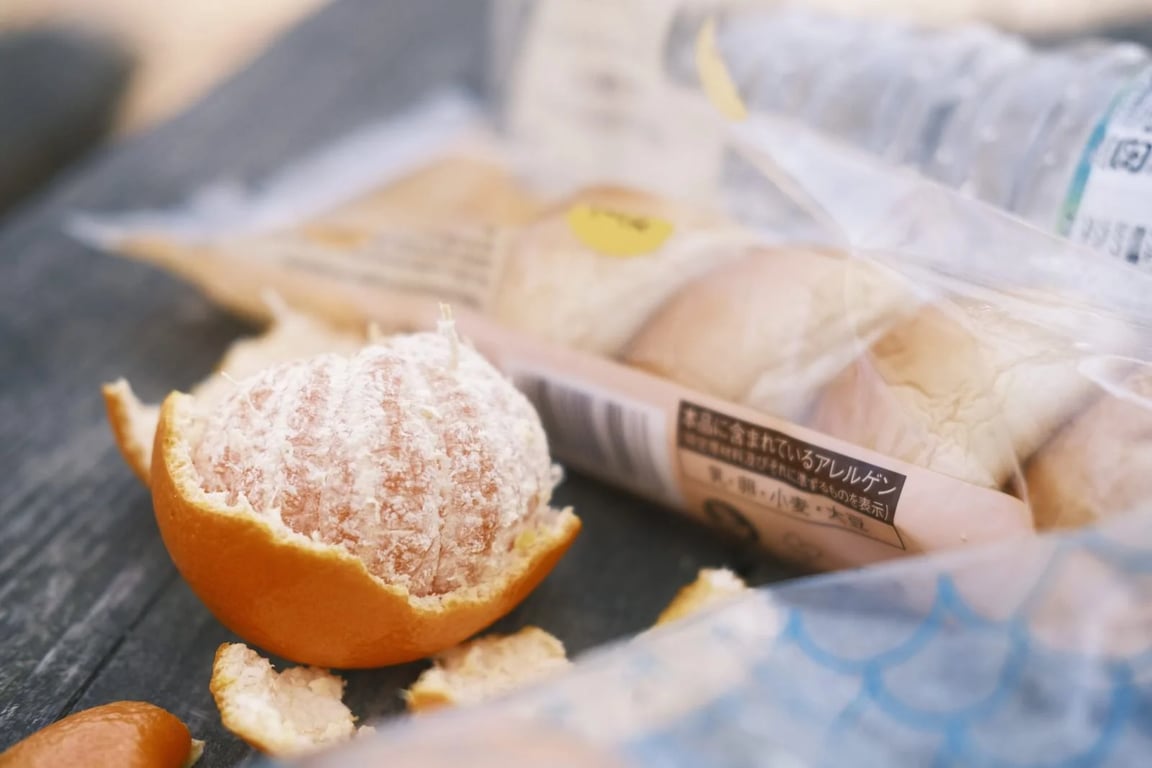
Mandarins may be small and inconspicuous, but each one is packed with sunlight, the efforts of farmers, and the warmth of life in Japan's winters. When you peel one, a refreshing aroma fills the room. When you put it in your mouth, a rich sweetness spreads throughout your mouth.
Whether you're staying in Japan this winter or planning to visit, be sure to try the "queen of seasonal fruits," mandarin oranges.
Even if you don't have a kotatsu, it's okay. Just sitting in a warm room and eating one delicious mandarin orange will surely bring you the warmth and sweetness of a Japanese winter.
If you try mandarin oranges and discover a special flavor or an interesting way to eat them, be sure to tell your friends in Japan about them. We hope that this sweet experience of Japanese winter will become a wonderful memory of your trip!
Beware the Nabebugyo? Check out the table manners for enjoying hot pot with everyone
https://tenposstar.com/ja/articles/r/3875
Why do we eat pumpkins on the winter solstice? Check out Japanese customs and health tips
![[Shizuoka Prefecture] Introducing the history and characteristics of the local B-class gourmet food "Sakura shrimp"](https://imagedelivery.net/0Xfr734EZhL-f9btSNh4FQ/uploads/article/01JWYSBVTXXP09KMCWVEGYZ1E5.jpg/public)