

If you visit a convenience store or the basement floor of a department store during the Christmas season in Japan, you might be surprised by a certain sight.
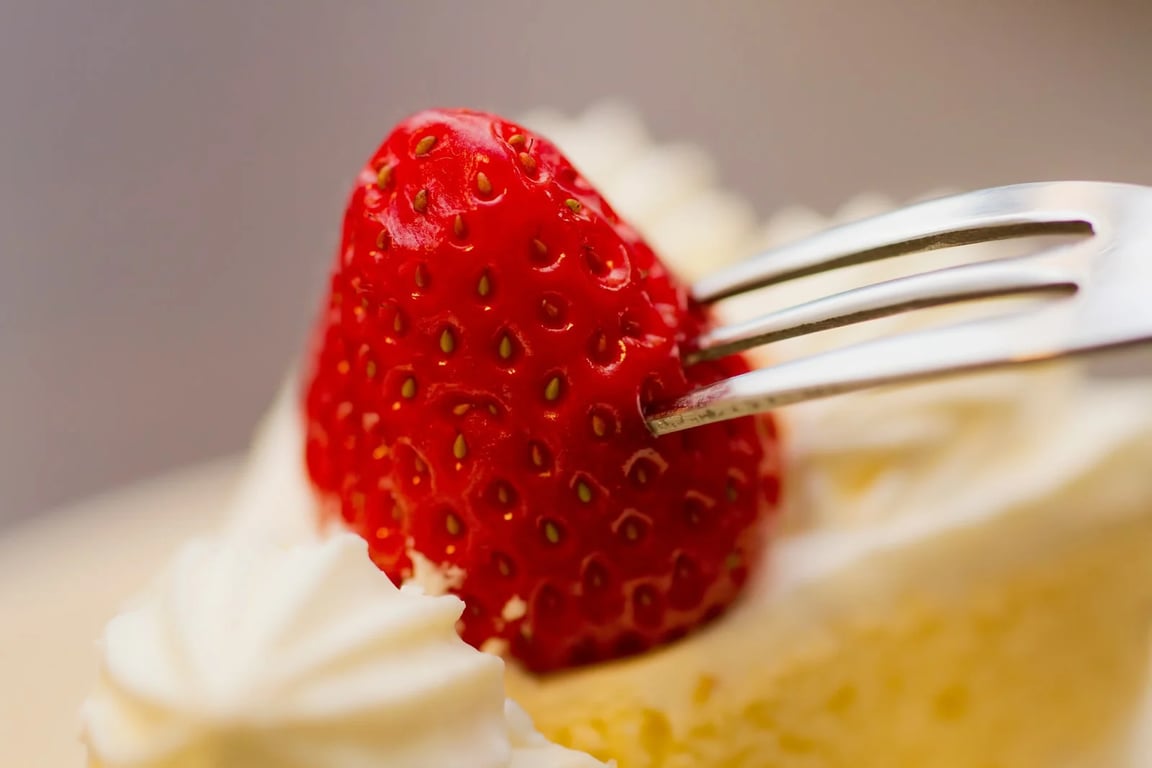
It is a sight of tens of thousands of simple yet beautiful cakes lined up, decorated with bright red strawberries and pure white cream. These cakes are an essential icon of Christmas in Japan: strawberry shortcake.
In Western countries, traditional cakes such as fruit cake, stollen, and bûche de Noël are common at Christmas, but in Japan, this "white cake" takes the overwhelming lead. Why on earth has strawberry shortcake become a Christmas staple in Japan? In this article, we will delve deeper into the charms of Japan, exploring the Japanese culture, history, and aesthetic sense of "kawaii" hidden behind this "white cake."
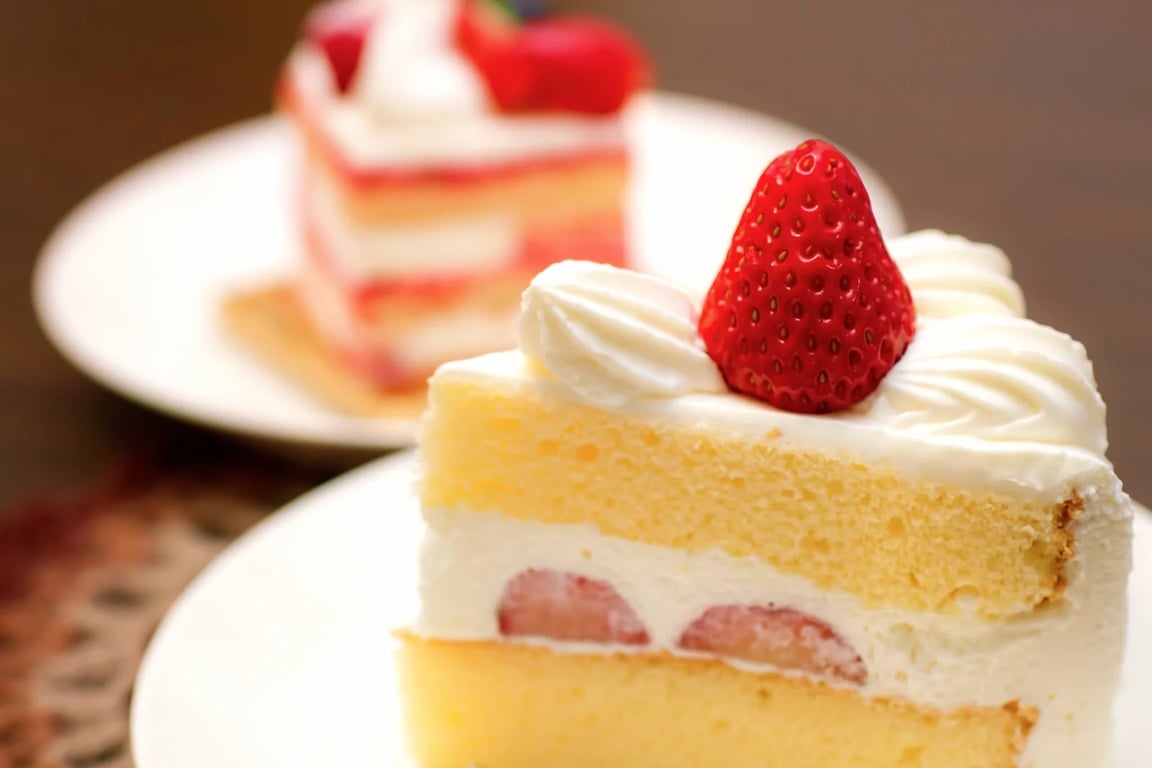
First, it's important to understand the definition of "shortcake" in Japan. In fact, what is called "shortcake" in Japan is completely different from the Western "shortcake." • Western shortcake: A biscuit- or scone-like bread dough sandwiched between strawberries and whipped cream. The dough is crispy and has a strong buttery flavor. • Japanese shortcake: A cake made with multiple layers of fluffy sponge cake (genoise), light whipped cream with a high milk fat content, and sliced strawberries. Japanese shortcake is said to have originated in the 1910s when Fujii Rinemon, founder of Fujiya, was inspired by a strawberry shortcake he saw while staying in the United States and adapted it using unique Japanese ingredients and techniques.
The secret behind the deliciousness of Japanese shortcake
Japanese pastry chefs put their utmost skill into this simple cake.
Excellence in sponge (genoise): Japanese sponge cakes are incredibly fine-grained, light, and fluffy, with a texture that melts in your mouth.
The delicacy of fresh cream: It is characterized by a rich milk flavor, a moderate sweetness, and light, not-too-heavy whipped cream. This has evolved to suit Japan's delicate palate and a culture that dislikes the "heavy butter" of Western sweets. This "light, fluffy, and elegantly sweet" cake has become the foundation for it to become established as a "special occasion" cake that everyone, regardless of age or gender, wants to eat on special occasions.
The reason why Japanese shortcake became a symbol of Christmas is closely related to Japan's post-war reconstruction and cultural changes.
The idea of "Christmas = cake" becomes established
After the war, as the economy developed and became more prosperous, Western confectionery shops and confectionery manufacturers saw this as a great opportunity to popularize the Western culture of Christmas in Japan. From the 1950s to the 1970s, television and advertisements actively promoted the image of "family gathering around cake on Christmas." In Japan at the time, shortcake was a symbol of "high-fashioned" and "luxurious" Western culture, and embodied a desire for wealth.
The meaning of the colors "red and white"
Strawberry shortcake has a very clear contrast between white and red. • White (fresh cream): Symbolizes the falling snow and the purity and chastity of Christ. • Red (strawberries): Symbolizes the blood of Christ, as well as life and love. These colors are not only associated with the traditional image of Christmas in the West, but are also highly auspicious in Japanese culture. Since ancient times, the combination of red and white has been used in Japan to mark joy and celebrations (e.g., red and white manju, the Red and White Song Battle). The red and white colors of shortcake, while celebrating Western Christmas, were unconsciously associated with the most familiar "celebratory colors" for Japanese people, and it was accepted as the perfect food for the special occasion of Christmas.
A cake with "children's dreams" on it
The era when shortcake became popular coincided with the rise of nuclear families and the formation of a child-centered home culture. Shortcake's vibrant and cute appearance and gentle taste that everyone found delicious made it a dream come true for children, especially on the special night of Christmas. The experience of eating this special cake after a visit from Santa Claus and a sumptuous dinner was deeply etched in the minds of children, and this custom has been passed down through generations.
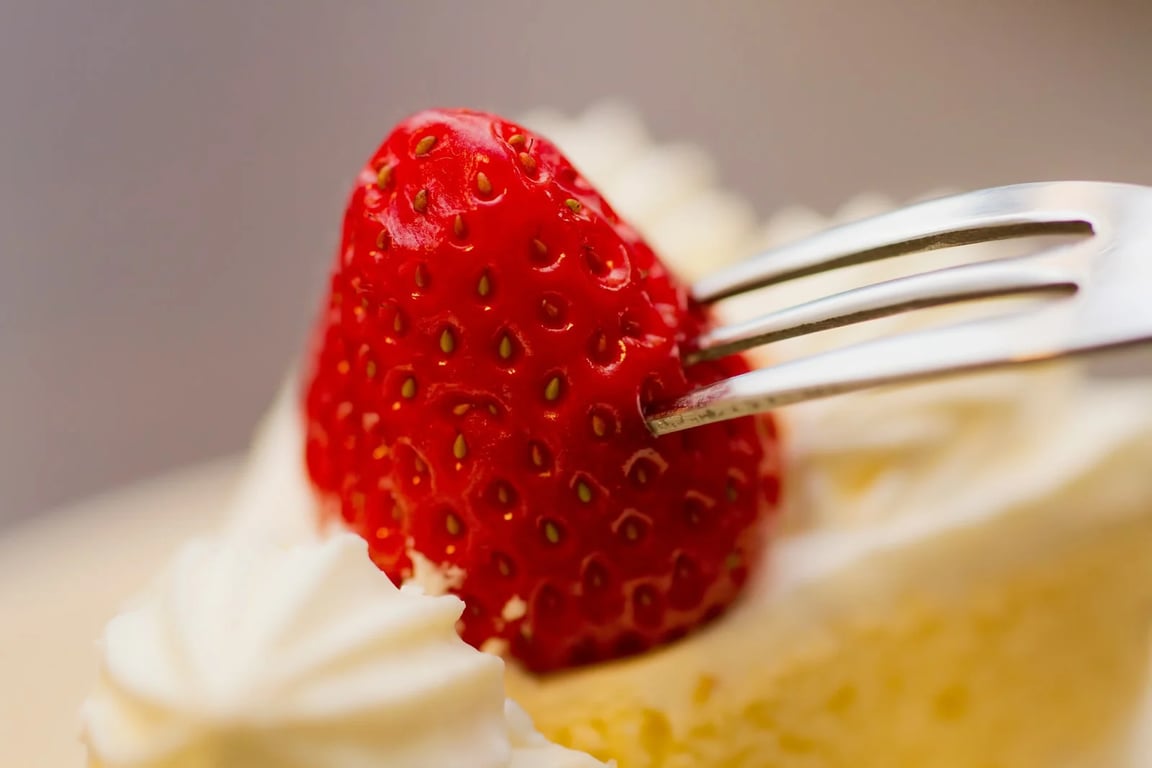
Why has this simple and beautiful shortcake continued to be chosen over traditional Christmas cakes? The answer has to do with Japanese aesthetics.
The aesthetics of "simple is best"
Japanese design and culture place great importance on the "aesthetics of subtraction." Rather than complex decoration, they place importance on the beauty of the ingredients themselves and the beauty of the spaces (spaces). Shortcake is made up of just three elements: fluffy sponge, melt-in-your-mouth cream, and fresh strawberries. It is precisely because of this simple composition that the quality of the ingredients stands out, and it can be said to embody the "refined beauty" that Japanese people prefer.
Commitment to "seasonal": Winter strawberries
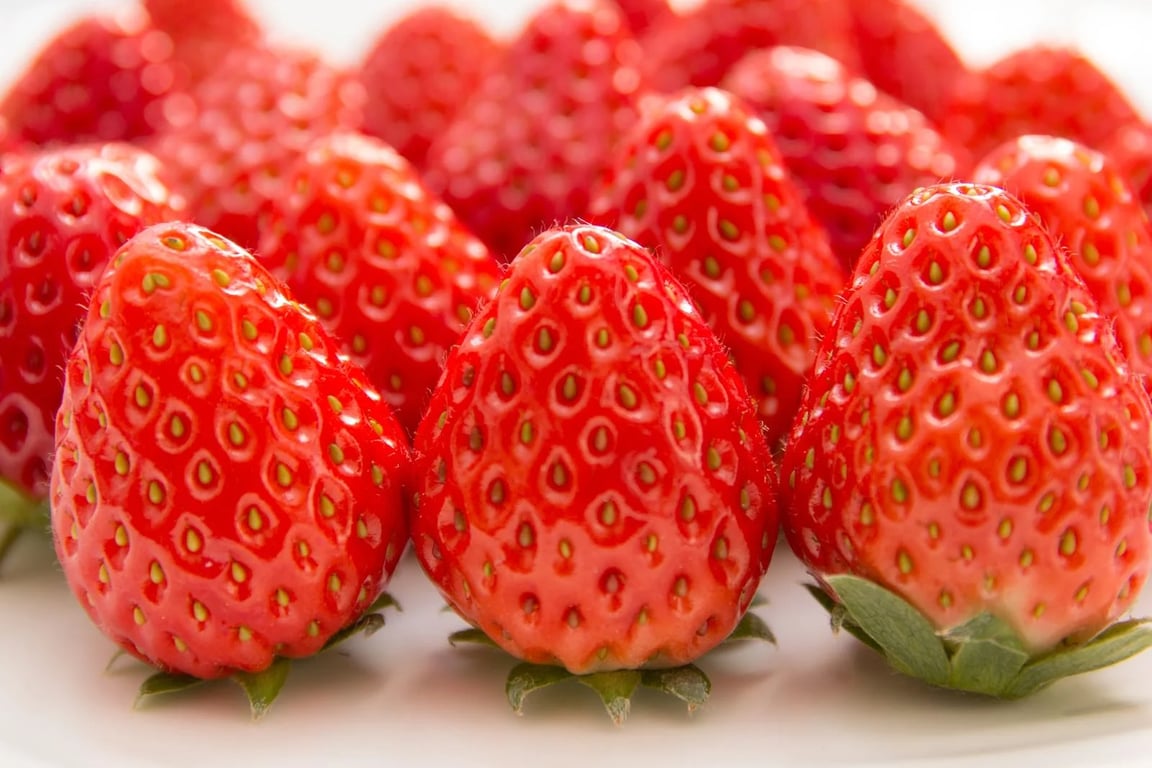
Strawberries, the main ingredient of shortcake, are originally in season in the spring, but thanks to Japan's advances in greenhouse cultivation techniques, the sweetest, tastiest strawberries are now shipped during the coldest months of winter. This commitment to "enjoying the main ingredient in perfect condition at the best time" is a fundamental concept in Japanese food culture. The sweet and tart, glossy strawberries eaten at Christmas are not just a fruit, but a symbol of Japan's advanced agricultural techniques and a culture that cherishes seasonal flavors.
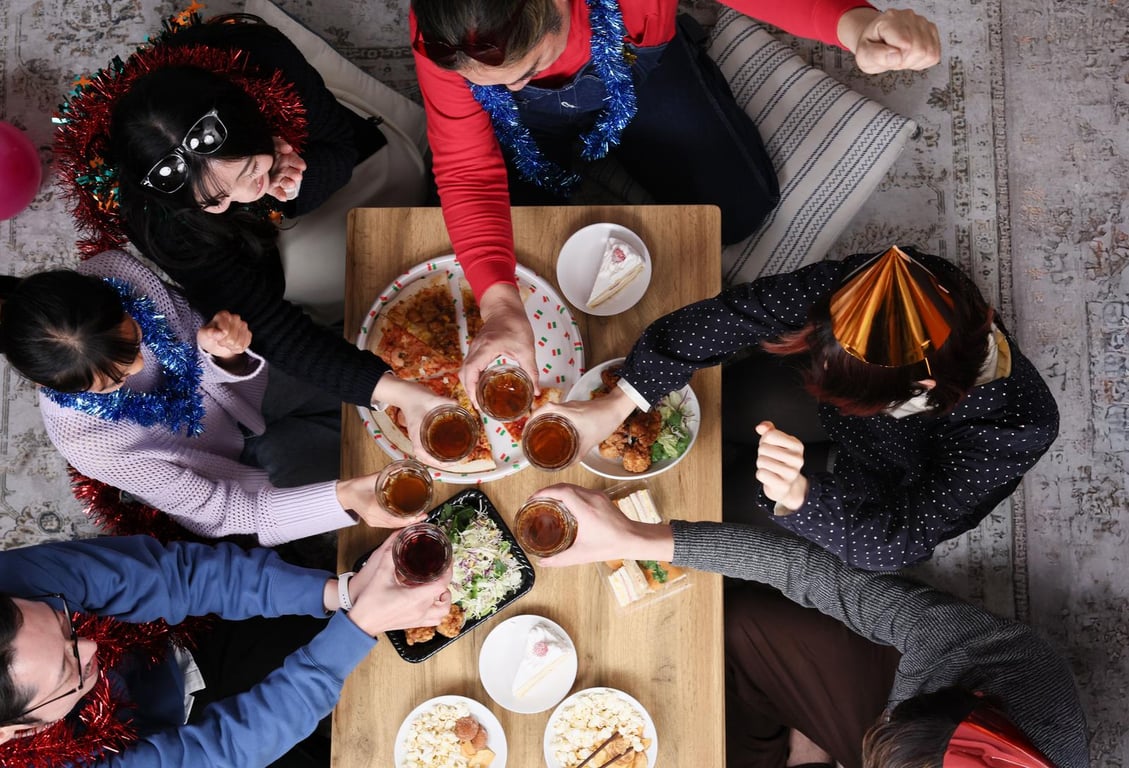
Japanese Christmas culture is characterized by its weak religious significance and its strong character as a "festival for family and lovers."
• Family Day: The whole family gathers together for a sumptuous meal, eats cake and exchanges gifts.
• Lover's Day: Enjoy the romantic night view and illuminations, and have dinner at a fine restaurant.
Shortcake fits beautifully into both situations. In particular, the act of everyone gathering around a whole cake and cutting it into pieces symbolizes "sharing" and "community," visually portraying the "happy togetherness" that Japanese people seek at Christmas.
Strawberry shortcake, Japan's Christmas cake, is more than just a sweet dessert. It's a symbol of happiness, encapsulating Japan's history of postwar economic growth through its adoption of Western culture, as well as its unique cultural and aesthetic values, such as its "red and white celebration" and "the aesthetic of minimalism." The fluffy sponge, light cream, and sweet and tart strawberries create a simple yet perfect harmony. Understanding the secrets of this "white cake" holds the key to understanding the depth of Japanese food culture and the "cuteness" and "delicacy" that Japanese people value. If you have the opportunity to visit Japan this winter, be sure to try this special "white cake." The warmth and cultural charm of Japanese Christmas are sure to be conveyed with just one bite.
Also check out "Mulled Wine and Illuminations: A Food Tour of Japanese Christmas Markets" ▼
https://tenposstar.com/articles/r/3873
"How to ride the Shinkansen: Tips for a comfortable journey for beginners and veterans" Also check this out ▼