


Introduction
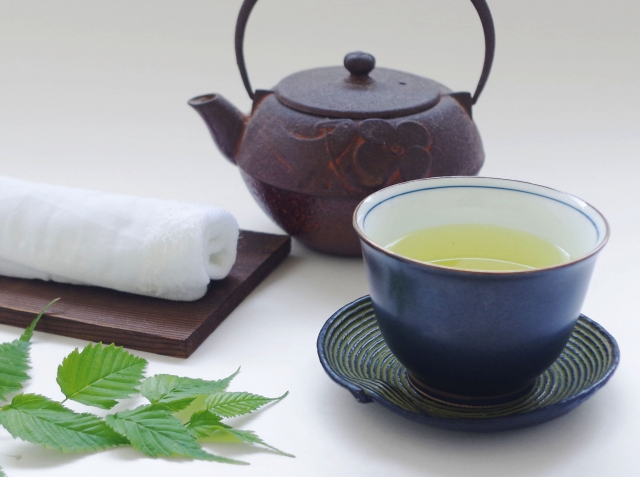
When you visit Japan, have you ever been surprised by the small, hot or cold towel you are given when you first arrive at a restaurant or inn? This is called an "oshibori." In fact, it's not just for wiping your hands. It's a small symbol of Japan, packed with the deep Japanese spirit of "omotenashi," a culture that values cleanliness, and an appreciation for the seasons. In this article, we'll take a look at the role of oshibori, their wonderful connection to Japanese culture, and four restaurants where you can experience that spirit.
This piece of paper, which is commonly used by Japanese people, has three main warming roles.
1. Hygiene
In Japan, it is very important to clean your hands before starting a meal. The warm oshibori is the first message from the restaurant, to gently soothe your travel fatigue while also cleaning your hands so you can begin your meal with peace of mind.
2. Refreshments to soothe the body and mind
Oshibori have a soothing effect on us with their temperature. In the hot summer, a cold oshibori can be used to wipe away sweat and feel refreshed. In the cold winter, a warm oshibori can warm numb hands and bring relief and comfort. This "consideration for the seasons" can be said to be a typical example of Japanese "omotenashi" hospitality.
3. Express your "Welcome" feelings
Even without words, an oshibori conveys that the store sincerely welcomes you. The oshibori handed to you the moment you enter a store conveys the warm sentiment, "Welcome. Please make yourself comfortable." This small gesture of consideration makes us feel comfortable.
There are a few basic etiquette points to keep in mind when using oshibori.
Wiping your hands is the key

Oshibori are for wiping your hands before eating. Please be careful not to wipe your face or neck with them, as this is considered bad manners.
Checking cleanliness
If there's anything about the oshibori that bothers you, don't force yourself to use it, but instead let the staff know. Generally, you'll always be given a clean one, so don't worry.
Thoughtfulness after use
Once you've finished using it, it is good Japanese etiquette to carefully fold it back to its original shape and place it on the tray. Try folding it neatly as a token of your gratitude.
We'll introduce you to four wonderful restaurants where you can experience warm hospitality, starting with a wet towel.
・Sushi Kimura
<Recommended Menu> Assorted Sashimi
https://tenposstar.com/ja/merchant/64c8d4ad755d4

・Private room izakaya Toritei Tenjin store
<Recommended Menu> Grilled Hakata Chicken Skewers https://tenposstar.com/ja/merchant/64cb5b0496835

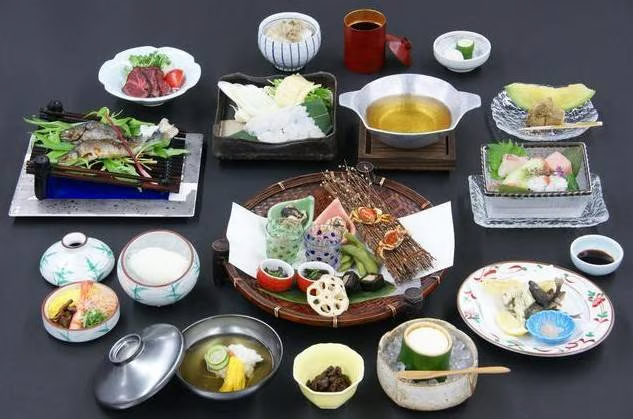
・Ugenta
<Recommended menu> Kawadoko cuisine
https://tenposstar.com/ja/merchant/66ed398533bdf
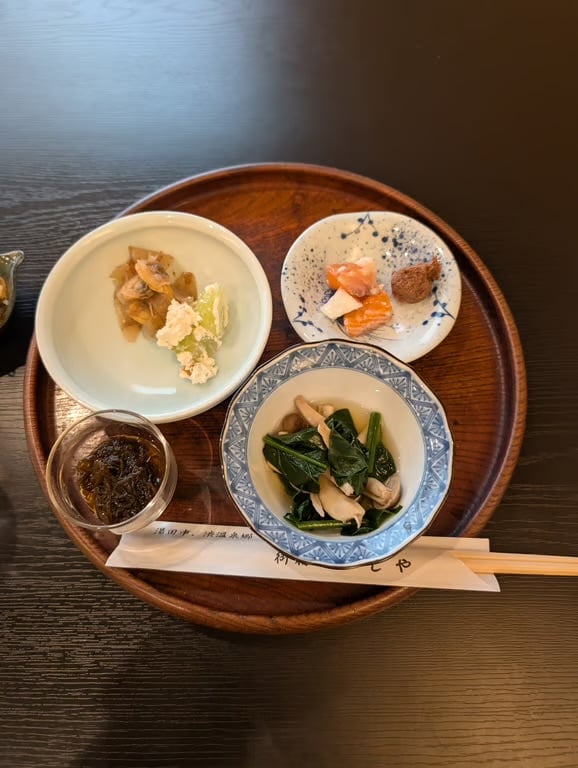
・Fujiya Ryokan Japanese Cuisine Yuzen
<Recommended Menu> Seasonal small dish https://tenposstar.com/ja/merchant/68463962f5c04
Oshibori are deeply connected to Japanese culture.
The spirit of "Wa Kei Sei Jaku"
In the tea ceremony, there is a phrase called "Wakeiseijaku," which means peaceful, respectful, pure, and quiet. The act of handing over an oshibori is also a way of showing respect to guests and welcoming them with a pure heart, a concept that lies at the root of Japanese hospitality.
A culture that values the seasons
Just as we feel the seasons through hot and cold oshibori towels, Japanese people have long valued a sense of the seasons. By incorporating the colors of the seasons into our daily lives, we have cultivated a richer heart. Oshibori can be said to be part of this beautiful culture.
5. The Future of Oshibori: The Evolution of Hospitality
Oshibori have been evolving rapidly recently. They are no longer just towels; more and more are being made with relaxing aromas and eco-friendly materials.
This has enabled oshibori to create even more diverse forms of hospitality. For example, oshibori with special fragrances can provide a special, soothing experience.
The oshibori handed out at Japanese restaurants and inns are not just small towels. They are packed with the warm Japanese spirit, especially the spirit of "omotenashi."
Cleanliness, a sense of the season, and respect for you - all these important feelings are embodied in just one oshibori.
The next time you visit Japan, be sure to take a look at this small oshibori. You might just discover something wonderful that touches on the warmth of Japanese spirit.