![[Yamaguchi Prefecture] Introducing the characteristics and history of the local B-class gourmet food "Fugu sashimi"](https://imagedelivery.net/0Xfr734EZhL-f9btSNh4FQ/uploads/article/01JWYR74QPQN0H7X41YEMWHH54.jpg/public)
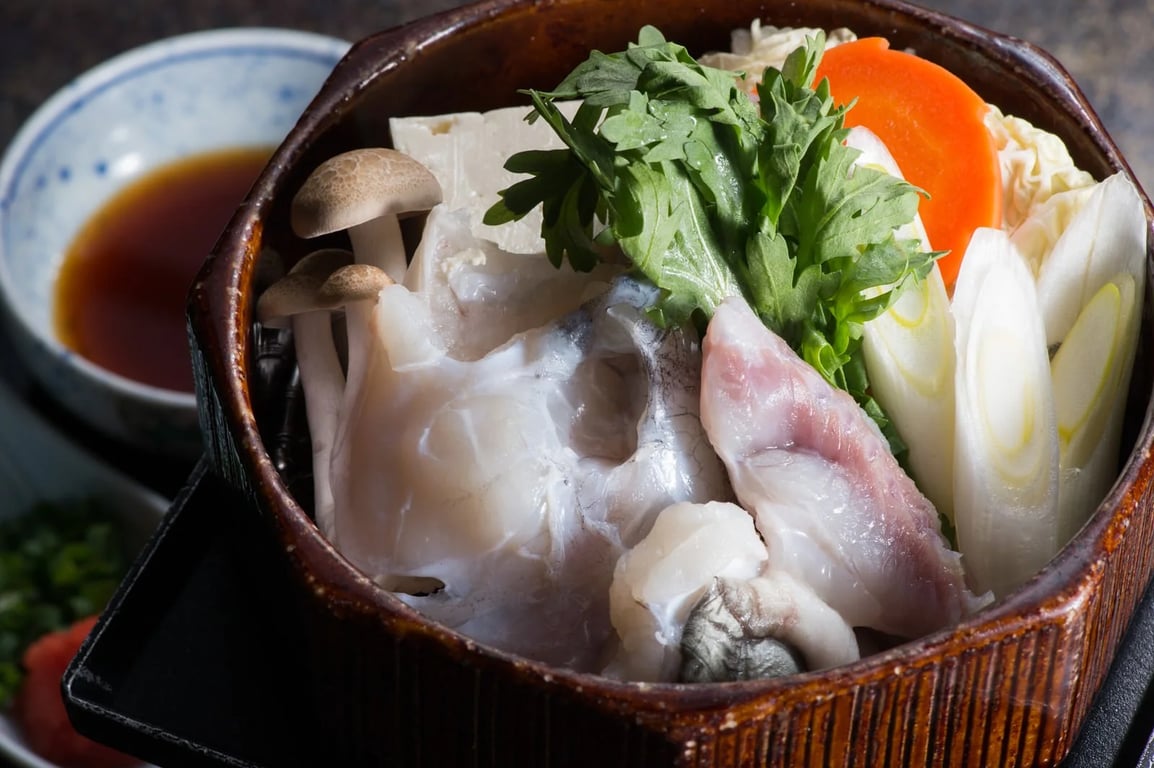


Japan is a country that continues to fascinate foodies from all over the world. In addition to globally popular dishes such as sushi, tempura, and ramen, the country is also home to the ultimate delicacy that requires knowledge, skill, and a deep respect to be enjoyed: fugu.

In Japan, it has long been called "fugu," and in some regions it has also been called "teppo" (or "tetsu" for short) because of its deadly poison. It is so delicious that one would literally risk one's life for it, and it is truly a "thrilling and moving taste" that comes hand in hand with the deadly poison. But rest assured. In modern Japan, thanks to strict legal regulations and the exceptional skills of nationally certified "fugu chefs," fugu is served as one of the safest delicacies in the world.
In this article, we will take you to Shimonoseki in Yamaguchi Prefecture, the home of fugu cuisine and the center of fugu culture in Japan. We will introduce the appeal of authentic fugu, which can only be enjoyed in Shimonoseki, along with its history, safety, and unforgettable flavor.
Why is Shimonoseki, out of all the cities in Japan, known as the "home of pufferfish"?
In the past, there were many cases of food poisoning caused by pufferfish in Japan, and during the time of Toyotomi Hideyoshi, a ban on eating pufferfish was issued. However, Shimonoseki, surrounded by the rich fishing grounds of the Sea of Japan, the Seto Inland Sea, and the Genkai Sea, has long been a place where many pufferfish gather.
History and brand: market pioneer
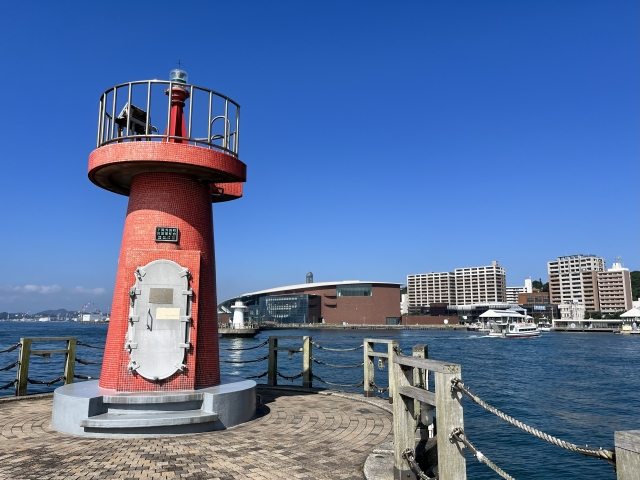
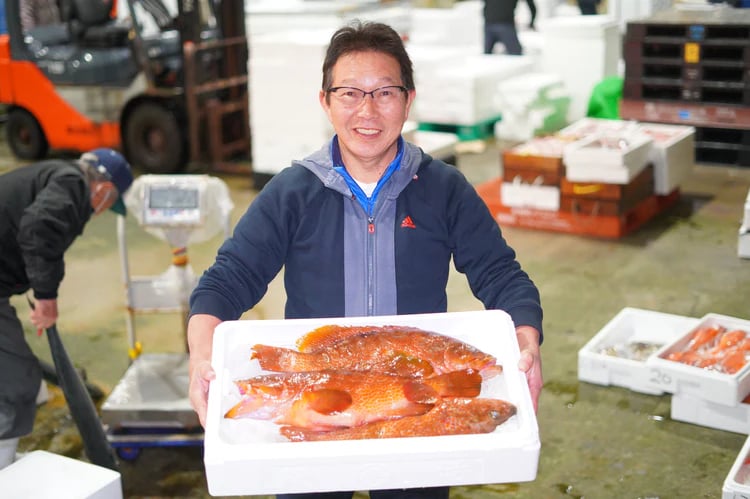
Shimonoseki's Haedomari Market is the very center of the fugu trade, accounting for approximately 80% of Japan's fugu trade. High-quality fugu, including wild tiger pufferfish, are gathered here from all over the country and traded using a unique traditional method called "Fukuro-Zeri." This strict quality control and the brand power backed by a long history underpin the reliability of Shimonoseki-produced fugu.
Furthermore, Shimonoseki was the first place in Japan to lift the ban on eating fugu. There is an anecdote that during the Meiji period, Hirobumi Ito (the first Prime Minister of Japan) ate fugu at a restaurant in Shimonoseki and was so impressed by its deliciousness that he granted special permission to eat fugu in Yamaguchi Prefecture. This historical background has made Shimonoseki a pioneer of fugu culture.
Of all the pufferfish sold in Shimonoseki, the "natural tiger pufferfish" is considered to be the highest quality. The waters off the coast of Shimonoseki, namely the waters around the Kanmon Straits, have fast currents and are the perfect environment for raising firm, flavorful pufferfish. Taking advantage of this geographical advantage, the pufferfish caught by skilled fishermen are processed using a special technique called "ikijime" to maintain freshness, and are delivered to the market in the best condition.
Did you know that in Shimonoseki, fugu is pronounced "fuku" without any muted pronunciation? "Fuku" means good fortune, so it is considered an auspicious food. It is not only delicious, but is also loved by people as a food that brings happiness.
The most important factor in fugu cuisine is its safety.
Tetrodotoxin (TTX), a toxin found in pufferfish, is a deadly poison said to be 1,000 times more potent than potassium cyanide. This poison is concentrated in the liver and ovaries of pufferfish, and if these are not removed properly, it can be life-threatening.
1. National qualification barriers and skills
In Japan, only those who have obtained a "Fugu Chef License" issued by the prefecture are allowed to cook and serve fugu. To obtain this license, chefs must pass a very rigorous examination, including knowledge of the ecology of fugu and the parts that contain the poison, as well as a practical test to remove the poison. The technique is truly "artisanal," and the way the fugu is prepared is precise and delicate, almost like surgery.
At Shimonoseki's fugu restaurants, these licensed chefs carefully prepare each and every fugu every day, bringing decades of experience and pride to the process. Thanks to them, we can enjoy this wonderful delicacy with complete peace of mind.
2. The sense of security that only Shimonoseki can provide
All restaurants that serve pufferfish display the certificate of a pufferfish chef. The wisdom that this country has cultivated over centuries and a modern scientific management system guarantee the complete safety of pufferfish dishes. Any fears that foreign tourists may have about "poison" are transformed into "peace of mind" and "trust" in Shimonoseki.
An unforgettable full course of puffer fish dishes
If you visit Shimonoseki, be sure to enjoy a full course of puffer fish dishes. Its delicate flavors will overturn your common sense of food.
1. Thinly sliced sashimi (Tessa): Artistic presentation
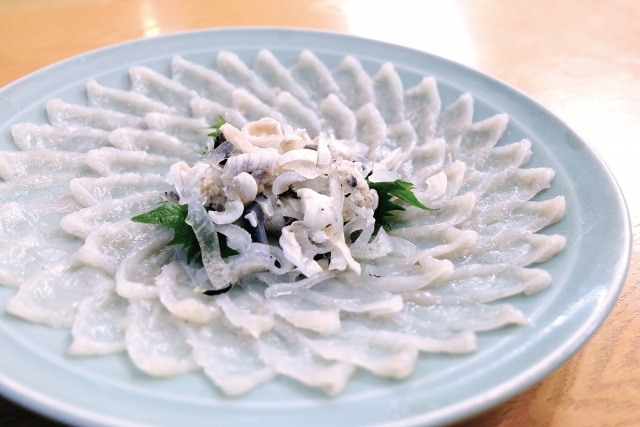
Thinly sliced pufferfish meat, known as "tessa" or "fugu sashimi," is synonymous with fugu cuisine. Fugu meat is very elastic, and if it were sliced thickly like regular fish sashimi, it would be too tough. Therefore, it is sliced so thinly that the pattern on the plate on the other side can be seen through it. This thinly sliced meat, which shows off skilled techniques, is beautifully presented in artistic patterns such as chrysanthemum petals and cranes.
With one bite, you'll be surprised by its firm texture and the refined, refreshing flavor that develops the more you chew it. It is usually eaten with condiments such as ponzu sauce, green onions, and grated momiji (grated maple leaf), which bring out the delicate flavor of the fugu to the fullest.
Please also check out"Yamaguchi Prefecture: Introducing the characteristics and history of the local B-class gourmet food, Fugu Sashimi" ▼▼
https://tenposstar.com/ja/articles/r/1341
2. Hotpot (Techiri): The ultimate winter delight
"Tecchiri" is a hot pot dish in which fillets of pufferfish and boneless parts are simmered with vegetables such as Chinese cabbage, chrysanthemum, and mushrooms. By simmering, the pufferfish flesh becomes softer and develops a deep flavor, and the broth penetrates all the vegetables.
The final dish after the hot pot is "zosui," rice simmered in a broth that is packed with the flavor of pufferfish. Finished with egg and green onion, this zosui is the highlight of pufferfish cuisine and can be said to be the perfect example of the "ichiju-tansai" (one soup, many side dishes) concept in Japanese food culture.
Please also check out"What is Osaka's local B-class gourmet food "Tetchiri"? Introducing its characteristics and history!" ▼▼
https://tenposstar.com/ja/articles/r/2192
3. Other Fugu Dishes
Fried pufferfish bones (karaage): These are crispy fried pufferfish bones that separate easily, allowing you to enjoy the deep flavor of the bones.
Shirako: The testicles of male pufferfish. Particularly in season in winter, this rich delicacy is also known as the "foie gras of the sea." When grilled, it melts in your mouth with a creamy, sweet flavor.
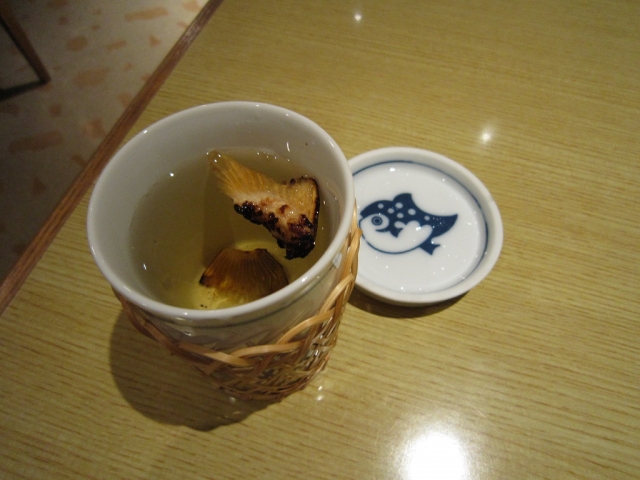
Fin sake: Dried pufferfish fins are added to hot sake. The fragrant flavor and umami of the pufferfish are transferred to the sake, warming you from the inside out during the cold season.
Shimonoseki is not just famous for its fugu, but also for its many other attractive tourist attractions. After enjoying your fill of fugu cuisine, why not take a stroll around this historic city?
Karato Market: A lively market where you can enjoy fresh seafood and easy-to-prepare puffer fish dishes.
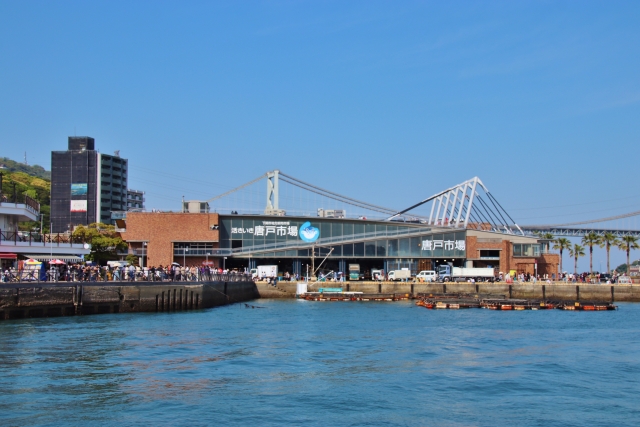
Kanmon Strait: This strait separates Honshu and Kyushu, and the spectacular views of the magnificent currents and beautiful bridge (Kanmon Bridge) are a sight to behold.
Akama Jingu: A beautiful vermilion shrine known as the setting for the tragedy of the Tale of the Heike.
Location of Yamaguchi Prefecture

Fugu cuisine is more than just a meal: it is a cultural experience that combines Japan's advanced cooking techniques, strict safety management, and a deep appreciation for the bounty of nature.
For those of you with an interest in Japan, we recommend you visit Shimonoseki, the home of fugu. Fugu cuisine, which brings thrills, excitement, and blissful pleasure in a safe environment, is sure to become one of the most unforgettable memories of your trip to Japan.
Eat Shimonoseki pufferfish, which brings good fortune, and bring more good fortune into your life!
![[Yamaguchi Prefecture] Explaining the characteristics and appeal of the local B-class gourmet food "Kawara Soba"](https://imagedelivery.net/0Xfr734EZhL-f9btSNh4FQ/uploads/article/01JWYQH26D5ZYW7QXTAFQA7MVP.jpg/public)
![[Yamaguchi Prefecture] Introducing local B-class gourmet food!](https://imagedelivery.net/0Xfr734EZhL-f9btSNh4FQ/uploads/article/01JWX8HRJQSMNFQJWFGB44Z397.jpg/public)