

The Japanese autumn table is filled with ingredients that are not only delicious but also packed with our culture and wishes. Among them is a root vegetable that may look plain at first glance, but which has a deep meaning and unique charm: lotus root.
Lotus root is the underground stem of the beautiful lotus flower, and is characterized by its pleasantly crunchy texture and simple sweetness. However, the reason this ingredient is so beloved by the Japanese is because of its "holes." In this article, we will explore the auspicious secrets of lotus root, the diverse ways it can be cooked, and how it is deeply rooted in Japanese food culture, and share its fascinating side with you.

Lotus root is the swollen underground stem of the lotus plant, a symbol of Buddhism. The lotus grows its stem straight out of the mud and produces beautiful, pure flowers on the surface of the water. This "lotus in the mud" image has a spiritual significance of maintaining purity even in difficult situations, and has been considered a special plant in Japanese and other Asian cultures.
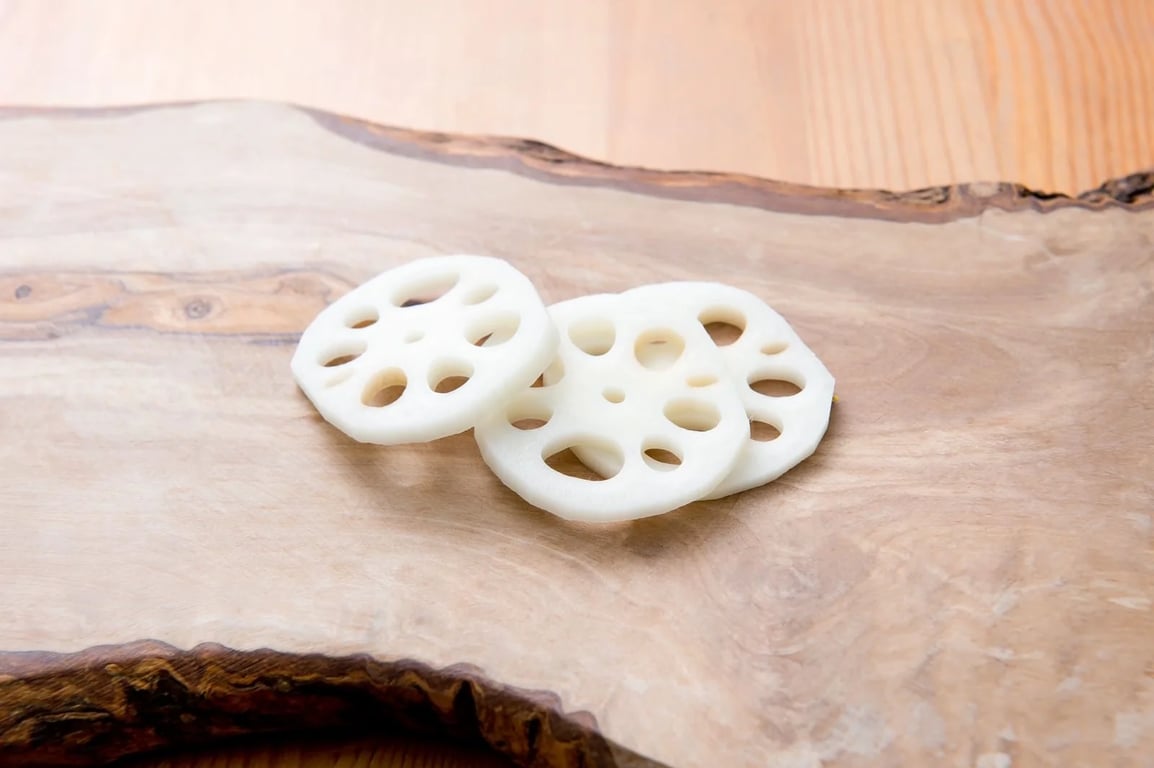
The lotus root we eat is harvested from autumn to winter. When dug up from the ground, the lotus root is covered in mud on the outside, but when you peel it off, the inside is pure white. What is most distinctive about it are the many "holes" in the center and around the periphery. These holes are the air passages that allow the lotus to breathe underwater.
These holes in the lotus root are the key to establishing its status as a lucky charm, going beyond being a mere food ingredient.
Why is lotus root considered a lucky charm in Japan? The answer lies in its unique structure.
The desire for good prospects
If you cut a lotus root, you will see a hole that allows you to see all the way to the other side. Since ancient times, Japanese people have seen this hole as a symbol of being able to see into the future and having a bright outlook.
At New Year's Day, lotus root is always included in osechi cuisine, with the hope of happiness and prosperity in the coming year. This is because it contains a sincere and positive wish for good prospects for family and work.
In this way, lotus root is not just a delicious vegetable, but also serves as a cultural symbol that represents people's hopes and expectations for the future.
Strength grows in the mud
The lotus root, which grows in the mud and yet bears pure, white fruit, is also connected to the uniquely Japanese spirituality of "living purely and strongly without giving in to adversity." The lotus root, which combines strength and purity that cannot be imagined from its appearance, is also an entity that gives us quiet courage.
Lotus root, with its flavor and unique texture, is used in a variety of Japanese dishes. Especially during the autumn harvest season, many dishes are created to fully enjoy the deliciousness of lotus root.
Kinpira lotus root
This is the most popular home-cooked dish. It is made by slicing lotus root into thin strips and stir-frying it with soy sauce, sugar, mirin, chili peppers, and other ingredients to create a sweet and spicy dish. Its crisp, satisfying texture and rich, sweet and spicy flavor go well with rice and alcohol. It can be said to be one of the soul foods of the Japanese people.
Chikuzenni
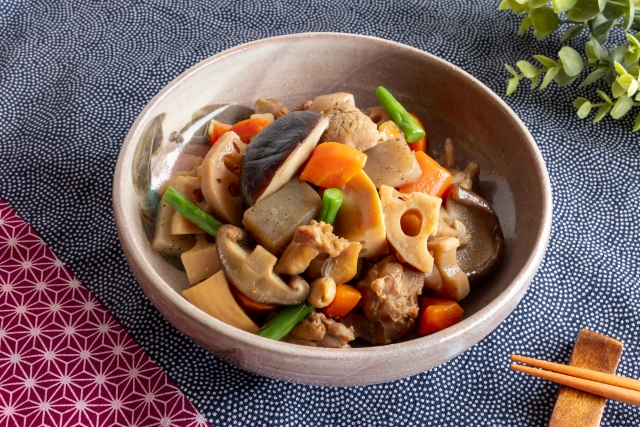
This dish is made by slowly simmering chicken and root vegetables such as lotus root, carrot, taro, and burdock in soy sauce and dashi. The umami flavors of each ingredient blend together to create a deep, rich flavor. Lotus root retains its crispness even when simmered, so you can enjoy the contrast in texture with the other ingredients.
3. Lotus root tempura

Kushikatsu Hyappon Lotus Root Kushikatsuhttps ://tenposstar.com/ja/merchant/675289e892ccc
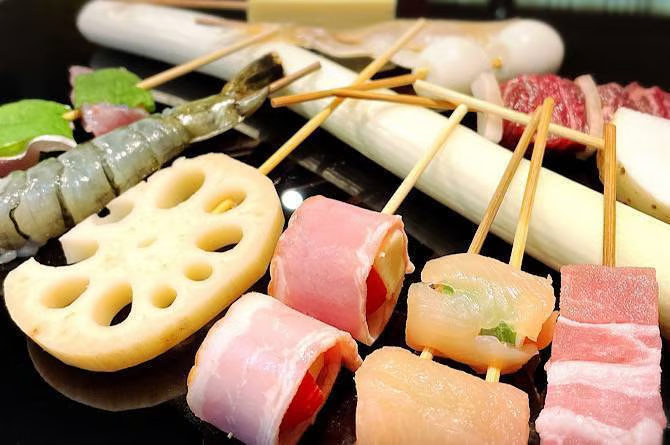
Private Room Kushiage Emimori Specialty! Lotus Roothttps ://tenposstar.com/ja/merchant/64ec2687e75d7
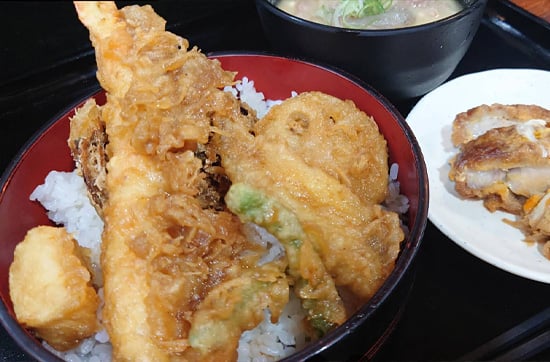
Lotus root is sliced into rings, coated in batter, and deep-fried until crispy. Deep-frying brings out the sweetness of the lotus root, resulting in a crispy outside and a fluffy texture inside. It can be eaten simply with salt or with sauce.
4. Mustard lotus root

Mukochan Spicy Lotus Roothttps ://tenposstar.com/ja/merchant/656ece7f2cb5e
This is a very unique local dish that originated in Kumamoto Prefecture in Kyushu. The holes in lotus root are tightly stuffed with a special paste made from Japanese mustard (wagarashi) and miso paste, then coated in batter and deep-fried. The spiciness and the sweetness of the lotus root create an exquisite contrast, making it extremely popular as a snack with alcohol or as a side dish with rice. Made using traditional methods that have been passed down since the Edo period, it is a dish that allows you to experience the rich regional flavors of Japan's food culture.
5. Lotus root chips
It is made by thinly slicing lotus root and deep frying it until it is crispy. It can be eaten like potato chips, but it has the unique aroma and beautiful mesh pattern of lotus root. It can be enjoyed with a variety of flavors, including salt, curry, and green laver.
Lotus root reflects Japan's commitment to texture
Japanese cuisine is characterized by placing great importance not only on taste and appearance, but also on texture. Lotus root, with its diverse textures, occupies a unique place in Japanese food culture.
"Crunchy" when raw or lightly fried
"Crispy" and "crispy" when fried
When grated and steamed, it becomes "chewy" and "sticky."
The reason we can create such a variety of textures using just lotus root is because of our commitment to our cooking methods. We consider how the texture of the lotus root will add an accent to the balance of the entire dish. This delicate sense of food is one of the attractions of Japanese food culture.
Lotus root is the hidden star of Japan's "autumn appetite" and is an auspicious item that conveys the positive message of "good visibility."
The way it grows in the mud and yet bears pure fruit represents the Japanese spirit of overcoming adversity to carve out a new future. And the cooking methods that produce a variety of textures from a single vegetable, such as crunchy, crispy, and chewy, speak to Japan's delicate food culture and ingenuity.
If you visit Japan, be sure to look for lotus root in a supermarket or restaurant. When you peer into the hole in the root, you'll surely find hope for your own future, Japan's rich history and culture, and the Japanese spirit of hospitality.