

When you think of "breathtaking views" when traveling in Japan, you might imagine majestic mountains and historic temples and shrines. But what if you could encounter a fantastical landscape where the entire vast land sparkles in gold, in a place that is easily accessible to everyone?
This is Sengokuhara Plateau, located in Hakone, a city known as an international resort area.
In this article, we'll take a closer look at the stunning views of the Japanese pampas grass of the Sengokuhara Plateau that captivate visitors, the hot spring culture that this area, located close to Tokyo, boasts, and the appeal of Hakone cuisine, a bounty of the mountains and lakes. Discover the depths of autumn travel in Japan at this place.

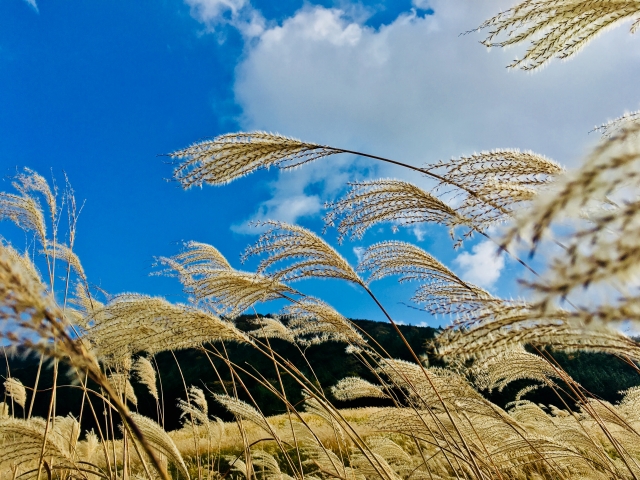
Sengokuhara Plateau is a gently sloping plateau located on the crater basin of Mount Hakone. In autumn, this vast grassland is transformed into a breathtakingly beautiful landscape as tall Japanese pampas grass changes color all at once.
Best time to see Japanese pampas grass: the best season for golden color

The most beautiful time for the Japanese pampas grass on the Sengokuhara Plateau is usually from late September to early November.
Late September : The ears of silver grass begin to appear little by little, and the entire grassland takes on a silvery hue, creating a refreshing landscape.
Mid- October to early November (best season): When the silver grass heads fully open and bathed in sunlight, the entire grassland shines a dazzling golden color. When the wind blows, the silver grass heads flutter all at once, creating a magnificent sight that looks like a "golden wave" rushing in.
Sunset and Japanese pampas grass : Especially at dusk, the sun's orange light illuminates the Japanese pampas grass, turning it an even deeper gold. This magic hour is the perfect time to take pictures, attracting many photographers and tourists.
A culture of exploration and preservation
There is a well-maintained walking path in the pampas grass of Sengokuhara Plateau. By walking along this path, you can reach the center of the sea of pampas grass.
Experience nature with all five senses : As you walk along the promenade, listen to the rustling sound of the pampas grass stalks rustling in the wind, and take a deep breath of the crisp autumn air, it's a time to "cleanse your soul" and completely escape the hustle and bustle of the city.
The tradition of burning the mountain : This beautiful pampas grassland is not left to nature alone. In the spring, local people carry out a traditional activity called "yamayaki," in which they burn the grassland's weeds and dead pampas grass. This is a Japanese landscape that is protected by the wisdom and efforts of local people to help the pampas grass grow and maintain the beautiful, single grassland.
Sengokuhara Plateau is located in Hakone, a world-famous hot spring resort. After enjoying a stroll through the spectacular scenery, you can enjoy Hakone's rich culture, represented by its hot springs and art museums.
Sengokuhara Onsen: Relieve your travel fatigue
The Sengokuhara area is also home to high-quality hot springs. The hot springs in Sengokuhara are characterized by their cloudy water (white or milky white in color) that originates from the nearby Owakudani.
・Water quality and effects : Sengokuhara Onsen is generally a "sulfur spring" or "calcium-magnesium sulfate-bicarbonate spring," and is said to have antibacterial and skin-beautifying properties. When you soak in the bath, you can smell the faint scent of sulfur, and you will feel as if you are surrounded by the energy of nature.
・Open-air baths : Many hot spring inns are equipped with open-air baths where you can enjoy the natural scenery. Soaking in a hot spring while gazing at the starry sky at night and feeling the clear air in the morning is the ultimate relaxation experience on a trip to Japan.
Contemporary Art Meets Nature: Hakone Museum
Hakone is known not only for its hot springs but also for its many beautiful art museums. Around Sengokuhara Plateau, there are spots where you can enjoy both natural scenery and art.
Hakone Glass Forest Museum : This museum houses a collection of glass artefacts from around the world, including Venetian glass. In particular, the way the glass objects in the garden reflect and sparkle with light creates an artificial beauty that is different from the golden colour of the Japanese pampas grass.
Hakone Lalique Museum : This museum exhibits the works of French jewelry designer René Lalique. Located amidst beautiful nature, the museum offers a chance to appreciate the delicate artworks, adding a touch of elegance to Japan's "Autumn of Art."
After relaxing your body and mind with a stroll through the Sengokuhara Plateau and a soak in the hot springs, enjoy the delicious cuisine that only Hakone can offer. Hakone is a place where a wide variety of ingredients come together thanks to its convenient location between the mountains, lakes, and Tokyo.
Smelt, a blessing from Lake Ashi
Lake Ashi, one of the symbols of Hakone, is a treasure trove of delicious freshwater fish.
・Smelt fishing : Autumn is the season for smelt, a small fish with a refined taste, caught in Lake Ashi.
Recommended way to eat : The most common way to enjoy it is as smelt tempura. The crispy batter, fluffy flesh, and concentrated umami of the fish are simply enjoyed with salt or tempura sauce, allowing you to fully experience the blessings of the lake.
We recommend enjoying it at a restaurant on the shores of Lake Ashi while taking in the lake view.
Hakone's specialty "black eggs" and mountain delicacies
Near Sengokuhara is Owakudani, where you can feel the energy of the Hakone volcano. A local specialty that comes from this geothermal area is the black eggs.
・Black eggs : These are ordinary boiled eggs whose shells have turned pitch black due to the sulfur content of the hot springs. It is said that eating these black eggs will extend your lifespan, making them a unique gourmet experience that you should definitely try if you visit Hakone.
・Mountain delicacies : In autumn, fresh mountain vegetables and mushrooms are harvested in abundance around Sengokuhara. Local inns and restaurants serve kamameshi (rice cooked in a pot) and miso soup made with these ingredients.
Hakone Bakery: Your travel companion
Hakone has a long history of welcoming many foreign tourists, and has a well-developed culture of Western sweets and bread.
・Hakone Bread : Popular local places like Hakone Bakery sell bread made with hot spring water and sandwiches made with local ingredients. We recommend eating it on a hike or for breakfast.
Recommended shops in Hakone
Ochanoma Sake Bar MONTA (Monta) Seared Chicken Breast https://tenposstar.com/ja/merchant/65c44c8396783

Tamuya, a barley and grated yam specialty restaurant, barley and grated yam set meal
https://tenposstar.com/ja/merchant/6515116210f9d
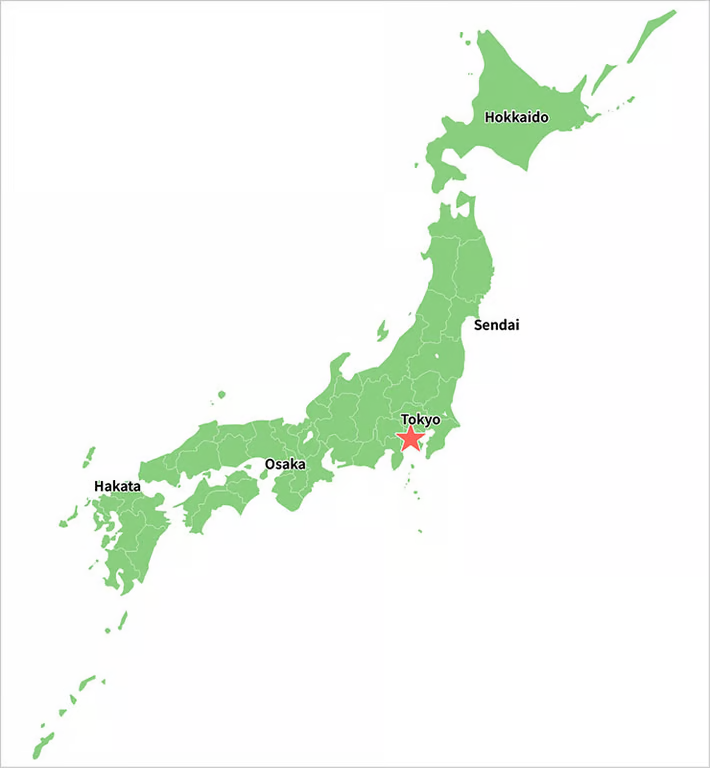
Location of Kanagawa Prefecture

A trip to Hakone and the Japanese pampas grass of the Sengokuhara Plateau will give you a sense of the grandeur of Japan's nature, its sophisticated culture, and the diversity of its rich food culture.
Let your soul be cleansed by the sea of shining golden silver grass, soothe your fatigue in the hot springs, and savor the bounty of the lake and the mountains.
Just a few hours from Tokyo, this unique place blends traditional Japanese beauty with the allure of an international resort. Come visit Sengokuhara Highlands this autumn and create unforgettable memories of Japan's golden autumn.
[Kanagawa Prefecture] The history of the local B- class gourmet food "Shonan Shirasu"
Please check it out ▼▼

![[Kanagawa Prefecture] Introducing the history and characteristics of the local B-class gourmet food "Shumai"](https://imagedelivery.net/0Xfr734EZhL-f9btSNh4FQ/uploads/article/01JWYS9QJHHYSND21HZXQ9Y9K0.jpg/public)