

We recently recommended in this column " Enjoy medicinal cuisine ♪ INAKA Experience - Your first meditation experience ."
( https://www.tenposstar.com/blog/food-experience/2017/ )
Although we may seem to understand things like medicinal herbs and meditation, our knowledge is vague, and we might be at a loss when asked to explain it.
When you hear the word "medicinal cuisine," you might imagine something spicy or bitter, with a unique, unfamiliar smell, and something that tastes like medicine, as the name suggests. But have you ever tried eating something like "medicinal cuisine hotpot" and found that it turned out to be quite delicious?
Does the fact that it contains the character "medicine" have anything to do with medicine?
Western medicine is based on scientific evidence (data from medical examinations, interviews, X-rays, blood, urine, stool, etc.) to identify possible diseases and treat them with medicine or surgical removal. Most of the medicines prescribed in modern medicine are artificially made through chemical synthesis, and have a strong and immediate effect on diseases and symptoms.
Western medicine also uses techniques such as interviewing the patient, using a stethoscope, and touching the stomach or affected area, but Eastern medicine makes a diagnosis based on experience, such as observing the patient's complexion, movements, the condition of their nails and tongue, and listening to their pronunciation and responses.
The treatment for this diagnosis is a traditional medicine that was developed mainly in China and uses methods such as massage, shiatsu, acupuncture, and natural herbal medicines to enhance the body's natural healing powers and return it to its original healthy state.
And Medicinal Food is the dietary therapy of this Oriental medicine. It is a dish that makes the most of the efficacy of each ingredient, and does not use additives or chemical seasonings.
Oriental medicine approaches are not suitable for acute illnesses or infectious diseases with a clear cause, as immediate results are required. However, if you're feeling a bit fatigued, your stomach feels heavy even though you've been checked by a doctor and no problems have been found, or your headaches get worse when a typhoon comes, then you should definitely try incorporating medicinal herbal medicine into your diet!
It starts with looking at the state of your body and determining what effects you should consume of ingredients that will create a neutral body.
And when it comes to changing your constitution, you won't see results after just one meal. It's important to continue taking medicinal foods. Our bodies - our internal organs, blood, skin and cells, skin and hair - are made up of what we ingest. Even if not every day, try incorporating them frequently. Before you know it, you'll feel brighter, lighter, and your skin will be in better condition!
As mentioned above, each food ingredient has its own medicinal properties, and of course there are foods that warm the body and foods that cool the body. These are called the "five elements (or four elements)" and are classified into five categories: cold, cool, neutral, warm, and hot. Cold ingredients are the ones that cool the body the most, and hot ingredients are the ones that warm the body the most.
What's good for the coming cold season? I did a little research.
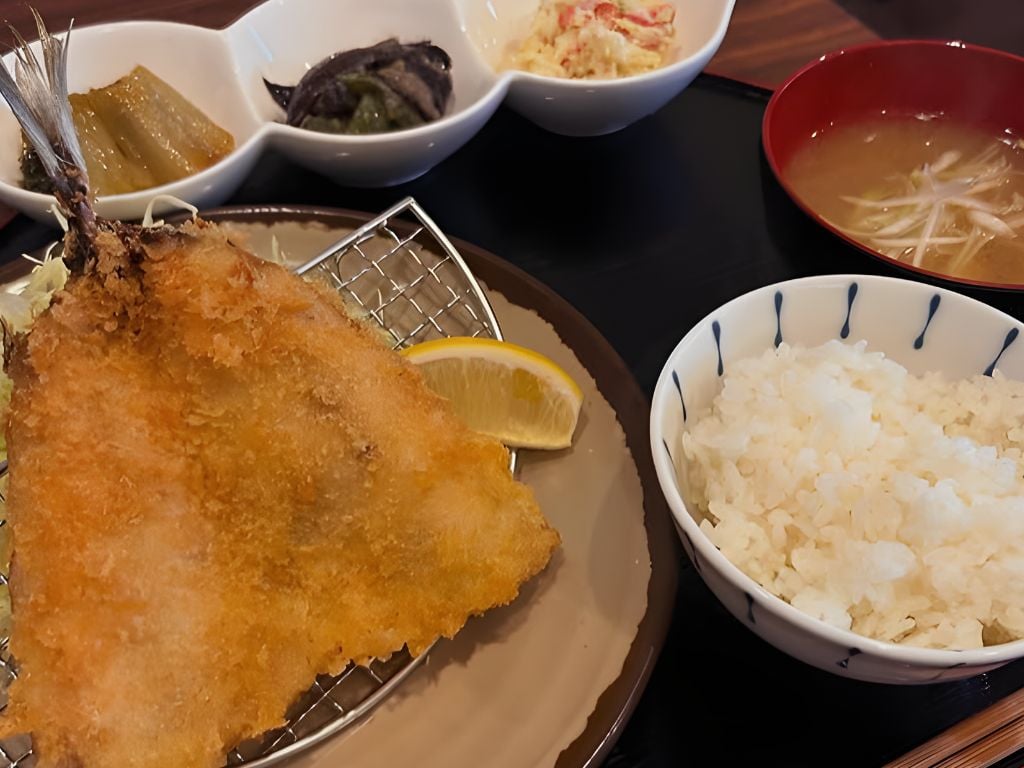
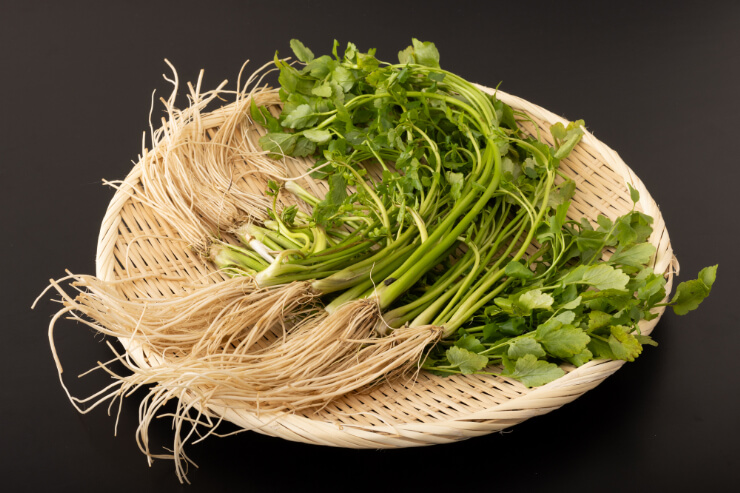
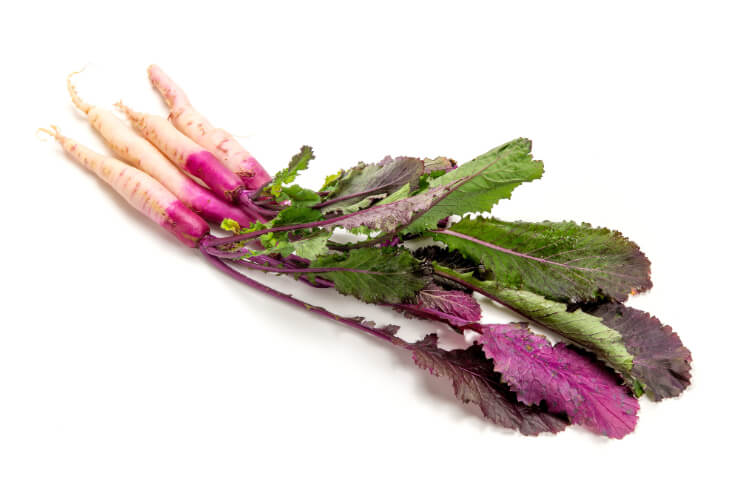
● Vegetables: Ginger, Chinese cabbage, green onions, Chinese chives, Japanese mustard spinach, pumpkin, radish, garlic, carrots, burdock, etc. ● Fish and meat: Horse mackerel, salmon, sardines, yellowtail, tuna, pufferfish, conger eel, eel, mussels, ark shells, shrimp, chicken, lamb, pork liver, etc. ● Spices: Jujube, cinnamon, Japanese pepper, chili pepper, pepper, cloves, etc.
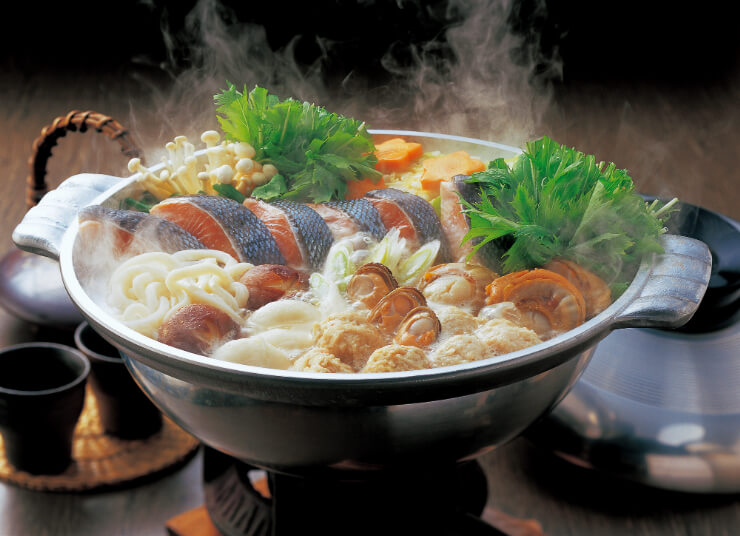
This lineup makes me want to eat hotpot! The foods harvested in cold regions and seasons have a high heat absorption rate, so they warm the body when consumed.
Spicy foods, especially chili peppers, have an immediate effect of making you sweat as soon as you put them in your mouth, but the foods listed here improve blood circulation by increasing your metabolism.
There are several causes of a cold body, including internal causes such as stress or lack of sleep that can disrupt the autonomic nervous system, throw off hormone balance, or sluggish blood flow, as well as environmental causes such as cold hands and feet, where the body tries to store heat in its core by constricting blood vessels to the extremities, controlling blood flow.
Either way, if your body remains cold, your muscles will become stiff, and trying to move those stiff muscles will put strain on your joints and bones, causing pain. Don't overlook the cold in your body and think that it's okay if you just bear with it, but make sure to warm yourself up.
In addition, raising your body temperature will also boost your immunity. Since winter is very dry and you are more susceptible to viral infections, we recommend boosting your immunity through food as well.
From now until the New Year, the season for drinking alcohol will increase. Recommended foods for hangovers include clams, scallops, persimmons, tomatoes, and radishes. Recently, I've been seeing a lot of recipes using persimmons. Why not give them a try?
Author: himiko