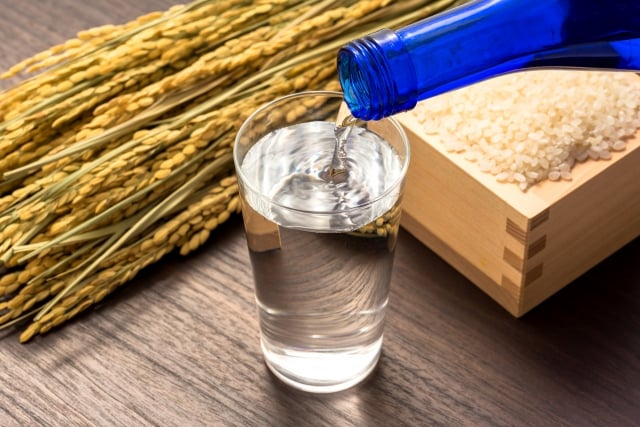


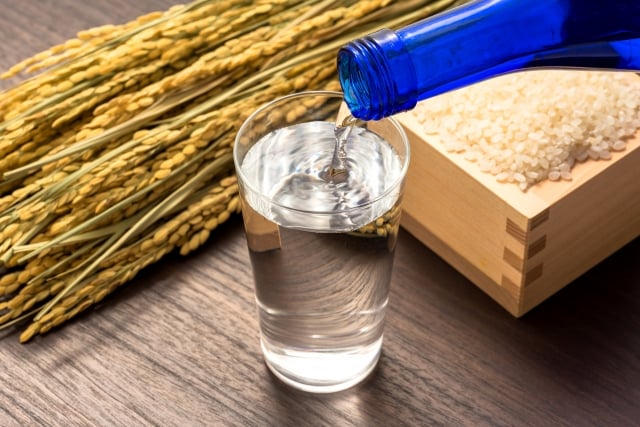
Winter in Japan is a beautiful season with crisp, cold air and a blanket of white scenery. But did you know that this cold weather is also the magic that makes Japan's world-renowned sake taste its best?
January in particular is the climax of sake brewing. A tour of sake breweries through old Japanese towns in search of freshly pressed new sake that can only be tasted at this time of year is the perfect trip to gain a deeper understanding of Japan.
This time, we will introduce the appeal of sake in winter and how to enjoy a tour of sake breweries that even beginners can enjoy.
Although sake can be enjoyed all year round, winter is actually the most important season for it. There are several reasons for this.
A pure taste born from the cold
Brewing sake is a delicate process that involves steaming rice, cultivating koji, and fermenting the rice. In the cold winter months, bacteria are less likely to grow, allowing the sake to ferment slowly and carefully. This low-temperature fermentation produces a fruity, vibrant aroma and a clear, pure taste.
The tradition of winter brewing
Traditionally, brewing sake during the coldest time of the year has been called "kan-zukuri" (cold brewing). January is right in the middle of this period. White steam rises from the sake breweries as the rice steams, and the sweet, refreshing aroma of fermenting rice fills the air around town.
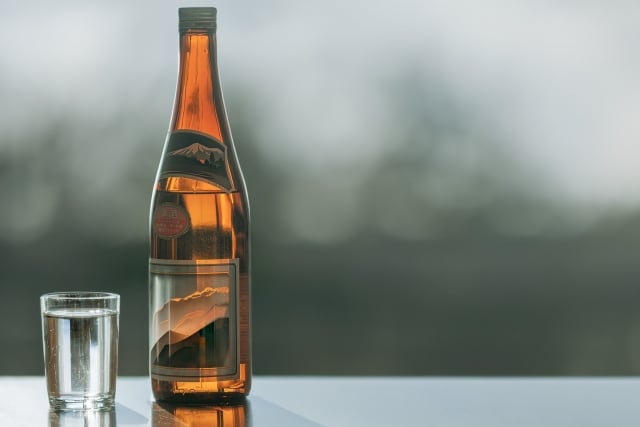
If you're traveling to Japan during this time, there's one word you should definitely remember: freshly squeezed juice.
Newborn freshness
Normally, to stabilize the quality of sake, it is pasteurized by heat, a process known as pasteurization, and then stored for several months before being shipped. However, the freshly pressed sake that will be available in January is bottled as soon as it is made. When you sip it, it has a fresh, fizzy, gassy taste, just like champagne, and the juicy sweetness of the rice spreads throughout your mouth.
Unfiltered raw sake
If you see this long name on a menu, give it a try.
Unfiltered refers to a state in which the rice has not been filtered, resulting in a rich umami flavor.
Raw refers to a fresh, uncooked state.
Genshu is a strong alcoholic drink with no added water.
This is the taste of authentic, live sake that can only be enjoyed at a sake brewery in winter.
Touring sake breweries is not just about drinking sake, it's also an experience that allows you to come into contact with Japanese history, architecture, and the warmth of the people.
Search for a cedar ball
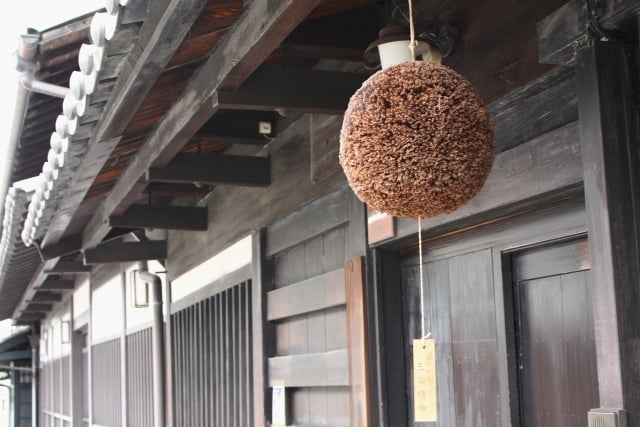
Have you ever seen a large green grass ball hanging under the eaves of a sake brewery? This is called a sugidama. When a new sugidama is hung, it signals that new sake has been made. At first it is bright green, but over time it turns brown. When you find a green sugidama, delicious new sake is waiting for you.
Brewery tour and tasting
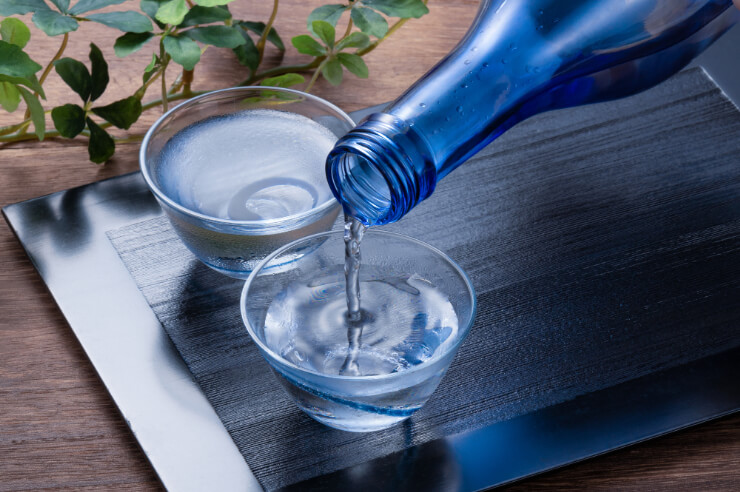
Many sake breweries allow you to tour the inside of their historic buildings. You'll see wooden buildings that are hundreds of years old, large wooden barrels, and the toji brewers working with serious expressions on their faces. After the tour, it's time for the fun part: tasting. You'll compare several types of sake in small sake cups called ochoko, and you'll be amazed at how the taste can change completely depending on the type of rice and the quality of the water.
The appeal of sake is multiplied when enjoyed with food, and it pairs particularly well with winter flavors.
Oden: Radish and eggs soaked in dashi broth. Eating it with hot sake will warm your body and soul.
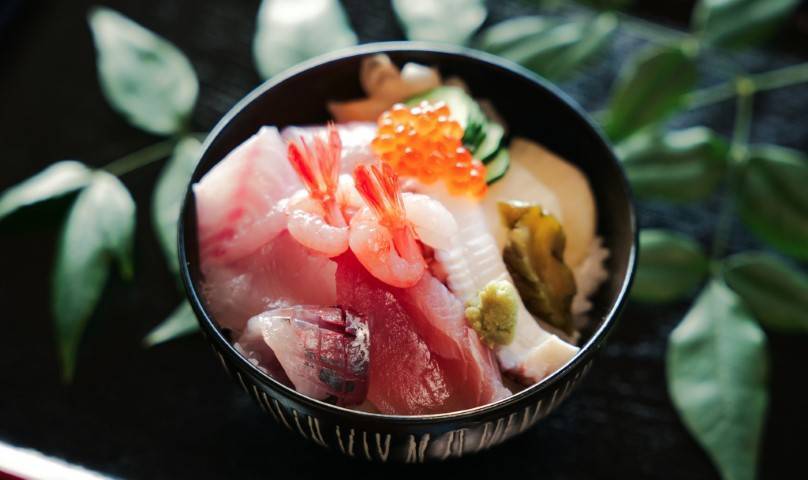
Sashimi: Fatty winter yellowtail or tuna. The crisp, chilled sake brings out the umami of the fish.
Hotpot: Gathering everyone around a hotpot is a winter staple in Japan. The Japanese way is to enjoy conversation and relax over a drink.
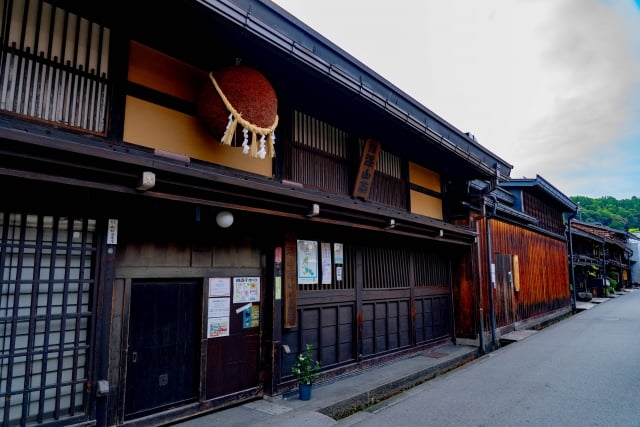
If you're not sure where to go, we recommend these places.
Fushimi, Kyoto: One of Japan's leading sake producing regions. Old sake breweries line the beautiful canals, creating a very atmospheric atmosphere.
Nada, Hyogo: The area that produces the most sake in Japan. There are many museums where you can learn about the history.
Niigata and Nagano: These are areas with heavy snowfall. Drinking alcohol while looking at the snowy scenery is especially beautiful.
The world of sake is a sacred place, so here are some simple rules to help you have a good time.
Wear light perfume: This is a place to enjoy the delicate aroma of sake. It is considered good manners to go without wearing perfume.
Avoid natto: It may be surprising, but the enemy of sake brewing is the natto bacteria. It is considered respectful to sake to not eat natto for breakfast on the day of your tour.
Drink water to help ease your drinking: Drinking the same amount of water as your alcohol will help you avoid getting too drunk and allow you to enjoy the drink to the very end.
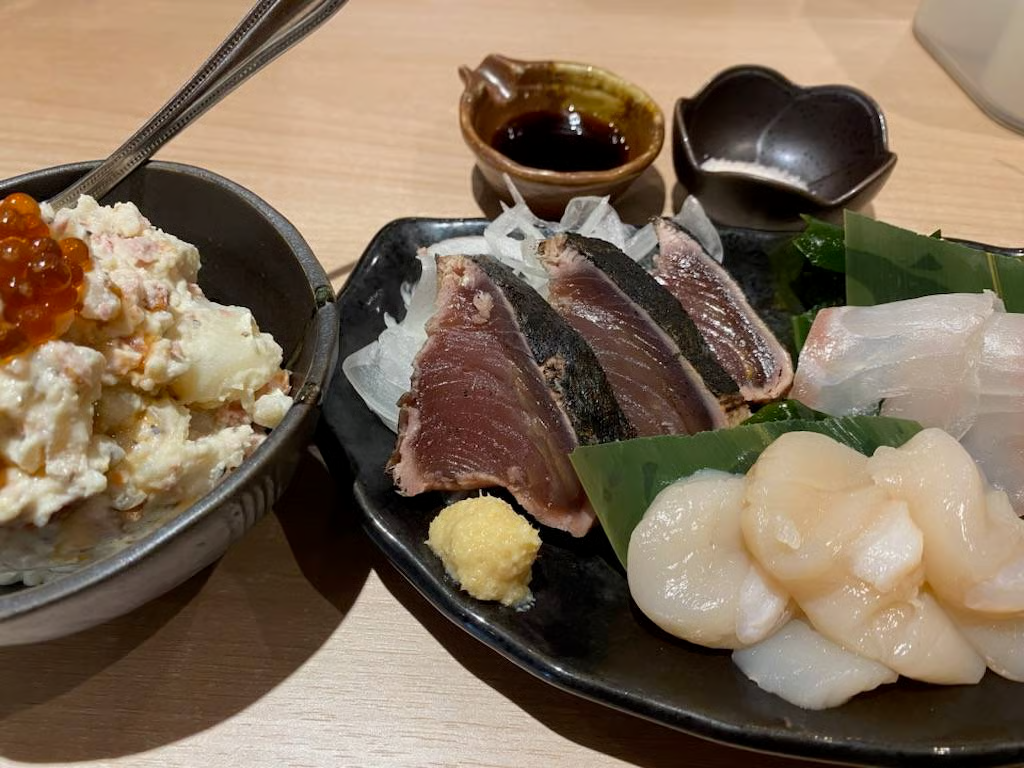
Japanese Sake Genka Sake Brewery Shinjuku Main Store
https://tenposstar.com/ja/merchant/6551a6df9f22c
On a chilly January night, the warm glow of the lanterns draws you through the gates of the sake brewery. The freshly squeezed cup of sake that is served there is a treasure that embodies the bounty of Japan's nature and the passion of the craftsmen.
One sip and you'll be surprised by its fruity aroma, and the warmth it brings down your throat will make you forget the cold. The word "delicious" knows no borders. This winter, why not discover a new side to Japan through the magic of sake?
cheers.
What is Niigata's local B-class gourmet food, "Sake"? Introducing its characteristics and history
https://tenposstar.com/ja/articles/r/1909
Also check this out