

Located in the northernmost part of Japan, Aomori Prefecture is a fascinating place filled with rich nature, history, and a unique culture. One of Aomori's greatest treasures is its food. Oma tuna, caught in Oma Town, a small fishing town on Aomori's Shimokita Peninsula, is also known as the "black diamond" and is considered the ultimate taste sought after by Japanese gourmets.
In this article, we'll explain why Oma tuna is so special, and how a trip to Aomori in search of its ultimate flavor will give you a deeper insight into the fascinating culture and nature of Japan.

Oma tuna is bluefin tuna (hon-maguro) caught by line fishing in the Tsugaru Strait. It is a highly valued tuna that is sometimes traded at surprisingly high prices at the first auction held at Toyosu Market in Tokyo every January.
1. Quality produced by fishing grounds and the environment
The Tsugaru Strait, where Oma tuna grow, is a rare fishing ground in the world where the Pacific Ocean, the Sea of Japan, and cold ocean currents from Russia collide.
Abundant food: Where ocean currents converge, large numbers of fish such as squid, sardines, and saury gather, providing food for tuna. Oma tuna feed on these fish, storing up nutrients and growing plump. Harsh environment: Swimming through the cold waters and fast-flowing Tsugaru Straits firms the tuna's flesh and ensures that it is evenly filled with high-quality fatty tissue (fatty tuna). This exquisite balance is the secret to the deep umami flavor of Oma tuna.
2. The fishing method known as "poles and lines"

In Oma, they stick to the traditional fishing method known as "pollock fishing."
Maintaining quality: Instead of catching large numbers in nets, the tuna are caught one by one with a single fishing line, so they are not harmed. Immediately after being caught, the tuna is properly treated (such as nerve-killing) to maintain its freshness and quality to the fullest. Sustainable fishing: Pole-and-line fishing is also highly regarded as a sustainable fishing method that does not overfish tuna resources. This is in line with traditional Japanese thinking that values harmony with nature.
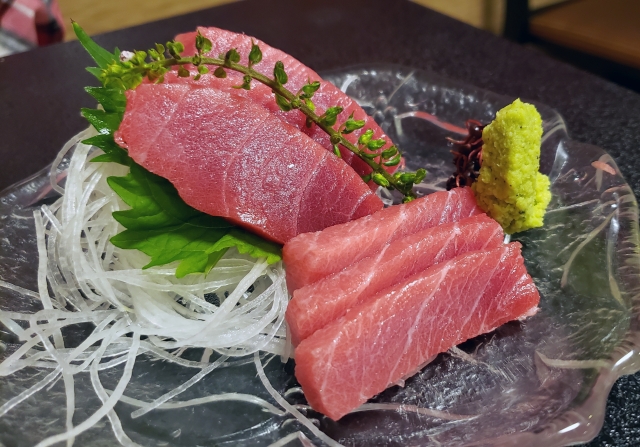
The only way to truly appreciate the charm of Oma tuna is to savor the different flavors of each cut.
1. The deep flavor of red meat
The lean red meat is where the tuna's natural flavor is concentrated. The red meat of Oma tuna is not just "refreshing" in taste; the more you chew it, the more the iron flavor and rich umami spread throughout your mouth, leaving a clean aftertaste. Combined with the aroma of Japanese soy sauce, it is truly an impressively delicious dish.
2. The perfect balance of medium fatty tuna
Chutoro, which is positioned between lean meat and otoro, is said to be the most well-balanced cut, combining the umami of lean meat with the sweetness of fatty tuna. The harmony of the high-quality fat that melts smoothly on the tongue and the acidity of the tuna is truly a moment of bliss. Recommended even for those eating Japanese tuna for the first time.
3. The artistic sweetness of otoro (fatty tuna)
Otoro, located in the belly of the tuna, is the fattiest part of the whole body. The melting point of the fat in Oma tuna's otoro is extremely low, so the moment you put it in your mouth, it melts away with body heat. What remains is an astonishingly elegant sweetness and the flavor of rice. This can be said to be one of Japan's artistic dining experiences.

Oma tuna is caught in small quantities and is very expensive, so eating it in its native land is the ultimate luxury.
1. Omamachi's Bluefin Tuna Direct Sales Store and Restaurant
For ultimate freshness, it's best to go directly to Oma Town.
Tuna bowl: Tuna bowls topped with generously sliced Oma tuna are a standard menu item at authentic restaurants. Restaurants and direct sales outlets near Oma Fishing Port often offer fresh tuna at reasonable prices depending on the catch. Tuna filleting shows: During the tourist season, tuna filleting shows are sometimes held, allowing you to experience the knife skills of Japanese craftsmen and the passion of tuna culture up close.
2. High-end sushi restaurants in Aomori and Hirosaki
Even if you're far from Oma, there's a high chance that high-end sushi restaurants in Aomori Prefecture will serve fresh Oma tuna. Thanks to the sushi chef's skill, you can enjoy nigiri sushi that brings out the best in the tuna. Sitting at the counter and enjoying conversation with the chef while eating sushi is a true Japanese cultural experience.
A trip to Oma tuna is also a journey to experience the magnificent nature and culture of Aomori Prefecture.
Spectacular views of the Tsugaru Strait and the northernmost point of Honshu
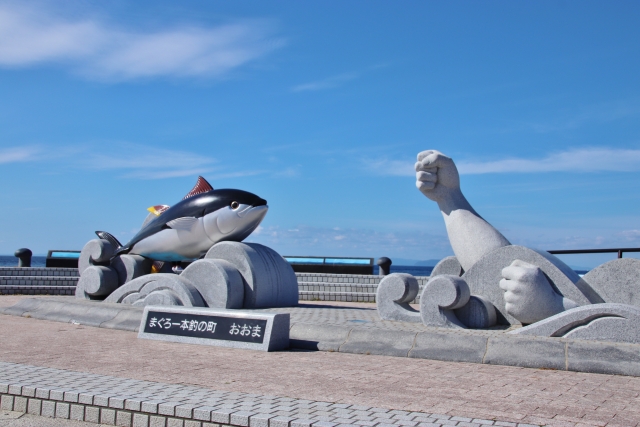
Oma Town is located at the northernmost tip of Honshu. On a clear day, you can see the mountains of Hokkaido across the Tsugaru Strait. Taking a commemorative photo at the Omazaki monument is a must. The magnificent view of the Tsugaru Strait, where the ocean currents collide violently, from this spot will be a lasting memory of your trip.
2. Shimokita Peninsula: A place where history and tradition live on
The Shimokita Peninsula, where Oma Town is located, has a unique natural landscape characterized by deep forests and strangely shaped rocks.
Mount Osore: Mount Osore, considered one of Japan's three most sacred sites, is known for its distinctive sulfurous smell and desolate landscape, offering an opportunity to reflect deeply on Japan's view of life and death and Buddhist faith.Hotokegaura: Hotokegaura, a series of strangely shaped white rocks created by sea erosion, is a breathtaking sight known as "the world where Buddha lives."
3. Aomori's Festival Culture and Nebuta

If you are lucky enough to visit Aomori in the summer, you can experience the Aomori Nebuta Festival, one of Japan's most exciting festivals. Watch as giant floats of warrior dolls parade through the streets, and you will be overwhelmed by the power of traditional Japanese culture and the energy of the people.
Please also check out "A Guide to Exquisite B-Class Gourmet Foods that Light Up the Night of the Aomori Nebuta Festival"
https://tenposstar.com/ja/articles/r/3804
To make your tuna trip in Aomori even more enjoyable, here are some tips about Japanese food culture.
Best time of year: Oma tuna is generally in season from autumn to winter (especially September to December). Planning your trip for this time will increase your chances of tasting the ultimate fatty tuna.
Wasabi and soy sauce: When eating sushi or sashimi, wasabi and soy sauce are essential to bring out the deliciousness of tuna. Wasabi is a traditional Japanese spice that enhances flavor and masks the fishy smell. However, the correct Japanese way to eat tuna is to not dissolve too much wasabi in the soy sauce, but to place a small amount on top of the tuna before dipping it in the soy sauce.
Attention to detail in rice: The rice used in tuna bowls and sushi is made from rice carefully grown by Japanese farmers. Enjoying the harmony between the umami of the tuna and the sweetness of Japanese rice is an important part of the taste experience.
Location of Aomori Prefecture


Super-Fresh Fish Sushi Haneda Market Oma Tunahttps ://tenposstar.com/ja/merchant/65dd3d1187e52
A trip to Aomori in search of Oma tuna is more than just a chance to eat delicious fish. It's a journey that allows you to experience the rugged nature of the Tsugaru Strait, a commitment to sustainable fishing, and the deep respect and artisanal skills of Japanese food.
We hope you will experience the profound charm of Japan through this ultimate tasting experience, and that a slice of Oma tuna will be the highlight of your trip to Japan.